
How do we choose between a joint revocable trust and a will with a trust created at death for our children? – North Carolina
Short Answer
In North Carolina, a joint revocable trust is often used to manage assets during life and to reduce what must go through probate at death, but it only works well if assets are actually transferred into the trust. A will with a trust created at death (a testamentary trust) can still protect minor children’s inheritances, but it typically relies on the probate process to get assets into that trust. For many married couples with young children, the practical choice turns on (1) how much probate avoidance and privacy matter and (2) whether the couple is willing to do the “funding” work a living trust requires.
Understanding the Problem
In North Carolina estate planning for a married couple with minor children, the decision usually comes down to one question: should the plan use a joint revocable trust now, or should it rely on wills that create a children’s trust only after death? The core issue is how property gets to the children’s trust and who has authority to manage it if a parent dies while the children are still minors. The choice also affects which court office becomes involved after death and how quickly a trustee can step in to manage money for the children.
Apply the Law
North Carolina allows property to pass at death under a will, and it also allows a will to “pour” assets into a trust that exists now or is created at death (often called a pour-over approach). A will must be probated through the Clerk of Superior Court (Estate Division) to be effective to pass title, and North Carolina law sets important timing rules that can affect third parties if a will is not offered for probate. Separately, when minor children are involved, North Carolina law also permits parents to recommend a guardian in a will, and the clerk generally treats that recommendation as an important guide when appointing a guardian.
Key Requirements
- A working transfer path: The plan must clearly say who receives assets at the second death and how those assets get into a structure that can hold and manage money for minor children (either a trust created now or a trust created under the will).
- Fiduciary roles are named: The documents should name the people who will act (executor/personal representative under a will; trustee/successor trustee under a trust) and provide practical powers to pay expenses and manage property for children.
- Minor-child protection is built in: The plan should avoid direct distributions to minors and instead route assets into a trust or another court-recognized arrangement so an adult can manage funds for the children’s health, education, support, and maintenance.
What the Statutes Say
- N.C. Gen. Stat. § 31-47 (Testamentary additions to trusts) – Allows a will to devise property to a trust that exists before death or to a trust to be established at death if properly identified and documented.
- N.C. Gen. Stat. § 31-39 (Probate necessary to pass title; timing limits) – States that a duly probated will is effective to pass title and includes timing rules that can matter if a will is not offered for probate.
- N.C. Gen. Stat. § 35A-1225 (Testamentary recommendation of guardian) – Permits a parent to recommend a guardian for minor children in a will and explains how the clerk considers that recommendation.
- N.C. Gen. Stat. § 31-11.6 (Self-proved wills) – Provides a method to make a will “self-proved,” which can streamline probate by using sworn statements rather than live witness testimony.
Analysis
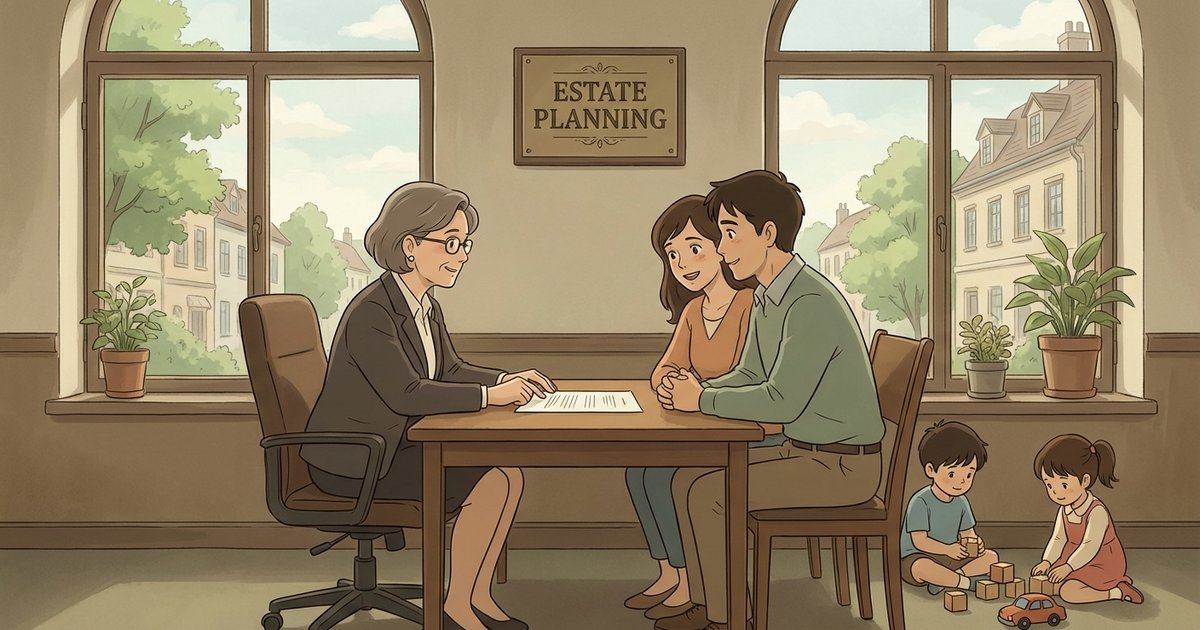
Apply the Rule to the Facts: Here, a married couple in North Carolina has one minor child and another on the way, and they are creating first-time planning documents. Because the children are minors, the plan should avoid leaving assets outright to the children and should name decision-makers to manage funds until the children reach a chosen maturity age. A joint revocable trust can provide a ready-made management structure at the first death and the second death, but only for assets that are actually titled in the trust or directed to it. A will with a trust created at death can still protect the children, but it commonly requires probate to move assets into the children’s trust and to confirm the personal representative’s authority.
Process & Timing
- Who files: After a death, the executor/personal representative named in the will (or an interested person if no one is available) typically starts the estate. Where: Clerk of Superior Court (Estates) in the county where the decedent lived. What: Application to probate the will and qualify the personal representative (forms and local requirements vary by county). When: As soon as practical after death; delays can create avoidable complications with asset access and administration.
- If using a joint revocable trust: The successor trustee can usually begin trust administration right away for trust-owned assets (for example, paying bills, managing accounts, and continuing management for the children’s benefit), but any assets still in the decedent’s individual name may still require a probate estate to transfer them into the trust.
- If using wills with a trust created at death: The personal representative generally gathers assets through probate, pays valid expenses and claims, and then funds the testamentary trust for the children under the will’s terms. The trustee then manages the children’s trust and makes distributions according to the standards and ages written into the will.
Exceptions & Pitfalls
- Unfunded trust problem: A joint revocable trust does not avoid probate for assets that never get retitled into the trust (or otherwise directed to it). Families often sign a trust but leave major assets in individual names, which can force a probate anyway.
- “Will-only” plan without a children’s trust: Leaving assets outright to minor children can trigger a guardianship of the child’s property and ongoing court oversight. A properly drafted testamentary trust (or a living trust) is often used to avoid that result.
- Guardian nomination vs. appointment: A will can recommend a guardian, but the Clerk of Superior Court makes the appointment based on the child’s best interests. See N.C. Gen. Stat. § 35A-1225.
- Coordination gaps: Beneficiary designations (life insurance, retirement accounts) and jointly titled accounts can override what a will says. A trust-based plan still requires careful beneficiary and title coordination so the children’s trust is actually funded.
- Administrative burden tradeoff: A joint revocable trust can reduce probate work later, but it increases upfront work now (retitling assets, keeping the trust updated, and maintaining consistent records).
For additional background on how trusts and wills can work for families with minor children, see leaving property to a minor and choosing guardians for minor children.
Conclusion
In North Carolina, both a joint revocable trust and a will with a trust created at death can protect minor children by putting an adult trustee in charge of the children’s inheritance. A joint revocable trust is usually best when probate avoidance and smoother management at death matter and the couple will follow through on funding the trust. A will-based plan can still work well, but it typically uses probate to move assets into the children’s trust. Next step: decide whether the plan should rely on probate funding or trust funding, then sign documents that name fiduciaries and create a children’s trust structure.
Talk to a Estate Planning Attorney
If you’re dealing with choosing between a joint revocable trust and wills that create a trust at death for minor children, our firm has experienced attorneys who can help you understand your options and timelines. Call us today at [CONTACT NUMBER].
Disclaimer: This article provides general information about North Carolina law based on the single question stated above. It is not legal advice for your specific situation and does not create an attorney-client relationship. Laws, procedures, and local practice can change and may vary by county. If you have a deadline, act promptly and speak with a licensed North Carolina attorney.

