
What happens if we have another child after we sign our wills—do we need to update them right away? – North Carolina
Short Answer
In North Carolina, having another child after signing a will usually does not revoke the will. But an after-born (or after-adopted) child may still have a legal right to receive an intestate-style share of the estate unless the will clearly covers that child or another statutory exception applies. For most families, updating the wills soon after the birth is the safest way to keep the plan clear and avoid a probate dispute.
Understanding the Problem
In North Carolina estate planning, the key question is what happens when parents sign wills and then a second child is born later. Can a new child still inherit even if the will does not mention that child? If so, does the new child receive a specific amount, or does the law treat the estate as if there were no will for that child’s share? This issue matters most when the will was drafted around the first child and does not use “all my children” language or a future-children clause.
Apply the Law
North Carolina has a “pretermitted child” rule for an after-born or after-adopted child. The will generally stays valid, but the child may be entitled to share in the estate as if the parent died without a will (intestate), unless the will or the overall plan fits one of the statutory exceptions. In practice, this rule can force a partial “rewrite” of the distribution during probate, which can create delays and conflict even in close families.
Key Requirements
- Child is after-born/after-adopted: The child is born or adopted after the will is signed.
- Will does not already address the child: The will does not make provision for that child, and it is not clear from the will that the omission was intentional.
- No exception controls the outcome: For example, if the will leaves everything to the surviving spouse, that can change whether the after-born child receives a separate share under this rule.
What the Statutes Say
- N.C. Gen. Stat. § 31-5.5 (After-born or after-adopted child; effect on will) – A later birth or adoption does not revoke a will, but an after-born/after-adopted child may claim an intestate-style share unless an exception applies.
- N.C. Gen. Stat. § 31-5.7 (Revocation rules are exclusive) – A will is not revoked just because life circumstances change, except as the statutes allow.
Analysis
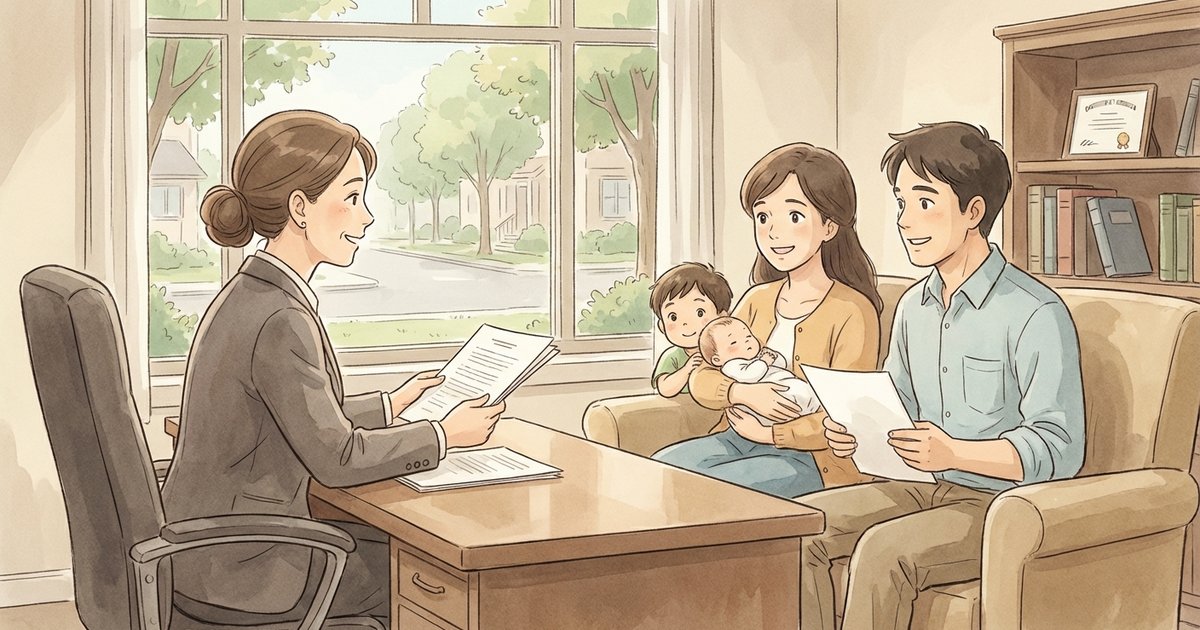
Apply the Rule to the Facts: The parents are preparing wills in North Carolina with one child and another expected. If the wills are signed now and the second child is later born, the wills typically remain valid, but the second child may still have a statutory right to share in the estate as if there were no will for that portion. Updating the wills soon after the birth (or drafting them now to include future children) helps keep the plan consistent and reduces the risk that probate distribution changes in a way the parents did not intend.
Process & Timing
- Who files: Usually the executor named in the will (or another interested person if there is a dispute). Where: The Clerk of Superior Court (Estates) in the county where the deceased lived in North Carolina. What: Probate filings to open the estate and submit the will; if an after-born child claim is raised, it is handled within the estate administration process. When: After death, as part of opening and administering the estate; timing can vary by county and complexity.
- Notice and administration steps follow. If the will does not clearly cover the after-born child, the executor may need legal guidance to calculate and distribute the child’s share consistent with the statute, which can slow distributions.
- The estate closes after debts, expenses, and distributions are completed and the required filings are accepted by the Clerk of Superior Court.
Exceptions & Pitfalls
- Relying on “the will won’t change”: In North Carolina, the will may stay valid, but the distribution can still change if an after-born child has a statutory right to an intestate-style share.
- Leaving everything to a spouse without a backup plan: A common plan is “everything to spouse, then to the children.” Depending on how the will is written and which statutory exception applies, an after-born child issue can still create confusion and conflict if both parents die close in time or if the spouse does not survive.
- Unclear language about “children”: If the will names only the first child and does not define “children” to include later-born or later-adopted children, the estate may face avoidable questions during probate.
- Forgetting non-will assets: Beneficiary designations (like life insurance and retirement accounts) and joint ownership may pass outside the will. If those are not updated after a birth, the overall plan may not match the family’s intent even if the will is updated.
For more context on how probate handles uncertainty about additional heirs, see what happens if there may be another child who could inherit from the estate.
Conclusion
In North Carolina, a new child after a will is signed usually does not cancel the will, but the after-born (or after-adopted) child may still be entitled to an intestate-style share unless the will clearly provides for that child or an exception applies. The cleanest way to avoid confusion is to update the wills (or include future-children language) so the plan clearly covers all children. Next step: sign updated wills with a North Carolina attorney soon after the child’s birth.
Talk to a Estate Planning Attorney
If a growing family needs wills that still work after another child is born, our firm has experienced attorneys who can help explain options and timelines under North Carolina law. Call us today at [919-341-7055].
Disclaimer: This article provides general information about North Carolina law based on the single question stated above. It is not legal advice for your specific situation and does not create an attorney-client relationship. Laws, procedures, and local practice can change and may vary by county. If you have a deadline, act promptly and speak with a licensed North Carolina attorney.

