
How can we name a guardian for our children in our wills if something happens to both parents? – North Carolina
Short Answer
In North Carolina, each parent can use a will to recommend who should serve as guardian for minor children if both parents are gone. The Clerk of Superior Court makes the official appointment, but the clerk will consider the parents’ written recommendation and will usually follow it unless another choice better serves the child’s best interests. A well-drafted will typically names a first-choice guardian and one or more backups and can also address who will manage the child’s money.
Understanding the Problem
In North Carolina estate planning, the question is how parents can use wills to name the person who would raise minor children if both parents die. The key decision point is whether a will can control who becomes guardian, or whether a court must still appoint someone. This issue matters most when there is no surviving parent available to act as the child’s natural guardian and a family needs a clear plan for who steps in.
Apply the Law
North Carolina law allows a parent to make a testamentary recommendation (a recommendation in a will) for who should serve as guardian for minor children, including a child expected but not yet born at the parent’s death. If both parents leave recommendations, the later-dated will generally controls unless other relevant factors apply. If there is no surviving parent, the Clerk of Superior Court considers the recommendation as a guide, but the clerk must still appoint the guardian based on the child’s best interests.
Key Requirements
- A clear written recommendation in each will: Each parent’s will should clearly identify the preferred guardian (and usually one or more alternates) for any minor child.
- No surviving parent with superior rights: A guardianship appointment typically becomes relevant when there is no surviving parent able to act as the child’s natural guardian.
- Clerk of Superior Court appointment based on best interests: Even with a will, the clerk makes the official appointment and can choose a different person if the clerk finds that is in the child’s best interests.
What the Statutes Say
- N.C. Gen. Stat. § 35A-1225 (Testamentary recommendation of guardian) – Allows a parent to recommend a guardian for minor children in a will; the clerk considers the recommendation but is not strictly bound if a different appointment better serves the child.
- N.C. Gen. Stat. § 35A-1224 (Criteria for appointment of guardians) – Requires the clerk to consider a valid testamentary recommendation while still basing the appointment on the child’s best interests and recognizing a surviving parent’s rights in many situations.
Analysis
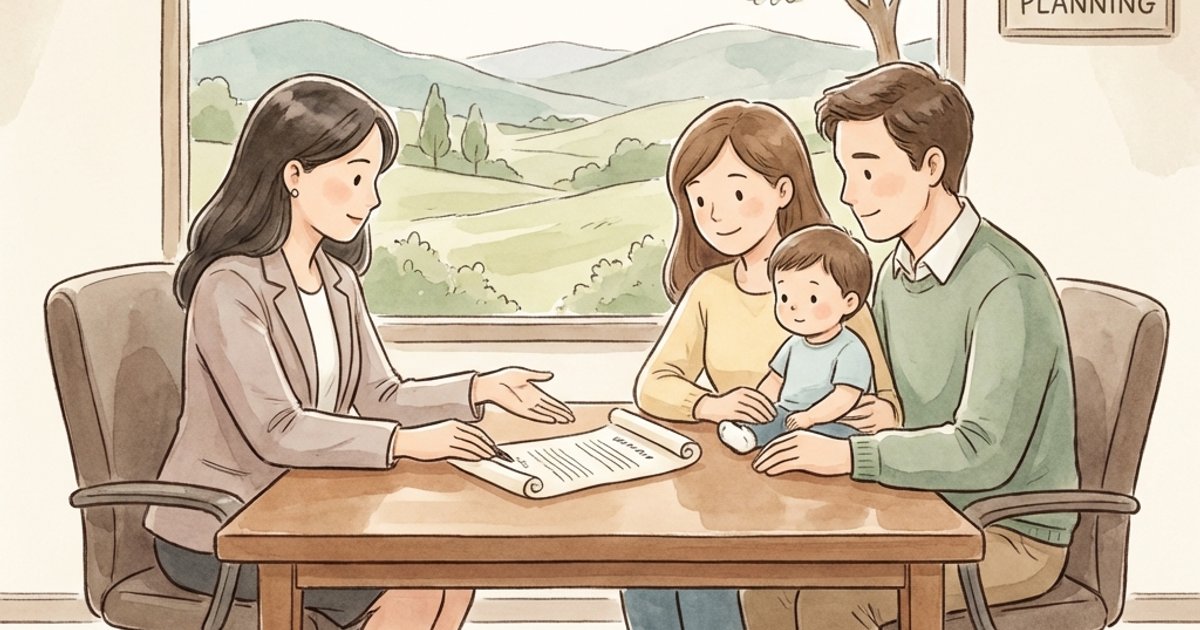
Apply the Rule to the Facts: Here, two parents recently moved to North Carolina, have one child, and are expecting another, and they want wills that cover what happens if both parents die. Under North Carolina law, each parent can sign a will that recommends the same first-choice guardian (and backups) for all minor children, including a child expected but not yet born at the time of death. If the worst happens and there is no surviving parent, the Clerk of Superior Court will use those recommendations as a guide when appointing the guardian, while still evaluating the child’s best interests.
Process & Timing
- Who plans: Each parent. Where: With a North Carolina-licensed estate planning attorney, then the wills are signed with the required formalities. What: Wills that (1) recommend a guardian and alternates and (2) coordinate who will manage money for the children (often by naming a trustee under a trust or a financial manager separate from the caregiver). When: Before an emergency; updates are common after a move, a birth, or a major change in relationships.
- If both parents die: A guardianship case is typically opened with the Clerk of Superior Court in the county where the child resides or is present, and the proposed guardian seeks appointment and “letters” showing authority to act.
- After appointment: The appointed guardian may have ongoing duties set by the clerk (for example, reporting and financial safeguards if the guardian is also managing property), and the plan should be revisited as children age and circumstances change.
Exceptions & Pitfalls
- A will does not automatically transfer custody: The will is powerful guidance, but the Clerk of Superior Court still makes the appointment and can choose a different person if the clerk finds that is in the child’s best interests.
- Not naming backups: If the first-choice guardian cannot serve, the process can become slower and more contested. Listing alternates usually reduces uncertainty. For more on this planning point, see backup guardian options.
- Mixing up “who raises the child” and “who manages money”: The best caregiver is not always the best person to handle funds. Many plans separate these roles and use a trust or custodial arrangement for assets. (A will can also nominate a custodian for certain transfers to minors under North Carolina’s UTMA framework.)
- Out-of-date documents after a move: Families who recently moved should ensure their wills match North Carolina requirements and reflect North Carolina guardianship terminology and process.
- Surviving parent issues: If one parent survives, that parent often has priority as the child’s natural guardian, and a will usually does not override that absent unusual circumstances.
Conclusion
In North Carolina, parents can name a preferred guardian for minor children by making a clear written recommendation in each will, ideally with one or more backup choices. If both parents die and there is no surviving parent available, the Clerk of Superior Court appoints the guardian and will consider the parents’ recommendation while still deciding based on the child’s best interests. The most important next step is to sign updated North Carolina wills that recommend a guardian (and alternates) as soon as possible after the move and before the new baby arrives.
Talk to a Estate Planning Attorney
If a family is dealing with planning for minor children and wants to name guardians in North Carolina wills, our firm has experienced attorneys who can help explain the options, coordinate backups, and align the plan for caregiving and finances. Call us today at 919-341-7055.
Disclaimer: This article provides general information about North Carolina law based on the single question stated above. It is not legal advice for your specific situation and does not create an attorney-client relationship. Laws, procedures, and local practice can change and may vary by county. If you have a deadline, act promptly and speak with a licensed North Carolina attorney.

