
Do I have to go through probate or an estate process before I can transfer my inherited interest? – North Carolina
Short Answer
Often, yes. In North Carolina, an heir or beneficiary usually needs a legally recognized “chain of title” showing how the interest passed from the deceased owner before that interest can be cleanly sold, gifted, or deeded away. Sometimes a full probate is not required, but some estate-related process or recorded documentation is still typically needed so the county land records clearly show who owns what.
Understanding the Problem
In North Carolina, can an heir who believes an ownership interest was inherited in a piece of real estate transfer that inherited interest (for example, by signing a deed to someone else) without first going through probate or an estate process? The practical issue is whether the land records and title history show the heir as the owner of record, and whether an estate proceeding is needed to create the documents that make the transfer marketable and recordable.
Apply the Law
North Carolina real estate transfers depend on what the county land records show and how the deceased owner held title. Even when an heir has a valid inheritance claim, buyers, lenders, and title companies commonly require a clear, recorded path from the deceased owner to the current owner(s). If the deceased owner had a will, North Carolina law generally requires the will to be probated to be effective to pass title against certain third parties, and there are timing and recording rules that can affect real estate in other counties. Estate administration may also be needed when a personal representative must sign a deed, pay claims, or resolve competing ownership claims.
Key Requirements
- Proof of who inherited: The transfer usually needs reliable, recordable proof showing who the heirs or devisees are and what share each person received.
- Authority to sign the deed: Depending on the situation, the deed may need to be signed by the heir(s) as owners, or by a court-appointed personal representative acting for the estate.
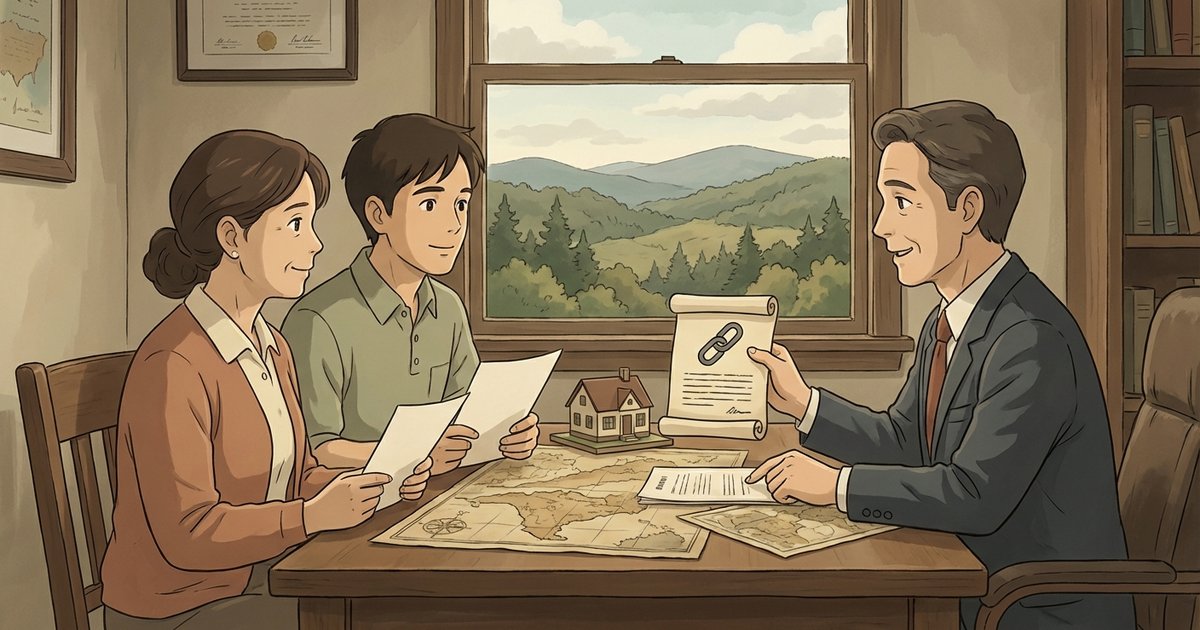
- Recordable “chain of title” documents: The county Register of Deeds typically needs documents that connect the deceased owner’s title to the person now conveying the interest, so the public record makes sense to future buyers and lenders.
What the Statutes Say
- N.C. Gen. Stat. § 31-39 (Probate necessary to pass title; recording rules) – Explains that a duly probated will is effective to pass title and sets timing/recording protections for lien creditors and purchasers, including rules when real property is in a different county.
Analysis
Apply the Rule to the Facts: The facts describe someone who believes an ownership interest in North Carolina real estate was inherited and wants to transfer that person’s interest. If the county land records still show the deceased person as the owner (or do not clearly show the inheritance transfer), a deed signed now may not solve the problem because the record may not show the signer had a clear, transferable interest. In many cases, an estate process (or another recognized procedure that produces recordable documents) is the step that creates the authority and paperwork needed to transfer the inherited interest cleanly.
Process & Timing
- Who files: Typically an executor named in a will, an administrator (if no will), or an interested heir. Where: The Clerk of Superior Court (Estates) in the North Carolina county with jurisdiction over the estate. What: An application to open the estate and obtain letters (letters testamentary or letters of administration), plus supporting documents (often including the death certificate and the original will if there is one). When: As soon as practical after death, especially if a sale, refinance, or transfer is planned.
- Title-clearing step: Once the proper person has authority (or once heirs/devisees are established), the next step is usually preparing and recording the appropriate deed(s) and any supporting estate documents needed for the land records in the county where the property is located. If the property is in a different county than the estate, additional recording steps may apply.
- Final step: Record the deed with the Register of Deeds in the county where the property sits, so the public record reflects the new ownership and the prior owner’s death is accounted for in the chain of title.
Exceptions & Pitfalls
- Non-probate transfers: Some ownership forms and beneficiary designations can pass real estate (or an interest in it) outside probate, but the land records still usually need the right recorded documents to show the transfer clearly.
- Heir deeds signed too early: Signing a quitclaim deed “as an heir” may not fix the title if the record does not yet show who the heirs/devisees are, or if an estate needs to address debts, claims, or authority to convey.
- Multiple owners and missing signatures: If several heirs inherited, a clean transfer often requires all necessary owners (or a properly appointed personal representative) to sign. One missing heir can stall a sale or refinance.
- County-to-county recording issues: When a will is probated in one county but the property is in another, recording steps in the property’s county can matter for protecting title against third parties.
- Out-of-state logistics: When an heir lives outside North Carolina, notarization, document delivery, and coordinating signatures can slow the process; planning early helps avoid closing delays.
Conclusion
In North Carolina, an inherited interest in real estate usually cannot be cleanly transferred until the inheritance is documented in a way the land records recognize. That often means opening an estate with the Clerk of Superior Court (Estates) and then recording the right deed and supporting documents in the county where the property is located. If there is a will, the safest next step is to start the probate process promptly so the will can be effective to pass title and the transfer can be recorded properly.
Talk to a Real Estate Attorney
If an inherited North Carolina property interest needs to be transferred and the title still reflects a deceased owner (or the inheritance is unclear in the public record), our firm has experienced attorneys who can help explain the options, paperwork, and timing. Call us today at [919-341-7055].
Disclaimer: This article provides general information about North Carolina law based on the single question stated above. It is not legal advice for your specific situation and does not create an attorney-client relationship. Laws, procedures, and local practice can change and may vary by county. If you have a deadline, act promptly and speak with a licensed North Carolina attorney.

