
How do I find out who the legal heirs are if relatives I’ve never met are coming forward? – North Carolina
Short Answer
In North Carolina, “legal heirs” are determined by intestate succession if there is no valid will. If there is a valid will, the persons entitled to inherit under the will are devisees or beneficiaries rather than heirs. When unfamiliar relatives come forward, the most reliable way to confirm who legally inherits is to review the estate file with the Clerk of Superior Court and, if needed, ask the clerk to determine heirs through an estate proceeding or a special proceeding for unknown heirs. The key is separating family stories from what the court record and North Carolina’s inheritance rules actually require.
Understanding the Problem
In North Carolina probate, the question is how to confirm who counts as the decedent’s legal heirs when extended family members—including previously unknown relatives and an out-of-state sibling—are giving conflicting information about a deceased parent’s land-related estate issues. The decision point is whether the heirs can be confirmed from reliable records (a will and the court file) or whether a formal court process is needed to have the Clerk of Superior Court determine the heirs before property or proceeds are distributed.
Apply the Law
North Carolina uses two main tracks to identify who inherits. If there is a valid will, the people named in the will (devisees/beneficiaries) generally control who receives property, subject to administration rules. If there is no will, heirs are determined by North Carolina’s intestate succession statutes, which set the order of inheritance among a surviving spouse, children, and more distant relatives. When there is uncertainty, disagreement, or potentially “unknown heirs,” the Clerk of Superior Court can address heirship issues through estate administration, and in some situations a special proceeding with notice by publication and a court-appointed guardian ad litem for unknown parties.
Key Requirements
- Confirm whether there is a will: Heirs under intestate succession apply only if there is no valid will controlling the distribution.
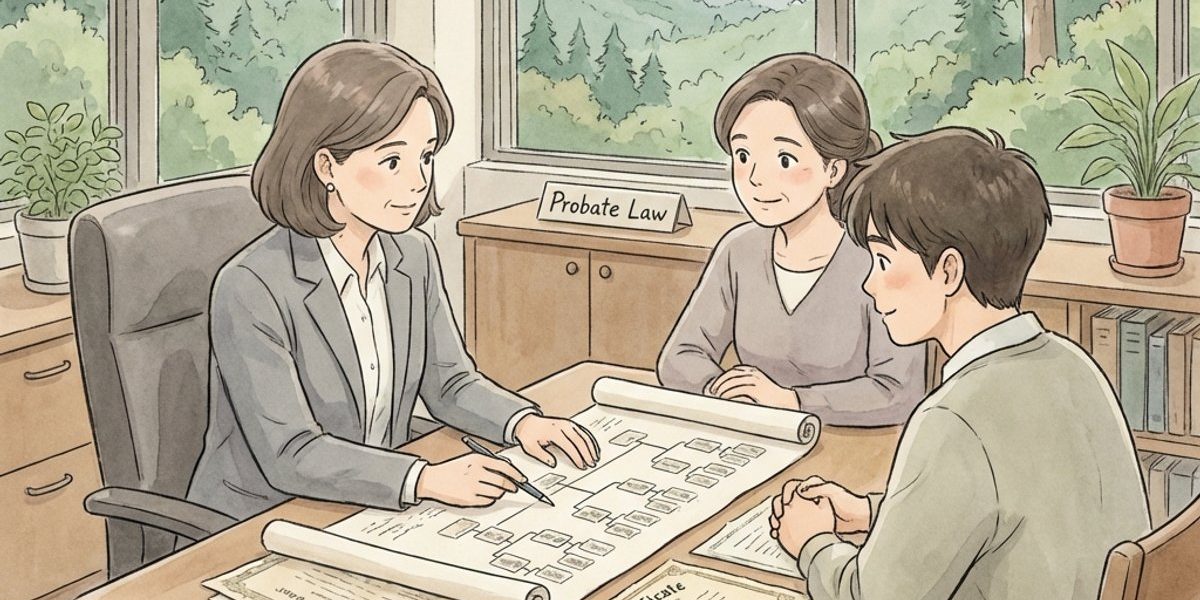
- Build the family tree with proof: The court typically relies on documents (death certificates, birth certificates, marriage/divorce records, prior probate files, sworn statements) rather than informal family accounts.
- Use the correct court process when heirs are disputed or unknown: If a person is known but it is unclear whether that person legally qualifies as an heir (or there is a dispute), an estate proceeding to determine heirship may be required; if heirs truly are unknown, a special proceeding against unknown parties may be required before distribution.
What the Statutes Say
- N.C. Gen. Stat. § 29-13 (Intestate succession; descent and distribution) – Establishes that when a person dies without a will, the estate passes to heirs under Chapter 29, subject to administration and claims.
- N.C. Gen. Stat. Chapter 28A (Administration of decedents’ estates) – Contains the probate administration framework and procedures used by the Clerk of Superior Court, including proceedings that can affect distribution and heirship issues.
Analysis
Apply the Rule to the Facts: Here, the estate involves land-related issues and conflicting claims from extended family members, including relatives previously unknown and a sibling living out of state. That combination often signals that informal agreement about the family tree may not be enough for distribution or for clearing title. The practical path is to confirm whether a will exists in the court file and then match the proven family relationships to North Carolina’s intestate succession rules (if there is no will), using the clerk’s procedures when heirship is disputed or when unknown parties may exist.
Process & Timing
- Who checks first: An interested person (often a child of the decedent) or the personal representative. Where: The Clerk of Superior Court (Estates) in the county where the estate is (or should be) administered. What: Request the estate file and review filings that identify heirs/beneficiaries and the personal representative (for example, the application/petition to open the estate and any inventory/accountings). When: As soon as conflicting claims appear, because distributions and land-title steps can move forward based on what is filed.
- If the issue is “unknown heirs”: The personal representative may need to start a special proceeding against unknown parties before distribution. That process typically involves service by publication and, after publication, the clerk may appoint a guardian ad litem to represent unknown parties and attempt to identify and locate them. The guardian ad litem then files a response so the court can enter an order addressing the issues presented.
- If the issue is a dispute about whether a known person is an heir: A proceeding to determine heirship may be needed within the estate administration so the clerk can decide heirship before distribution or before steps are taken to resolve land title.
Exceptions & Pitfalls
- “Unknown” vs. “known but missing”: North Carolina procedures can treat truly unknown parties differently from persons who are known but cannot be located. Mixing these categories can cause delays or lead to the wrong filing.
- Land issues can look “stuck” even when the estate is moving: Real property and estate administration do not always move on the same timeline, and disputes about heirs can block deeds, sales, or partition-related steps until heirship is clarified.
- Relying on family statements instead of proof: Conflicting stories about marriages, children, adoptions, or prior deaths can change heirship. The clerk’s decision-making typically depends on documents and sworn filings, not informal assurances.
- Not checking the existing court file: Sometimes a case already exists (estate administration, a special proceeding, or another filing affecting the land). Skipping the file review can lead to duplicated filings or missed deadlines.
Conclusion
In North Carolina, heirs are determined by the intestate succession rules in Chapter 29 if there is no valid will. If there is a valid will, the persons entitled to inherit under it are devisees or beneficiaries rather than heirs. When unfamiliar relatives come forward and the family is giving conflicting information, the most reliable next step is to review the estate file with the Clerk of Superior Court and confirm what has been filed about heirs and who is authorized to act. If heirship is disputed or unknown parties must be served, the next step is to file the appropriate proceeding with the clerk so the issues can be determined before distribution, and any publication response period (often 40 days) can run.
Talk to a Probate Attorney
If there are conflicting claims about who inherits a deceased parent’s property, a probate attorney can help review the court file, identify what proof is needed, and choose the correct clerk procedure to confirm heirs and move the estate forward. Call us today at [919-341-7055].
Disclaimer: This article provides general information about North Carolina law based on the single question stated above. It is not legal advice for your specific situation and does not create an attorney-client relationship. Laws, procedures, and local practice can change and may vary by county. If you have a deadline, act promptly and speak with a licensed North Carolina attorney.

