
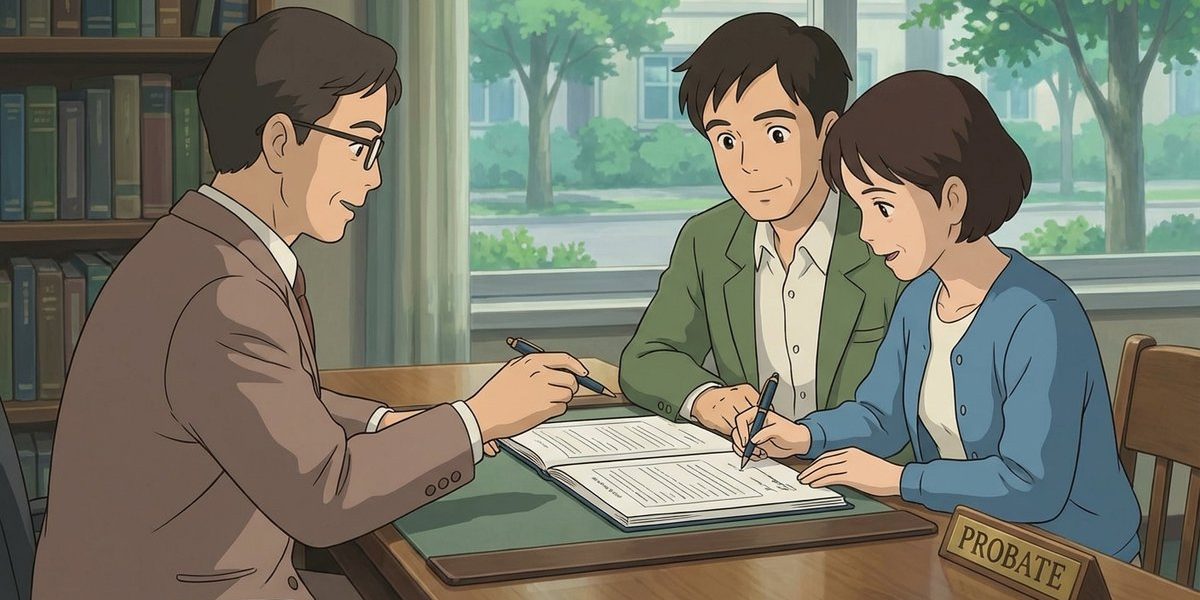
Do both co-administrators have to sign the probate filing before it can be accepted by the court? – North Carolina
Short Answer
Often, yes. In North Carolina, when two people are applying to be appointed together as co-administrators (joint personal representatives), the Clerk of Superior Court commonly expects both applicants to sign the application and related qualification paperwork before issuing Letters of Administration.
After appointment, many routine estate actions can be handled by one co-administrator if the co-administrators have a written agreement allocating certain powers, but some filings and decisions may still require joint action depending on the issue and local clerk practice.
Understanding the Problem
In a North Carolina estate administration, the key question is whether two people who are serving (or trying to serve) as co-administrators must both sign the initial probate filing so the Clerk of Superior Court can accept it and issue authority to act for the estate. The practical trigger is a breakdown in communication between co-administrators, which can stall the appointment process and delay basic steps like opening the estate file and getting the official Letters needed to deal with estate property.
Apply the Law
In North Carolina, the Clerk of Superior Court (the “estate clerk”) has original jurisdiction over most estate proceedings, including appointing personal representatives and issuing Letters. When two people seek to serve together, the clerk may appoint them as joint personal representatives. As a general rule, when multiple people apply together for the same relief, the clerk typically requires all applicants to sign the application/qualification paperwork so the clerk can rely on the filing as the act of all applicants.
Key Requirements
- Proper applicants and proper form: The application to open the estate and request Letters must be completed on the correct AOC form and filed with the Clerk of Superior Court in the proper county.
- All joint applicants sign/qualify: When two people are applying to be appointed together as co-administrators, both generally must sign the application and complete qualification steps (including any oath and bond requirements, if applicable) before Letters are issued to both.
- Joint authority rules after appointment: If co-administrators are appointed, the will (if any) can control how powers are exercised; if not, co-administrators may be able to allocate certain administrative powers by written agreement, but that does not automatically solve every signature or cooperation problem.
What the Statutes Say
- N.C. Gen. Stat. Chapter 28A (Estates of Decedents; Fiduciaries) – North Carolina’s main estate administration statutes, including appointment and powers of personal representatives (co-administrators).
- N.C. Gen. Stat. § 1-301.2 (Clerk of superior court; probate and certain other proceedings) – This statute addresses the clerk’s jurisdiction in estate and probate proceedings.
Analysis
Apply the Rule to the Facts: The facts describe a co-administrator who is not communicating consistently and may not be sharing information about estate property. If both individuals are trying to be appointed together, the clerk will usually require both signatures and qualification steps before issuing Letters to both, so a nonresponsive co-administrator can delay acceptance or completion of the filing. Even after appointment, inconsistent communication can create practical and legal risk because co-administrators still owe fiduciary duties and may need to coordinate on filings, disclosures, and decisions that affect the estate.
Process & Timing
- Who files: The person(s) seeking appointment as administrator/co-administrator. Where: The Clerk of Superior Court (Estates Division) in the county where the estate is opened in North Carolina. What: Commonly an AOC application for Letters of Administration (often used when there is no will) or an AOC application for probate and Letters (often used when there is a will). When: As soon as practical after death, especially if estate assets need to be secured or bills must be handled.
- Qualification steps: The clerk typically requires an oath/acceptance of duties and may require a bond unless waived or not required under the circumstances. If two co-administrators are being appointed, both generally must complete these steps for the clerk to issue Letters to both.
- If a signature cannot be obtained: The usual practical paths are (a) proceed with a single administrator instead of co-administrators (if the clerk will allow it under the priority rules and the facts), or (b) ask the clerk/court for relief in an estate proceeding if the co-administrator’s conduct is obstructing administration (the right procedure depends on what has already been filed and the specific problem).
Exceptions & Pitfalls
- Local clerk practice: Even when the law provides general rules, Clerks of Superior Court may have county-specific filing expectations (including what must be signed, notarized, or submitted together) before the clerk will issue Letters.
- Written allocation of powers is not a cure-all: Co-administrators may be able to assign certain tasks (like managing an estate bank account and records) by written agreement, but that does not automatically eliminate the need for cooperation on major decisions or court-required filings.
- Information gaps create fiduciary risk: If one co-administrator is not sharing information about estate property, inventories and accountings can become inaccurate, which can trigger objections, hearings, or personal liability issues.
Related reading: get estate records and creditor information from a co-administrator who won’t respond and what happens if multiple family members disagree about how the estate should be handled.
Conclusion
In North Carolina, when two people are seeking to be appointed together as co-administrators, the Clerk of Superior Court will usually require both applicants to sign the probate application and complete qualification steps before issuing Letters to both. After appointment, some routine tasks may be handled by one co-administrator if powers are allocated in writing, but cooperation is still important for accurate filings and lawful administration. Next step: file the correct AOC application with the Clerk of Superior Court and confirm what signatures and qualification documents the clerk requires before the appointment can be completed.
Talk to a Probate Attorney
If there is a co-administrator who will not communicate or sign paperwork needed to open or run an estate, our firm has experienced attorneys who can help explain options, prepare the filing correctly, and address delays through the proper clerk or court process. Call us today at [919-341-7055].
Disclaimer: This article provides general information about North Carolina law based on the single question stated above. It is not legal advice for your specific situation and does not create an attorney-client relationship. Laws, procedures, and local practice can change and may vary by county. If you have a deadline, act promptly and speak with a licensed North Carolina attorney.

