
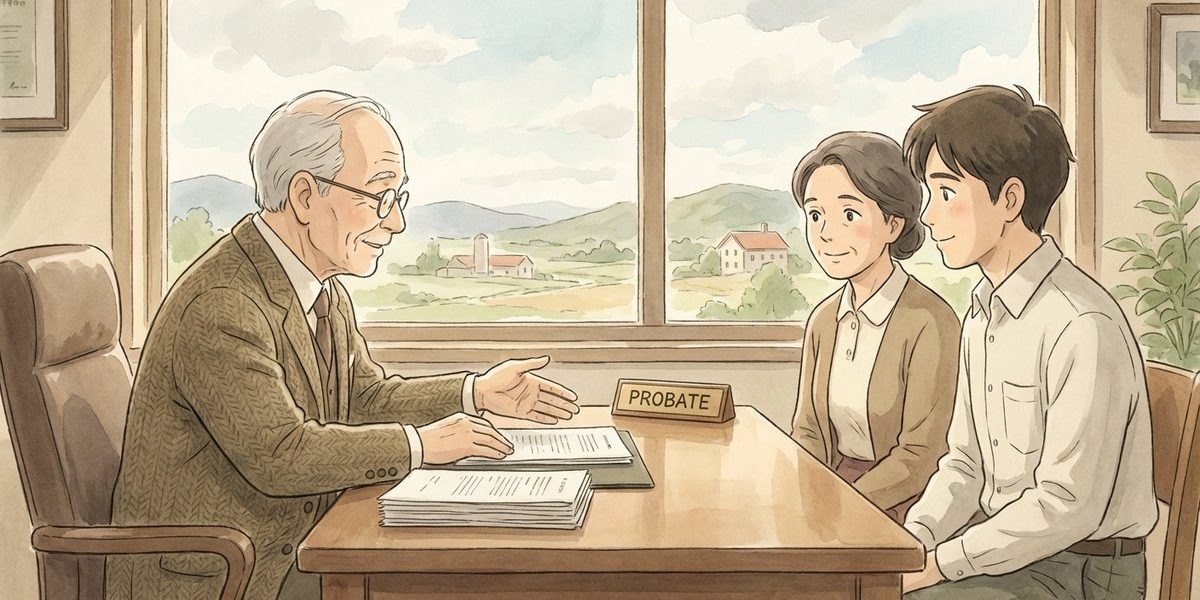
How does the probate process work when I am an heir to an estate? – North Carolina
Short Answer
In North Carolina, probate (often called “estate administration”) is the court-supervised process where a personal representative (executor or administrator) is appointed, gathers the estate’s assets, pays valid debts and expenses, and then distributes what is left to the heirs or beneficiaries. Most probate work is handled through the Clerk of Superior Court in the county where the person lived at death. As an heir, the main things to expect are notice that an estate has been opened, a period for creditors to make claims, and distribution after the personal representative completes required filings like an inventory and accountings.
Understanding the Problem
When a person dies in North Carolina, an heir often asks: how does the probate process work, and what steps happen before an heir receives property? The key decision point is whether a personal representative must be appointed through the Clerk of Superior Court to handle estate assets, debts, and distributions. The process usually involves opening an estate file, identifying heirs and assets, handling creditor issues, and then closing the estate after required reports are filed.
Apply the Law
North Carolina gives the Clerk of Superior Court (acting as the probate court) original jurisdiction over probate and estate administration. The personal representative has the legal authority—and the duty—to marshal estate assets, keep records, file required reports with the Clerk, and distribute to the proper people after debts and expenses are addressed. Heirs typically do not “run” the estate unless an heir is appointed as the personal representative, but heirs do have practical rights to information and to raise concerns with the Clerk if the administration is not being handled properly.
Key Requirements
- Appointment of a personal representative: Someone must qualify (executor if named in a will, or administrator if there is no will) to receive authority to act for the estate.
- Inventory and ongoing accounting: The personal representative generally must list estate assets and then report receipts, expenses, and distributions through required accountings until the estate is closed.
- Creditor and timing rules that affect distribution: The personal representative typically must address claims and follow timing rules before making final distributions and closing the estate.
What the Statutes Say
- N.C. Gen. Stat. § 7A-241 (Probate jurisdiction) – Gives the Clerk of Superior Court authority over probate and estate administration.
- N.C. Gen. Stat. § 31C-5 (Demand on personal representative regarding certain property) – Describes a situation where an heir’s written demand can trigger duties relating to certain property issues.
Analysis
Apply the Rule to the Facts: Here, the facts describe an heir who wants an overview of what to expect in North Carolina probate. The first practical step is usually confirming whether an estate has been opened and who has been appointed as the personal representative through the Clerk of Superior Court. Next, the heir should expect an asset-gathering and reporting phase (inventory and then accountings) while the personal representative addresses debts and expenses. Distribution to heirs typically comes after those steps and after the personal representative is ready to file a closing accounting and close the estate.
Process & Timing
- Who files: The person seeking authority to act (executor named in the will, or an administrator if there is no will). Where: The Clerk of Superior Court (Estates Division) in the North Carolina county where the decedent lived at death. What: An application to open the estate and qualify the personal representative, followed by required estate filings (commonly including an inventory and then annual/final accountings). When: Timing depends on the facts, but estates commonly aim to move toward a first-year reporting/closing schedule; if the estate is not ready to close, ongoing annual reporting may be required until it can close.
- Administration phase: The personal representative identifies and values assets, collects funds, manages estate property, and pays valid expenses and claims. This is also when creditor issues and title/real estate issues are commonly addressed. Timeframes vary by county practice and by whether the estate has hard-to-value assets, real estate to sell, or disputes.
- Closing and distribution: The personal representative prepares a final accounting and distribution plan, makes final distributions, and seeks to close the estate file with the Clerk. After the Clerk accepts the closing filings, the estate administration is completed.
Exceptions & Pitfalls
- Not every estate needs full administration: Some estates can avoid a full probate administration depending on what assets exist and whether anything must be sold to pay debts. Real estate and creditor concerns can change whether a formal estate is needed.
- Real estate sales within two years can be tricky: When heirs or devisees plan to sell real property soon after death, creditor-notice and title-clearing issues can become a problem if the estate is not handled correctly.
- Accounting and documentation problems: Delays often happen when the personal representative cannot support values on the inventory, cannot document transactions, or mixes estate funds with personal funds. Clean records and a dedicated estate account usually prevent avoidable issues.
- Communication gaps with heirs: Even when the personal representative is acting in good faith, misunderstandings arise if heirs do not know what stage the estate is in (asset collection, creditor period, tax/closing paperwork, or distribution).
Conclusion
In North Carolina, probate is the Clerk of Superior Court–supervised process where a personal representative is appointed, gathers and reports estate assets, pays valid debts and expenses, and then distributes the remainder to heirs. As an heir, the main milestones are identifying who qualified as personal representative, tracking the inventory and accountings, and understanding that distribution usually comes near the end. A practical next step is to confirm the estate file and the personal representative with the Clerk of Superior Court in the county where the decedent lived.
Talk to a Probate Attorney
If an heir is dealing with an estate administration in North Carolina and needs help understanding what to expect, what documents should be filed, and what timelines typically apply, our firm has experienced attorneys who can help explain options and next steps. Call us today at [919-341-7055].
Disclaimer: This article provides general information about North Carolina law based on the single question stated above. It is not legal advice for your specific situation and does not create an attorney-client relationship. Laws, procedures, and local practice can change and may vary by county. If you have a deadline, act promptly and speak with a licensed North Carolina attorney.

