
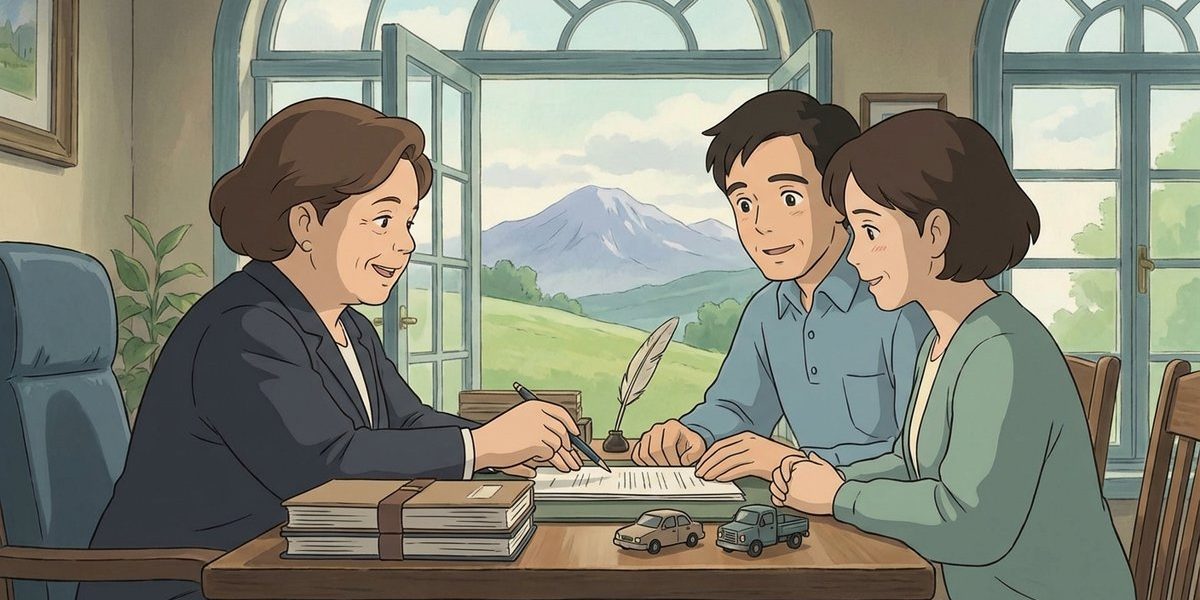
Can I keep the vehicles from the estate if I pay the other heirs their share, and how do we document that so it doesn’t look like I took them? – North Carolina
Short Answer
Yes—under North Carolina law, it is often possible for one heir to keep estate vehicles by treating them as part of that heir’s inheritance and paying (or “offsetting”) the other heirs for their shares, but it should be done through the estate administration and documented in writing. The cleanest approach is to have the personal representative handle the transfer, value the vehicles, and obtain written receipts/releases or a family settlement agreement that shows the vehicles were distributed as part of the estate—not taken. If heirs are not cooperating, the clerk of superior court’s estate file and (in some cases) a court order provide the paper trail that protects everyone.
Understanding the Problem
In North Carolina, an heir may want to keep vehicles located at a deceased parent’s home while other heirs dispute who gets what and how titles should be transferred. The key question is whether the vehicles can be kept by paying the other heirs their share, and what documentation should exist in the estate administration so the transfer looks like a proper distribution rather than an improper taking. The decision point usually turns on who has authority to distribute estate property (often the personal representative) and whether the heirs can agree on value and a written record of the tradeoff.
Apply the Law
As a general rule in North Carolina, vehicles and other personal property owned by the decedent are part of the probate estate unless they pass outside probate (for example, by a survivorship title or a beneficiary designation). During administration, the personal representative (executor/administrator) is typically the person who gathers estate assets, accounts for them, and then distributes them to heirs or devisees. If the heirs agree that one heir will receive specific vehicles, the estate can document that distribution and the agreed value, and then equalize the shares with cash payments or other property so the overall distribution matches each heir’s entitlement.
Key Requirements
- Proper authority to transfer: The transfer should be made (or clearly approved) through the estate administration—typically by the personal representative—so the chain of ownership and the estate accounting match what happened.
- Agreed value and allocation: The heirs should agree in writing on (a) which vehicles are being kept, (b) the value used for the “buyout/offset,” and (c) how the other heirs are being paid or credited.
- Clear written record: The estate should keep signed documents (receipts/releases or a settlement agreement) and reflect the distribution on the estate’s accounting so it is easy to show the vehicles were distributed, not taken.
What the Statutes Say
- N.C. Gen. Stat. § 46A-100 (Personal property may be partitioned) – Allows a tenant in common or joint tenant of personal property to petition in superior court to partition that personal property, which can matter if co-ownership of vehicles/personal property is disputed.
- N.C. Gen. Stat. § 46A-26 (Methods of partition) – Lists partition methods for real property and helps frame how courts handle co-owner disputes when heirs cannot agree (often relevant when vehicle/personal property disputes are happening alongside a house partition).
Analysis
Apply the Rule to the Facts: Here, there is an inherited home with uncooperative heirs and a separate dispute over vehicles and other personal property at the home. If the vehicles are estate assets, the safest path is for the personal representative to treat the vehicles as part of the overall inheritance, assign a value to each vehicle, and then document that one heir receives the vehicles while the other heirs receive an equalizing payment or credit. That written record—kept in the estate file and reflected in the estate accounting—reduces the risk that the transfer is later described as someone “taking” property from the estate.
Process & Timing
- Who handles it: Usually the personal representative (executor/administrator). Where: The estate file with the Clerk of Superior Court in the county where the estate is administered. What: A written distribution plan for the vehicles (including values), plus signed receipts/releases or a family settlement agreement; and title transfer paperwork consistent with the estate distribution. When: Typically after the personal representative has identified estate assets and before final distribution is closed out in the final accounting.
- Document the value: Use a consistent valuation method (for example, a written appraisal, a widely used pricing guide printout, or a dealer quote) and keep it with the estate records. If heirs disagree on value, the documentation should show the method used and the date of valuation.
- Match the paperwork to the story: The estate accounting should show the vehicles as distributed to the heir at the agreed value, and show the equalizing payment/credit to the other heirs. The goal is that the titles, the receipts/releases, and the accounting all tell the same story.
Exceptions & Pitfalls
- Title may not be an estate asset: If a vehicle is titled with survivorship rights or otherwise passes outside probate, it may not be available to “buy out” through the estate. The title history matters.
- Taking possession before authority is clear: Removing vehicles or personal property from the home before the personal representative authorizes it (or before heirs agree in writing) can create accusations of conversion or, if done by the personal representative, breach of fiduciary duty, even if repayment is later offered.
- Unclear “tradeoffs”: Informal promises like “I’ll keep the cars and pay everyone later” often cause disputes. A written agreement should state the exact vehicles, the value used, the payment method, and that the distribution satisfies (or partially satisfies) the heir’s share.
- Missing signatures: If even one heir refuses to sign a receipt/release or settlement agreement, the personal representative may need to slow down distributions, seek instructions, or use court-supervised procedures to avoid personal liability.
- Mixing partition and probate concepts: Partition is a tool for co-owned property disputes (often real estate), but estate administration controls how probate assets are collected and distributed. Keeping the vehicles “clean” on the probate side can prevent the real estate dispute from spilling into personal property accusations.
Conclusion
In North Carolina, an heir can often keep estate vehicles by treating them as part of that heir’s inheritance and paying or crediting the other heirs for their shares, but it should be done through the estate administration with clear written documentation. The safest approach is to have the personal representative value the vehicles, document the agreed distribution and any equalizing payment, and reflect it in the estate accounting before the estate closes. The next step is to put the agreement in writing and submit the distribution details to the Clerk of Superior Court’s estate file as part of the administration record.
Talk to a Partition Action Attorney
If a family is dealing with an inherited home, uncooperative co-owners, and disputes about vehicles or personal property, a coordinated plan can protect the estate record while the real estate dispute moves forward. Our firm has experienced attorneys who can help explain options and timelines and coordinate the documentation so distributions do not create new conflict. Call us today at [919-341-7055].
Disclaimer: This article provides general information about North Carolina law based on the single question stated above. It is not legal advice for your specific situation and does not create an attorney-client relationship. Laws, procedures, and local practice can change and may vary by county. If you have a deadline, act promptly and speak with a licensed North Carolina attorney.

