
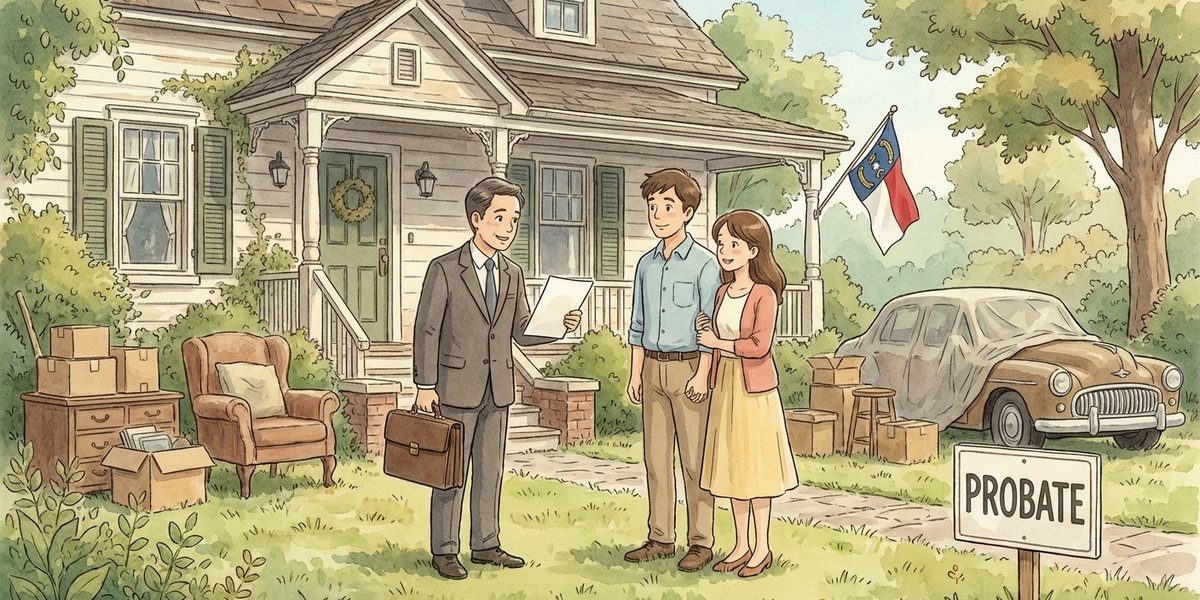
How can I get legal authority to remove clutter and dispose of vehicles on the property once the estate is opened? – North Carolina
Short Answer
In North Carolina, legal authority usually comes from qualifying as the estate’s personal representative (executor or administrator) and receiving Letters Testamentary or Letters of Administration from the Clerk of Superior Court. Once qualified, a personal representative generally has authority to take control of estate personal property and can often sell personal property (including vehicles) without a separate court order, as long as the personal representative documents the transactions and follows required estate procedures. Real estate is different: if control of the house and land is needed to manage or clear it out, the personal representative may need a specific clerk’s order to take possession of the real property.
Understanding the Problem
Under North Carolina probate practice, the key question is: once an estate is opened, what legal authority allows a personal representative to enter the decedent’s property, remove accumulated clutter, and dispose of vehicles located there? The actor is the court-appointed personal representative, and the relief sought is clear authority to manage and protect estate property while the estate is administered through the Clerk of Superior Court. Timing matters because authority typically begins when the clerk issues the Letters, and some actions (especially involving real property) may require an additional order from the clerk.
Apply the Law
North Carolina gives the Clerk of Superior Court exclusive original jurisdiction over probate and estate administration. After the clerk appoints a personal representative and issues Letters, that personal representative can act for the estate, including collecting, safeguarding, and managing estate assets. For personal property, North Carolina law generally allows a personal representative to sell or lease estate personal property without a separate court order, then report the receipts and disbursements in the next estate accounting. For real property, a personal representative may need to petition the clerk for an order authorizing possession, custody, or control when taking control is necessary for administration.
Key Requirements
- Qualification and Letters: The clerk must appoint the personal representative and issue Letters before third parties (like tow companies, junk haulers, storage facilities, and buyers) will usually accept that the personal representative has authority to act.
- Personal property vs. real property: Vehicles and household items are typically personal property; the personal representative often can sell/dispose of these without a separate sale order. Control of the land and dwelling can require an additional clerk’s order to take possession if the personal representative is not otherwise entitled to immediate possession.
- Documentation and accounting: Even when no separate order is required, the personal representative should keep an inventory trail (photos, lists, receipts, sale records) and report transactions in the estate’s accountings to the clerk.
What the Statutes Say
- N.C. Gen. Stat. § 7A-241 (Probate jurisdiction) – Gives the Clerk of Superior Court authority over probate and estate administration.
- N.C. Gen. Stat. Chapter 28A (Administration of Decedents’ Estates) – Contains the core rules on a personal representative’s powers and the estate administration process (including handling and selling estate property).
Analysis
Apply the Rule to the Facts: The scenario involves an out-of-state family member trying to open a North Carolina estate and needing authority to deal with vehicles and clutter at the decedent’s property. Once the Clerk of Superior Court processes the opening and issues Letters to the appointed personal representative, that appointment becomes the practical proof of authority needed to hire vendors, remove items, and transfer or dispose of vehicles as estate personal property. If access to and control of the house and land is necessary to complete the cleanout and protect the estate, a petition to the clerk for an order authorizing possession of the real property may be the cleanest way to avoid disputes with heirs or occupants.
Process & Timing
- Who files: The person named in the will as executor (or an eligible heir if there is no will or no executor can serve). Where: The Clerk of Superior Court (Estates Division) in the North Carolina county where the estate is administered. What: Application to probate/qualify and receive Letters (Letters Testamentary if there is a will; Letters of Administration if not). When: Authority to act typically starts when the clerk issues the Letters.
- Secure and document the property: After Letters issue, the personal representative should arrange access, change locks if appropriate, and document the condition of the home and vehicles (photos, lists). Vendors often want a copy of the Letters before they will tow, haul, or accept instructions.
- Dispose/sell personal property and vehicles and track the paper trail: The personal representative can typically sell personal property without a separate sale order, but should keep receipts, bills of sale, towing records, and deposit records, and then report the transactions in the next estate accounting filed with the clerk.
Exceptions & Pitfalls
- Real property control is not automatic in every case: If heirs, devisees, or occupants dispute access, or if the personal representative is not entitled to immediate possession, a petition to the clerk for an order authorizing possession, custody, or control can reduce risk and clarify authority.
- Do not treat “clutter” as worthless without checking: Items that look like junk can include titles, deeds, financial records, firearms, collectibles, or items that belong to someone else. A careful sorting plan and documentation helps avoid later claims.
- Vehicle title and DMV issues: A vehicle may have liens, co-owners, or missing titles. Even with Letters, additional DMV paperwork is often needed to transfer title, and the estate should avoid disposing of a vehicle until ownership and lien status are confirmed.
- Family allowance and household items: Some household property may be affected by spousal/child allowance procedures, and certain household furnishings can be affected when a surviving spouse’s rights are in play. Coordinating the cleanout with those rights can prevent contested estate issues.
- Accounting and reimbursement problems: Paying out-of-pocket for dumpsters, towing, or storage without clear records can create disputes later. Keeping invoices and a simple ledger helps support reimbursement requests and accurate accountings.
Conclusion
In North Carolina, the usual way to get legal authority to remove clutter and dispose of vehicles after an estate is opened is to qualify as the personal representative and obtain Letters from the Clerk of Superior Court. With Letters, a personal representative generally can manage and sell estate personal property and should document and report those transactions in the estate accounting. If control of the home and land is needed to complete the cleanout and protect the estate, the next step is to file a petition with the clerk for an order authorizing possession, custody, or control of the real property.
Talk to a Probate Attorney
If an estate needs to be opened and there are vehicles, clutter, and ongoing property expenses creating pressure, our firm has experienced attorneys who can help explain the steps to get Letters, coordinate cleanout authority, and keep the administration on track with the clerk’s requirements. Call us today at [919-341-7055].
Disclaimer: This article provides general information about North Carolina law based on the single question stated above. It is not legal advice for your specific situation and does not create an attorney-client relationship. Laws, procedures, and local practice can change and may vary by county. If you have a deadline, act promptly and speak with a licensed North Carolina attorney.

