
If most assets passed outside probate, does the will still control how that money gets divided among the children? – North Carolina
Short Answer
Usually not. In North Carolina, a will generally controls only the assets that are part of the probate estate (property the person still owned in their individual name at death). Assets that pass automatically at death—like joint accounts with right of survivorship or accounts with a named beneficiary—typically transfer by the account or title paperwork, not by the will. There are limited situations where nonprobate assets can still be pulled back in to pay valid debts or expenses if the probate estate is not enough.
Understanding the Problem
In North Carolina probate, the key question is whether the parent’s money was part of the probate estate or whether it transferred automatically at death by the way it was titled. When a parent leaves a will naming one adult child as executor and naming multiple children as beneficiaries, the will controls the distribution of estate assets handled through the Clerk of Superior Court. But if the main assets were held jointly with the executor and transferred into that child’s name at death, the issue becomes whether those assets are still governed by the will’s “divide it among the children” instructions or whether the joint ownership controls instead.
Apply the Law
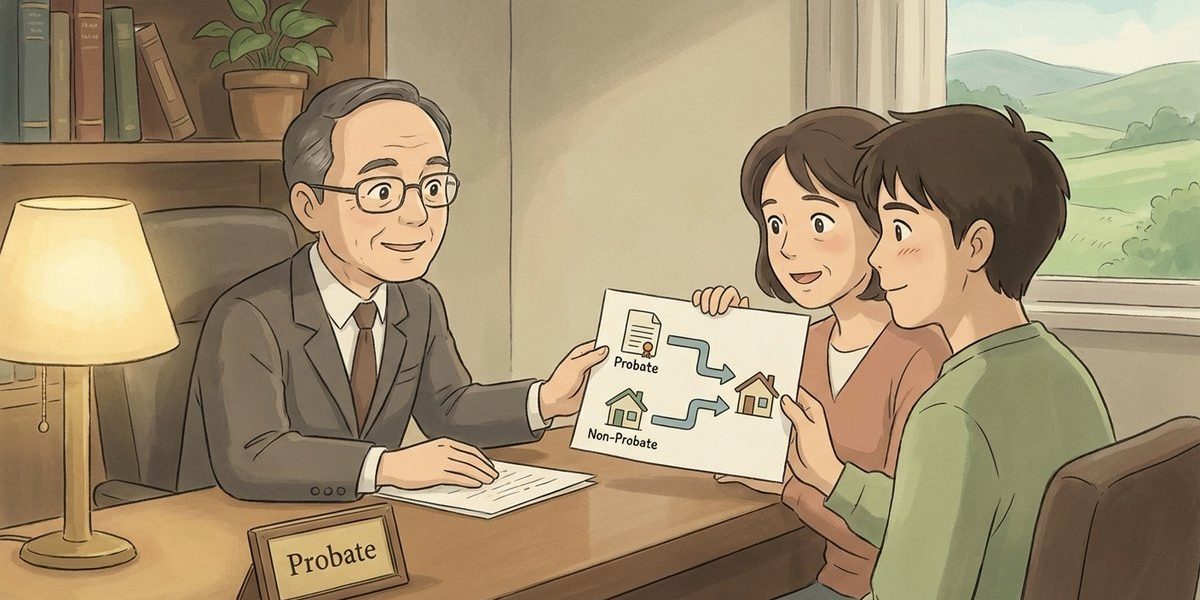
North Carolina law draws a practical line between (1) probate assets that pass under a will after the will is admitted to probate and (2) nonprobate assets that pass by operation of law or by contract (for example, survivorship title or a beneficiary designation). A will can only give away property the decedent owned at death in a way that is subject to probate administration. By contrast, survivorship and beneficiary-designation transfers generally happen automatically at death and are not controlled by the will’s distribution terms, even if the will says something different.
Key Requirements
- Identify what is a probate asset: Property owned in the decedent’s individual name at death (and not already set to transfer automatically) is typically controlled by the will once the will is probated.
- Identify what is a nonprobate transfer: Joint ownership with right of survivorship and certain “transfer-on-death” or “payable-on-death” arrangements typically transfer by title/contract at death and are not governed by the will’s division among children.
- Check whether estate debts change the picture: Even when property passes outside probate, North Carolina law can allow recovery from certain nonprobate transferees if the probate estate is insufficient to pay valid debts and administration expenses.
What the Statutes Say
- N.C. Gen. Stat. § 31-40 (What property passes by will) – A will disposes of property the testator is entitled to devise or bequeath at death; it does not rewrite ownership that already transfers automatically by title or contract.
- N.C. Gen. Stat. § 31-39 (Probate necessary to pass title) – A will must be probated to be effective to pass title to property that passes under the will, with important timing rules that can matter for third parties.
- N.C. Gen. Stat. § 41-48 (Transfer on death; not testamentary) – A transfer-on-death registration is effective by contract and is not controlled by the will, while still leaving room for creditor recovery if the estate is insufficient.
- N.C. Gen. Stat. § 54C-166.1 (Payable on Death accounts) – POD funds belong to the named beneficiary at death and are not inherited by heirs or controlled by will, though they can be subject to certain collection rights when applicable.
Analysis
Apply the Rule to the Facts: The parent’s will naming multiple adult children as beneficiaries controls the distribution of assets that are actually part of the probate estate. But the main assets were held jointly with the executor and transferred into the executor’s name at death, which is the classic fact pattern for a nonprobate survivorship transfer. That means the will usually does not control how that jointly held money gets divided among the children, unless there is a separate legal basis to treat some or all of those funds as belonging to the estate (for example, if the estate is insolvent and creditor-payment rules allow recovery from nonprobate transferees).
Stated another way: being named “executor” does not automatically create a duty to share money that became the executor’s property by survivorship title. The executor’s fiduciary duties apply to estate property and the estate process. Whether the other children have a claim to the survivorship funds depends on facts and legal theories outside the will’s basic distribution clause (and those claims are often very fact-specific).
Even if most assets passed outside probate, delays can still create problems. If there are remaining bills, refunds, or final income tax issues, someone still needs authority to handle whatever is left in the decedent’s name. Also, if there are legitimate debts and the probate estate has little or nothing, creditor-payment issues can become the pressure point that forces action.
For more background on how North Carolina treats property that bypasses probate, see what property actually has to go through probate and how beneficiary designations affect whether assets bypass probate.
Process & Timing
- Who files: The person holding the original will (often the named executor). Where: The Clerk of Superior Court (Estates) in the North Carolina county where the decedent lived at death. What: The original will for probate and an application to qualify as personal representative (executor) if an estate administration is needed. When: Within 60 days after learning of the testator’s death, unless a reasonable excuse exists for the delay, and as soon as practical if bills must be paid, refunds are expected, or real estate may be sold.
- Next step: If the executor qualifies, the estate administration starts and the personal representative can handle estate assets, pay allowed expenses/claims in the proper order, and gather information needed for accountings. Publishing a general notice to creditors is commonly part of a careful administration plan because it starts the creditor-claim clock and helps reduce later surprises.
- Final step: The personal representative files the required accountings with the Clerk and requests authority to close the estate when administration is complete. If there are no probate assets, the will may still be filed/probated for record purposes, but the practical work may be limited.
Exceptions & Pitfalls
- “The will says equal shares, so the joint account must be shared.” This is a common misunderstanding. In many cases, survivorship title controls that account, not the will.
- Debt and expense pressure. Even nonprobate transfers can be exposed if the estate does not have enough to pay valid debts and administration expenses. That risk often drives whether a formal estate needs to be opened and whether funds must be brought back to cover obligations.
- Slow or incomplete administration. When the executor does not file the will or take steps with the Clerk of Superior Court, beneficiaries can be left without clear information about what (if anything) is in the estate, what bills exist, and whether refunds or remaining assets are being handled properly.
- Taxes are not the same as “probate.” Even when probate is minimal, final income tax issues and other reporting obligations can still exist. A plan is needed for who will gather documents, handle final bills, and address refunds.
Conclusion
In North Carolina, a will generally controls only probate assets—property the decedent owned in a way that does not transfer automatically at death. If the main accounts were jointly held with right of survivorship and transferred into one child’s name at death, the will usually does not control how that money gets divided among the children. The practical next step is to file the will with the Clerk of Superior Court and determine whether an estate must be opened to handle any remaining probate assets and to start the creditor-notice timeline.
Talk to a Probate Attorney
If you’re dealing with a will that names multiple children but most assets transferred automatically to one child, our firm has experienced attorneys who can help explain what the will does (and does not) control and what steps can protect timelines for bills, refunds, and creditor issues. Call us today at 919-341-7055.
Disclaimer: This article provides general information about North Carolina law based on the single question stated above. It is not legal advice for your specific situation and does not create an attorney-client relationship. Laws, procedures, and local practice can change and may vary by county. If you have a deadline, act promptly and speak with a licensed North Carolina attorney.

