
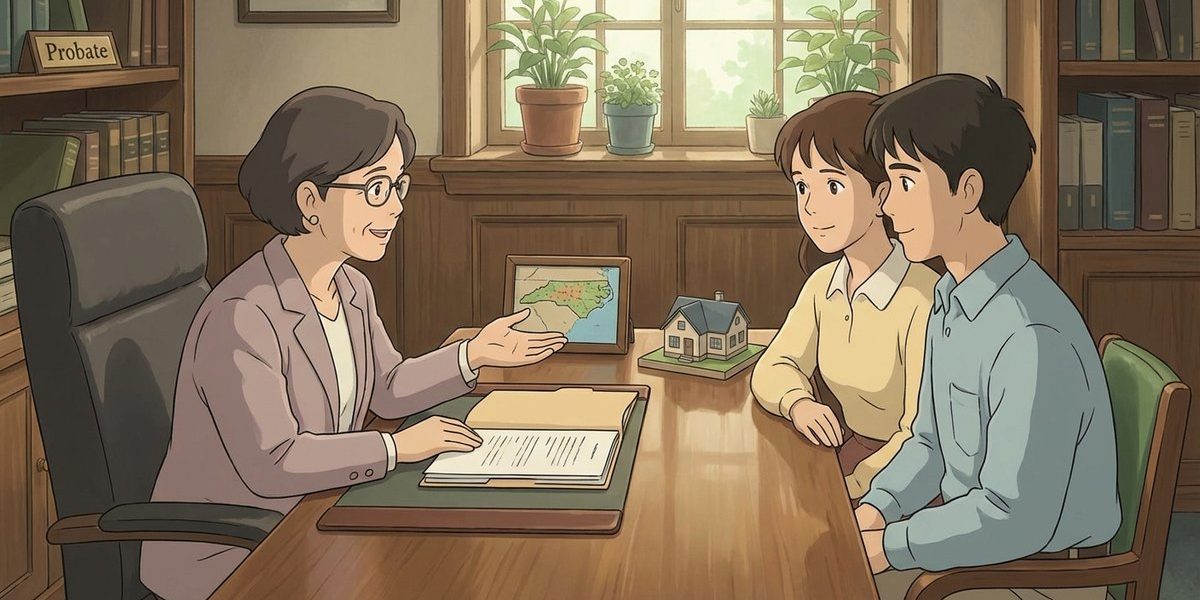
If we pay the property taxes to keep the home from being sold, does that give us any ownership rights or reimbursement rights? – North Carolina
Short Answer
In North Carolina, paying someone else’s property taxes usually does not give ownership rights in the home by itself. Reimbursement is sometimes possible, but it depends on why the taxes were paid and what legal relationship exists to the property (for example, a recorded lienholder versus a tenant). If the payment is made without a legal duty or a protected interest, the payer can be treated as a “volunteer,” which can make reimbursement harder.
Understanding the Problem
In North Carolina probate, can a long-term tenant of a home owned by a deceased landlord’s estate pay delinquent property taxes to prevent a tax sale, and does that payment create ownership rights in the home or a right to be repaid? The key decision point is whether the tax payment is made by someone with a recognized legal interest (like a lienholder or co-owner) versus someone paying simply to keep living in the home under a month-to-month rental arrangement.
Apply the Law
Under North Carolina law, ownership of real estate generally comes from a deed, a will, or intestate succession—not from paying expenses like taxes. Paying property taxes can, in limited situations, create a reimbursement claim or even a lien, but the strongest statutory protection is aimed at people who already have a lien or ownership-type interest in the property. In a probate setting, real estate is typically administered through the estate process in the county where the estate is administered, with oversight by the Clerk of Superior Court.
Key Requirements
- No automatic ownership: A tax payment alone usually does not transfer title or create a partial ownership share.
- Protected interest matters: Statutory reimbursement/lien rights are clearer when the payer already has a lien or encumbrance (for example, a deed of trust) or is a co-owner.
- Documented claim and proper party: To seek repayment from an estate, the payer generally needs proof of payment and must pursue repayment through the estate’s claim process (or, in some cases, a separate civil action), rather than relying on verbal assurances.
What the Statutes Say
- N.C. Gen. Stat. § 105-386 (Tax paid by holder of lien; remedy) – If a person who already has a lien/encumbrance pays property taxes that are a lien on the real estate, the statute provides a path to a superior lien and/or a money claim for reimbursement.
- N.C. Gen. Stat. § 105-363 (Remedies of cotenants and joint owners) – A co-owner who pays more than their share of property taxes may have a lien against the other owners’ shares for the excess.
Analysis
Apply the Rule to the Facts: Here, the parent appears to be a month-to-month tenant, not a deeded owner, not a recorded lienholder, and not a co-owner. In that situation, paying the property taxes to stop a tax sale generally does not create ownership rights in the home. A reimbursement claim may still be possible, but it is more likely to be treated as a claim against the estate (or a request for repayment from the heirs) and it will depend heavily on documentation, the reason for payment, and whether the estate or heirs requested/accepted the payment.
Process & Timing
- Who files: The person seeking repayment. Where: Typically with the decedent’s estate file (before the Clerk of Superior Court) in the county where the probate estate is open. What: A written creditor claim or demand for reimbursement supported by receipts, canceled checks, and the tax bill showing the parcel and tax year. When: As early as possible after payment and within the estate’s creditor-claim deadlines (deadlines can be strict and can depend on notice to creditors).
- Estate review: The personal representative (or the estate’s attorney) reviews whether the payment is an estate obligation and whether it should be treated as an administrative expense or a general claim. If heirs are already collecting rent informally, the estate may need to clarify who has authority to accept payments and make decisions for the property.
- Resolution: If the estate agrees, repayment may be handled through the estate accounting and disbursement process. If the estate disputes the claim, the payer may need to pursue the dispute through the procedures available in the estate file or, in some situations, a separate civil action.
Exceptions & Pitfalls
- “Volunteer” problem: If taxes are paid without a legal duty and without a protected interest in the property, the estate may argue the payment was voluntary and not reimbursable (especially if the payment was made mainly to keep living there).
- Paying the wrong party: Paying taxes directly may prevent a tax sale, but it does not substitute for getting a written agreement about rent, purchase, or transfer. Verbal statements about “giving the house” often do not create enforceable ownership rights in real estate.
- Proof issues: Reimbursement claims often fail because the payer cannot prove the amount, the date, the parcel, or the source of funds. Keep the tax receipt, the bill, and proof of payment together.
- Confusing reimbursement with ownership: Even if reimbursement is allowed, it typically results in a money claim (and sometimes a lien only in specific statutory situations), not a deed or title.
For more context on how tax payments can (and cannot) affect rights, see paying the property taxes for a long time and what records help with proving property-expense payments for reimbursement.
Conclusion
In North Carolina, paying the property taxes to prevent a tax sale usually does not create ownership rights in the home. Reimbursement may be possible, but it depends on whether the payment was made with a recognized legal interest or under circumstances the estate must honor, and it requires strong documentation. The most important next step is to submit a written reimbursement claim with proof of payment in the probate estate file with the Clerk of Superior Court as soon as possible and within the estate’s creditor-claim deadlines.
Talk to a Probate Attorney
If a family is dealing with a deceased landlord’s probate estate and considering paying property taxes to prevent a sale, our firm has experienced attorneys who can help explain options, document payments correctly, and protect timelines. Call us today at [919-341-7055].
Disclaimer: This article provides general information about North Carolina law based on the single question stated above. It is not legal advice for your specific situation and does not create an attorney-client relationship. Laws, procedures, and local practice can change and may vary by county. If you have a deadline, act promptly and speak with a licensed North Carolina attorney.

