
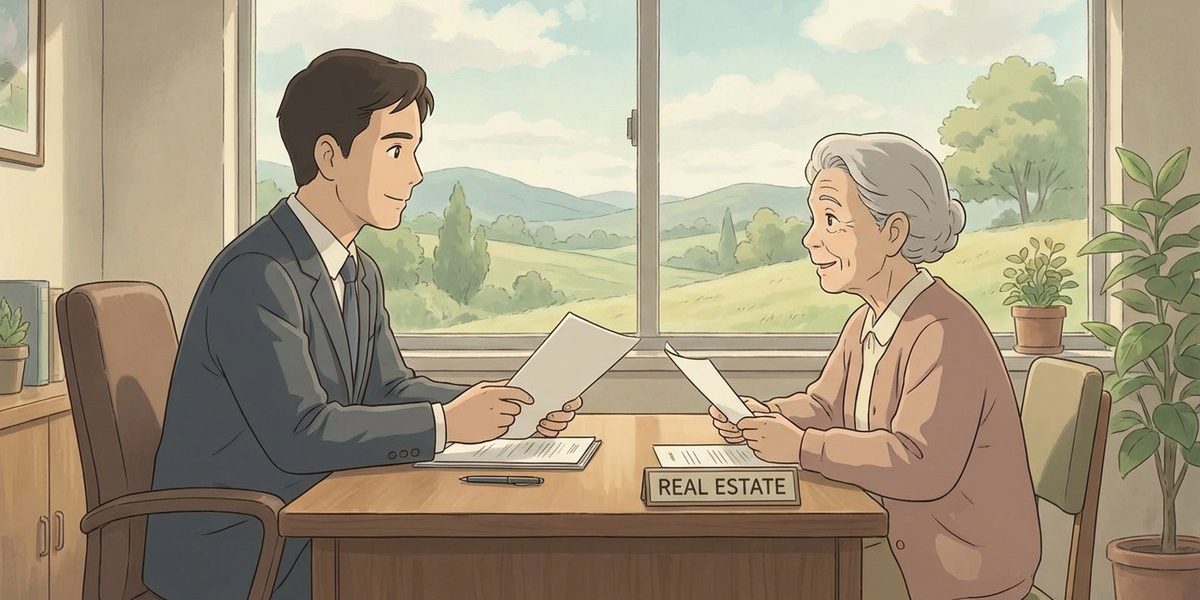
Do I need to record anything or sign a new deed to put the property only in my name before selling? – North Carolina
Short Answer
Often, no. If the home was owned by both spouses as tenants by the entirety (the most common way married couples hold title in North Carolina), the surviving spouse becomes the sole owner automatically at death, even if there was no will. In many sales, the surviving spouse does not sign a “new deed” to themselves, but the title company will usually require recorded proof of the spouse’s death (and sometimes an affidavit) before closing.
Understanding the Problem
In North Carolina, when a surviving spouse is trying to sell a home that was deeded to both spouses and the deceased spouse left no will, the key question is whether the deed’s form of ownership makes the survivor the automatic owner at death. If the survivor already owns the full title by survivorship, the sale can usually move forward without opening a full probate case just to “put the property in one name.” If the deed was not set up with survivorship rights, then the deceased spouse’s share may need an estate process before a buyer can receive clear title.
Apply the Law
North Carolina recognizes “tenancy by the entirety” for married couples. When spouses own real estate that way, the surviving spouse becomes the sole owner at the moment of death by survivorship, and the deceased spouse’s interest does not pass through intestacy. Even so, buyers and title insurers typically require the public records to show why only the surviving spouse is signing the deed at closing, which is why recording a death certificate (and sometimes an affidavit) often matters in practice.
Key Requirements
- How the deed is titled: The deed language controls whether the surviving spouse automatically owns the whole property (survivorship) or whether the deceased spouse’s share must pass through an estate process.
- Recordable proof of death: Even when ownership passes automatically, the closing file usually needs a certified death certificate and recorded documentation that connects the death to the title.
- Clear authority to convey: If survivorship does not apply, someone must have legal authority to sign for the deceased spouse’s interest (typically a court-appointed personal representative), or the buyer may not be able to get insurable title.
What the Statutes Say
- N.C. Gen. Stat. § 41-64 (Termination of tenancy by the entirety by death of a spouse) – explains that, for property held as tenants by the entirety, the surviving spouse owns the property by survivorship at the other spouse’s death (with a limited exception).
Analysis
Apply the Rule to the Facts: The facts describe a home deeded to both spouses, with the deceased spouse leaving no will. If the deed shows the spouses held title as tenants by the entirety, North Carolina law generally treats the surviving spouse as the sole owner automatically at death, so a “new deed into one name” is usually not required before selling. The practical issue is documentation: the death certificate and deed typically must be provided to the closing attorney/title company, and something may need to be recorded so the public record supports why only the surviving spouse is conveying title.
Process & Timing
- Who files: Usually the surviving spouse (or the closing attorney/title company on the spouse’s behalf). Where: the Register of Deeds in the North Carolina county where the property is located. What: commonly, a certified death certificate and, depending on local practice and the title insurer, an affidavit of survivorship or similar recordable statement tied to the prior deed. When: ideally before listing or as soon as a contract is signed, because recording and title review can take time.
- Title review: The closing attorney/title company reviews the deed to confirm the form of ownership and checks for liens, mortgages, and any facts that could defeat survivorship. If the deed is not tenancy by the entirety (or if there is a red flag), the closing may pause while the correct estate procedure is started.
- Closing: If survivorship applies and the record is acceptable, the surviving spouse signs the deed to the buyer at closing, and the closing attorney records the deed and final documents.
Exceptions & Pitfalls
- The deed was not tenancy by the entirety: If the spouses held title as tenants in common (or another form without survivorship), the deceased spouse’s share may require an estate administration before the property can be sold with clear title.
- Title company requirements vary: Even when the law says the survivor owns the property automatically, a title insurer may still require specific recorded documents (often a certified death certificate and an affidavit) to insure the buyer’s title.
- Mortgage and lien issues: A lender payoff, judgment lien, or other encumbrance can complicate timing and paperwork even when ownership is clear.
- Rare statutory exception: North Carolina has a limited exception involving a “slayer” situation that can change survivorship outcomes. If anything like that is alleged, the closing attorney will usually require court guidance before closing.
Conclusion
In North Carolina, a surviving spouse usually does not need to sign a new deed to “put the property in one name” before selling if the home was owned as tenants by the entirety, because the survivor becomes the sole owner automatically at death. The practical next step is to have the closing attorney confirm the deed’s ownership language and then record the death-related documentation with the county Register of Deeds early enough to avoid closing delays.
Talk to a Real Estate Attorney
If a surviving spouse is dealing with a home titled in both spouses’ names and a buyer is insisting on probate, our firm has experienced attorneys who can review the deed, coordinate with the closing attorney/title company, and help identify the quickest path to a clean closing. Call us today at [919-341-7055].
Disclaimer: This article provides general information about North Carolina law based on the single question stated above. It is not legal advice for your specific situation and does not create an attorney-client relationship. Laws, procedures, and local practice can change and may vary by county. If you have a deadline, act promptly and speak with a licensed North Carolina attorney.

