
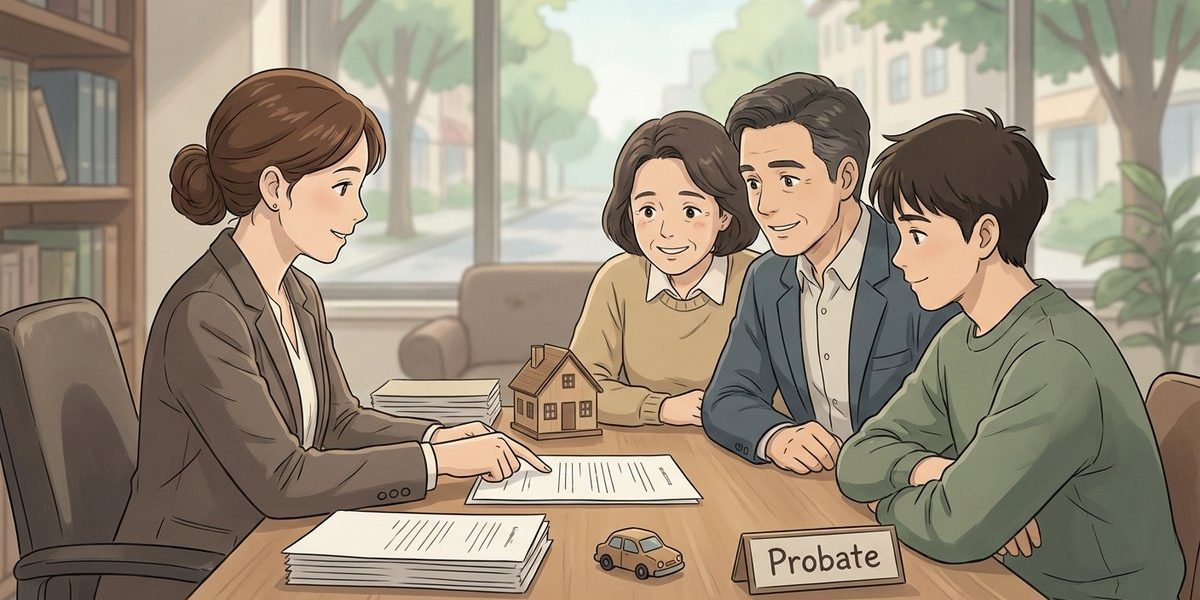
Do I have to wait until probate is opened and creditor notice is finished before transferring the deed to inherited real estate or retitling a vehicle left in the will? – North Carolina
Short Answer
In North Carolina, a deed transfer for inherited real estate and a vehicle retitle usually should not happen until someone is officially appointed by the Clerk of Superior Court (executor/administrator) and has authority to act for the estate. For real estate, transfers made too early can create title problems and can be ineffective against estate creditors in certain situations. For vehicles, the NCDMV typically requires estate authority documents (or a narrow affidavit-based exception) before it will issue a new title.
Understanding the Problem
In a North Carolina estate, can inherited real estate be deeded to the beneficiaries named in a will, or can a motor vehicle be retitled, before the estate is opened and the creditor-notice period is over? The key decision point is whether a legally authorized personal representative has been appointed and whether the transfer would cut off or interfere with the estate’s duty to pay valid debts before distributing property.
Apply the Law
North Carolina estate administration is supervised by the Clerk of Superior Court. In general, the estate’s personal representative (an executor under a will, or an administrator if there is no qualified executor) is responsible for collecting estate assets, addressing valid debts and claims, and then distributing what remains. Distributing or transferring estate assets too early can expose the personal representative to personal liability if the estate later lacks funds to pay proper claims, and it can also create avoidable title issues for real estate.
Key Requirements
- Authority to act for the estate: A deed transfer or vehicle retitle usually requires a personal representative who has been appointed by the Clerk of Superior Court and can show official authority (commonly called “letters”).
- Debts and claims come before distributions: The estate generally should not distribute property until it has identified likely debts and allowed time for claims to be presented after notice to creditors.
- Real estate has extra timing and title rules: Even when heirs or devisees have an eventual right to the property, early transfers can be ineffective against creditors/personal representatives in certain windows and can complicate later sale or financing.
What the Statutes Say
- N.C. Gen. Stat. § 31-39 (Probate necessary to pass title) – Explains that a duly probated will is effective to pass title, and sets important protections/limits involving creditors and purchasers, including special timing rules when a will is lost and a proceeding is filed to establish it.
- N.C. Gen. Stat. § 20-77 (Transfer by operation of law) – Allows NCDMV title transfers when ownership passes by inheritance/devise and describes what documents may be required (often a certified will and letters of administration, or a limited affidavit process in certain small-estate/no-administration situations).
- N.C. Gen. Stat. § 98-4 (Copy of lost will may be probated) – Provides a procedure for admitting a certified copy of a lost/destroyed will to probate in certain circumstances, which can be critical when the original will cannot be located.
Analysis
Apply the Rule to the Facts: Here, the parent died years ago, the original will cannot be located, and the named executors have declined to serve. That usually means the first practical step is getting the will admitted (often through a “lost will” process) and getting a personal representative appointed by the Clerk of Superior Court. Until that appointment happens, there is typically no one with clear legal authority to sign an estate deed or provide the documentation NCDMV expects for a will-based vehicle transfer.
Process & Timing
- Who files: The person seeking to administer the estate (often a beneficiary under the will). Where: The Clerk of Superior Court (Estates) in the North Carolina county with proper venue for the estate. What: A probate filing to admit the will (or establish/probate a lost will when the original cannot be produced) and an application to be appointed as personal representative. When: As soon as possible, especially if property needs to be sold, insured, or maintained.
- Notice to creditors: After appointment, the personal representative typically publishes and mails notice to creditors. The claim deadline in the published notice is commonly set at least three months from first publication (local practice and the estate’s facts can affect timing). During this window, the personal representative should inventory assets, identify known debts, and avoid distributions that could leave the estate unable to pay valid claims.
- Transfer steps after authority is in place:
(a) Real estate: If the plan is to deed property out of the estate, the deed and recording approach should match the estate’s posture (for example, whether the personal representative must join in the conveyance to protect title and creditor issues).
(b) Vehicle: The personal representative (or qualifying heirs in a narrow affidavit scenario) submits the required NCDMV paperwork with the authority documents described in the statute so a new title can be issued.
Exceptions & Pitfalls
- Vehicle transfers sometimes have a limited “no administration” path: North Carolina law allows NCDMV to transfer title by affidavit in certain situations where no administrator has qualified and no administration is expected, but it is fact-specific and does not eliminate creditor rights. When a will must be established (lost will) or administration is being pursued, the affidavit route often is not a clean fit.
- Real estate transfers can create title problems if done “informally”: Even if heirs/devisees agree, a deed signed by the wrong person (or signed before the estate is properly opened) can cause problems later when refinancing or selling, because a title examiner will look for proper probate authority and compliance with timing rules.
- Personal representative liability for early distributions: If estate assets are transferred out and a valid claim later appears, the personal representative may have to address the shortfall. A common risk-management approach is to wait through the claims period (or keep a reserve) before making nonessential distributions.
- Lost-will administration adds a front-end hurdle: When the original will cannot be found and the named executors decline, the estate often cannot move forward with clean transfers until the Clerk admits the will (or otherwise determines who has authority) and issues the appointment documents.
For more on related timing issues, see publish a notice to creditors before transferring property and small-estate options to retitle a vehicle.
Conclusion
In North Carolina, inherited real estate and vehicles usually should not be transferred until the Clerk of Superior Court has opened the estate and appointed a personal representative with authority to act. Even when a will leaves property to specific beneficiaries, the estate generally must address debts first, and early transfers can create creditor and title problems. The practical next step is to file to admit the will (including a lost-will proceeding when needed) and obtain letters so the transfer can be handled correctly after notice to creditors is underway.
Talk to a Probate Attorney
If a parent died leaving real estate or a vehicle and the original will cannot be located, the fastest path is usually getting the will admitted and getting someone appointed so transfers can be done cleanly and on the right timeline. Our firm has experienced attorneys who can help explain options, required filings, and creditor-notice timing. Call us today at [919-341-7055].
Disclaimer: This article provides general information about North Carolina law based on the single question stated above. It is not legal advice for your specific situation and does not create an attorney-client relationship. Laws, procedures, and local practice can change and may vary by county. If you have a deadline, act promptly and speak with a licensed North Carolina attorney.

