
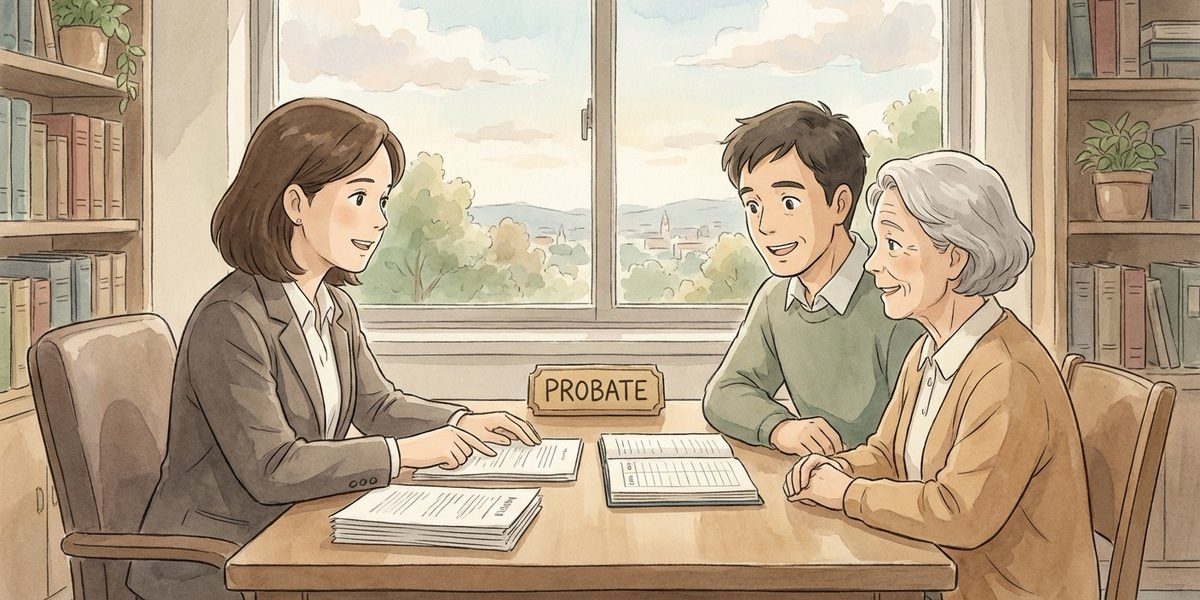
Do we have to go through probate to handle a grandparent’s estate, or are there ways to avoid it? – North Carolina
Short Answer
Not always. In North Carolina, some assets transfer automatically at death (like certain jointly owned property and beneficiary-designated accounts), and some small or limited estates can be handled with simplified clerk-of-court procedures instead of a full probate administration. Whether probate is required usually turns on what the grandparent owned at death, how it was titled, and whether there are debts that require an estate to be opened.
Understanding the Problem
Under North Carolina probate law, the key decision is whether the deceased grandparent left assets that require a court-appointed personal representative to collect them, pay valid debts, and transfer what remains to the right people. When a surviving spouse and another family member are trying to get an estate “situated,” the practical question is often whether the Clerk of Superior Court must open an estate file with “letters” (authority to act), or whether the property can pass through non-court transfers or a simplified process.
Apply the Law
In North Carolina, “probate” usually means a proceeding before the Clerk of Superior Court (Estate Division) to (1) prove a will (if there is one) and/or (2) appoint a personal representative (executor or administrator). Probate is commonly required when assets are titled in the grandparent’s name alone and a bank, buyer, or other institution will not release or transfer them without letters. Probate may be avoidable (or greatly reduced) when assets pass outside the estate by operation of law (for example, survivorship ownership or beneficiary designations), or when the estate qualifies for a streamlined procedure through the clerk.
Key Requirements
- Asset type and title: The starting point is identifying each asset and how it is titled (sole name, joint with right of survivorship, beneficiary designation, trust, etc.).
- Need for a court-appointed decision-maker: If someone must sign deeds, access sole-name accounts, sell property to pay bills, or deal with creditors, the clerk may need to appoint a personal representative.
- Debt and timing pressure: Even when assets “avoid probate,” debts and claims can still create a need to open an estate, especially if property must be sold or a creditor dispute is likely.
What the Statutes Say
- N.C. Gen. Stat. § 29-14 (Share of surviving spouse) – If there is no will, this statute helps determine what portion of real and personal property a surviving spouse may receive under intestate succession.
- N.C. Gen. Stat. § 30-3.4 (Elective share timing and procedure) – A surviving spouse’s elective share claim generally must be filed within six months after letters are issued in the estate.
- N.C. Gen. Stat. § 30-15 (Year’s allowance) – A surviving spouse may claim a year’s allowance, and if a personal representative is appointed, the claim generally must be made within six months after letters are issued.
Analysis
Apply the Rule to the Facts: The facts describe a surviving spouse and another family member trying to get a grandparent’s estate “situated” in North Carolina. The first step is usually an asset-and-title inventory: if most property is already set to transfer automatically (for example, survivorship accounts or beneficiary-designated assets), a full probate may not be necessary. If the grandparent owned assets in a sole name that require someone to sign and transfer them, or if bills must be paid from estate property, then opening an estate with the Clerk of Superior Court may be required even if the family hopes to avoid probate.
Process & Timing
- Who files: Typically the person named in the will as executor, or (if there is no will) an heir who seeks appointment as administrator. Where: The Clerk of Superior Court (Estates) in the North Carolina county where the decedent was domiciled. What: A probate application and supporting documents (commonly including the original will, if any, and a certified death certificate). When: As soon as practical if assets are frozen, bills are due, or real property must be sold.
- Identify what can bypass probate: Before opening a full estate, confirm whether key assets pass by contract or title (for example, beneficiary designations, survivorship ownership, or transfer-on-death registrations for certain securities). If the only “probate” need is to put a will on record or to address a narrow issue, the clerk may allow a more limited approach than full administration depending on the asset mix.
- Use a simplified procedure when eligible: If the estate is small enough and meets the clerk’s requirements, a small-estate process may allow collection and distribution without the same level of ongoing court supervision as a full estate. If the estate is real-estate-only and no personal property requires administration, the will may still need to be probated to pass title to devisees, but a personal representative may not need to qualify in some situations.
Exceptions & Pitfalls
- “Avoiding probate” is not the same as “avoiding estate issues”: Non-probate transfers can still create disputes (for example, over whether an account was properly set up with survivorship or payable-on-death terms) and can still leave questions about paying debts.
- Real estate can be a trap: When a grandparent owned real property, families often assume probate is optional. In reality, title transfer, future sale plans, and debt issues can make probate (or at least probating the will) necessary even when there is little personal property.
- Multiple family members acting informally: Banks, buyers, and the DMV usually require clear legal authority. Acting without letters (or without the correct small-estate paperwork) can delay transfers and increase conflict among heirs.
Conclusion
In North Carolina, a grandparent’s estate does not always require full probate. Probate is often avoidable when assets pass automatically by title or beneficiary designation, or when the estate qualifies for a simplified clerk-of-court procedure. But if property is in the grandparent’s sole name, debts must be paid, or real estate title must be cleared for a transfer or sale, opening an estate with the Clerk of Superior Court may be required. Next step: gather an asset-and-title list and file the appropriate estate paperwork with the Clerk of Superior Court in the county of domicile.
Talk to a Probate Attorney
If a family is trying to get a grandparent’s estate situated and it is unclear whether probate can be avoided, our firm has experienced attorneys who can help identify which assets transfer outside probate, which require clerk authority, and what deadlines may apply. Call us today at [CONTACT NUMBER].
Disclaimer: This article provides general information about North Carolina law based on the single question stated above. It is not legal advice for your specific situation and does not create an attorney-client relationship. Laws, procedures, and local practice can change and may vary by county. If you have a deadline, act promptly and speak with a licensed North Carolina attorney.

