
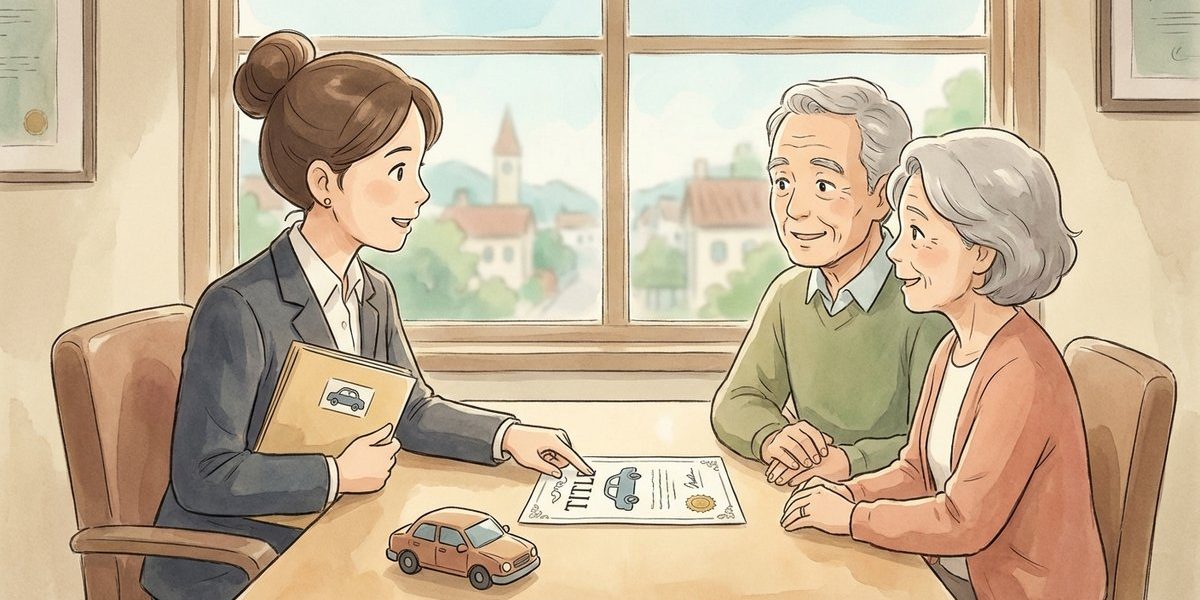
What information about a vehicle do you need to confirm whether it belongs to the estate? – North Carolina
Short Answer
In North Carolina, the key to confirming whether a vehicle belongs to an estate is the title record: who is listed as owner, how the owners are listed (sole owner vs. co-owners with survivorship), and whether the vehicle has a beneficiary-style transfer or other non-probate ownership arrangement. Practically, the fastest way to confirm this is to gather the vehicle’s identifying information (especially the VIN) and obtain a copy of the certificate of title or DMV title record. Lien and tax status also matters because it affects what the estate can transfer and what paperwork the DMV will require.
Understanding the Problem
In a North Carolina estate administration, the decision point is: does the vehicle pass through the estate (so the personal representative must handle it), or does it pass outside probate because of how it is titled or designated? The personal representative’s job depends on that answer, and it often comes up early when an estate matter involves contacting potential heirs and gathering information needed to identify and marshal assets.
Apply the Law
Under North Carolina law, a vehicle generally belongs to the estate if the deceased person was the sole titled owner at death and there is no effective non-probate transfer feature controlling who receives it. If the vehicle is titled with survivorship rights or is set up to transfer at death through a beneficiary-style registration, it may pass directly to a surviving co-owner or beneficiary instead of becoming an estate asset. Even when a vehicle passes outside probate, the value may still matter for estate debts and administration decisions.
Key Requirements
- Identify the vehicle: Confirm the exact vehicle by VIN (and match it to the title/registration) so the correct asset is being evaluated.
- Confirm the legal owner(s) on title: Determine whether the deceased is listed as sole owner, or whether there are co-owners and what survivorship language applies.
- Check for non-probate transfer features and encumbrances: Determine whether the vehicle is set up to transfer on death (or otherwise pass outside probate), and confirm liens, insurance, and property tax listing/payment status because those affect transfer and administration.
What the Statutes Say
- N.C. Gen. Stat. § 41-48 (Nontestamentary transfer on death) – Recognizes that certain transfer-on-death registrations can pass outside probate, while still allowing creditor recovery in limited situations if the estate is insufficient.
Analysis
Apply the Rule to the Facts: The estate matter described involves contacting potential heirs and gathering information, which often happens when the personal representative (or counsel) is still identifying what assets exist and which ones are probate assets. For a vehicle, the “belongs to the estate” question cannot be answered from heir addresses alone; it usually requires the vehicle’s identifying details (especially the VIN) and the title/DMV ownership record to confirm whether the deceased owned it alone, owned it with survivorship, or set it up to pass outside probate.
Process & Timing
- Who gathers info: The personal representative (or the attorney/paralegal assisting). Where: From the decedent’s records and the North Carolina Division of Motor Vehicles (DMV) title/registration paperwork. What: A copy of the certificate of title (front and back), registration card, and the vehicle identifiers (VIN, year, make/model, plate number).
- Ownership review: Confirm how the owner names appear on title (sole owner vs. co-owners) and whether the ownership format suggests survivorship or another non-probate transfer. Also confirm whether there is a lender/lienholder listed.
- Administration decision: If it is an estate asset, the personal representative typically plans for safeguarding/insurance and then a transfer (to a beneficiary or buyer) through DMV title paperwork, taking into account liens and ad valorem tax listing/payment requirements that DMV commonly checks during retitling.
Exceptions & Pitfalls
- Co-ownership confusion: A vehicle titled with a surviving co-owner may not be a probate asset even though the decedent’s name appears on the title. The exact wording and ownership format on the title matters.
- Missing title/unclear VIN: Without the VIN and a copy of the title (or reliable DMV record), it is easy to mix up similarly described vehicles or overlook a lienholder.
- Liens and taxes: A lienholder listed on the title and unpaid ad valorem tax listing/payment issues can block or delay a transfer, even when the estate otherwise has authority to act.
For more on practical DMV issues that can come up during estate administration, see local DMV refusal to process a title transfer and what to do if the title or registration cannot be found.
Conclusion
In North Carolina, confirming whether a vehicle belongs to the estate usually turns on the title record: the VIN-matched vehicle description, the named owner(s), and whether the ownership format causes the vehicle to pass outside probate (such as a transfer-on-death-style arrangement). Lienholder and property tax/insurance status also affect what the estate can transfer and how quickly. The next step is to obtain and review a copy of the certificate of title (front and back) and confirm the VIN and owner names before treating the vehicle as an estate asset.
Talk to a Probate Attorney
If an estate matter involves figuring out whether a car, truck, motorcycle, or mobile home is an estate asset (and what paperwork is needed to transfer it), our firm has experienced attorneys who can help explain the options and timelines. Call us today at [919-341-7055].
Disclaimer: This article provides general information about North Carolina law based on the single question stated above. It is not legal advice for your specific situation and does not create an attorney-client relationship. Laws, procedures, and local practice can change and may vary by county. If you have a deadline, act promptly and speak with a licensed North Carolina attorney.

