
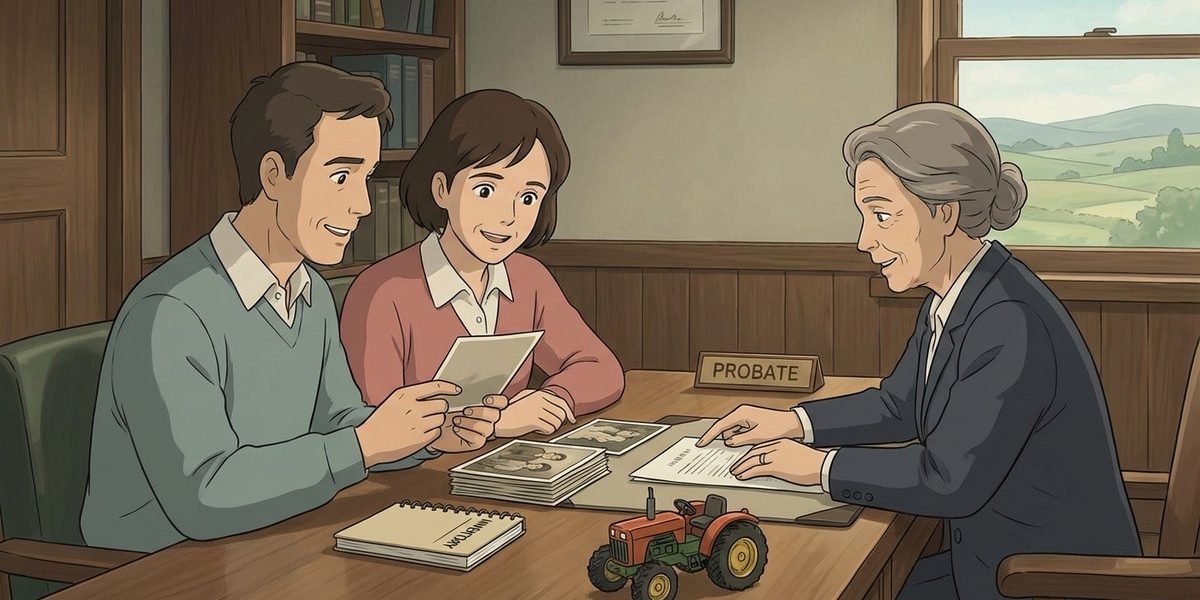
What proof do I need to show the estate had more personal property than what was reported on the inventory? – North Carolina
Short Answer
In North Carolina, the most persuasive proof usually combines (1) documents showing the decedent owned specific items at death, (2) evidence the items still existed around the date of death, and (3) evidence the items were not later disclosed on a supplemental inventory or accounting. Useful proof often includes photos or videos, titles/serial numbers (for vehicles and equipment), purchase and repair records, insurance schedules, farm and tax records, and witness statements from people who saw the property. If the evidence supports it, the Clerk of Superior Court can require the personal representative to explain, correct, or supplement the inventory.
Understanding the Problem
In a North Carolina estate, a personal representative must list the decedent’s probate assets on an inventory filed with the Clerk of Superior Court. The question is what proof can show that the decedent owned additional personal property at death—such as farm equipment—that should have been listed but was omitted. The decision point is whether the available evidence can reliably connect specific items to the decedent and to the date-of-death estate, rather than to someone else or to property that was sold, gifted, or otherwise transferred before death.
Apply the Law
North Carolina probate practice expects the inventory to be detailed and as complete as possible, using fair market value as of the date of death. If additional property later becomes known, the personal representative is directed to file a supplemental inventory. Tangible personal property of significant value should be itemized (and farm-related assets like livestock, crops, and equipment typically require itemization), while lower-value household items may sometimes be grouped. When a dispute arises, the most effective “proof” is evidence that identifies the property, ties it to the decedent, and shows it existed at or near death and was not properly reported or explained.
Key Requirements
- Identify the item: Proof should describe the personal property with enough detail to distinguish it (make/model, serial number, VIN, unique markings, attachments, or a clear photo).
- Connect it to the decedent and the date of death: Proof should show the decedent owned or controlled the item at death (not merely that it existed at some point years earlier).
- Show it belongs in the probate estate (or explain why it does not): Proof should address common reasons an item may be omitted, such as a pre-death gift/sale, a lien, or non-probate ownership (for example, property owned by a business entity rather than the individual).
What the Statutes Say
- N.C. Gen. Stat. Chapter 28A (Estates of Decedents; Fiduciary Relations) – North Carolina’s main probate statutes, including inventory and administration duties.
- N.C. Gen. Stat. § 28A-20-3 (Supplemental inventory) – Directs filing a supplemental inventory when additional property becomes known or values/descriptions were wrong or misleading.
- N.C. Gen. Stat. § 28A-20-4 (Appraisers) – Allows use of appraisers to help determine fair market value for inventory purposes.
- N.C. Gen. Stat. § 28A-15-12 (Proceeding to discover assets) – Allows a special proceeding to discover assets believed to be held by a third party.
Analysis
Apply the Rule to the Facts: The facts describe a potential heir who believes a sibling, acting as personal representative, filed an incomplete inventory and omitted significant personal property, including farm equipment. The most useful proof would identify the specific equipment (make/model/serial number), show the parent owned or possessed it at death (titles, bills of sale, loan/lien records, insurance schedules, repair invoices), and show the equipment existed around the date of death (photos, videos, witness statements, farm records). If the evidence suggests the property is being held by someone else or stored off-site, a discovery-of-assets proceeding may be a practical tool to force disclosure and clarify what belongs to the estate.
Process & Timing
- Who files: Typically an interested person (such as an heir or beneficiary) raises the issue with the estate file, and the personal representative may be required to respond; in some situations the personal representative files a correction. Where: The Estates Division of the Clerk of Superior Court in the county where the estate is administered. What: A written request/objection asking the Clerk to review the inventory and require clarification, correction, or a supplemental inventory; if property is believed to be held by a third party, a petition for a discovery-of-assets special proceeding may be used. When: As soon as credible information exists that assets were omitted, because delays can make property harder to trace and value.
- Build the proof package: Gather item-by-item evidence (photos, serial numbers, purchase/repair records, insurance schedules, farm records, and witness statements). Organize it as a list that matches how an inventory would describe property (one line per item, with identifying details and an estimated date-of-death value range if known).
- Clerk review and next steps: The Clerk may request more detail, require the personal representative to explain discrepancies, and in appropriate cases direct a supplemental inventory or further proceedings. If valuation is disputed, an independent appraisal may help narrow the disagreement to facts rather than suspicion.
Exceptions & Pitfalls
- Non-probate ownership: Some personal property may not belong on the estate inventory if it was owned by an LLC/corporation, held in a trust, or otherwise not owned individually at death. Proof should address ownership, not just location.
- “It existed” is not the same as “it was owned at death”: Old photos or memories can help start the search, but stronger proof ties the item to the date of death (recent insurance renewals, recent repairs, recent loan statements, recent farm schedules, or recent storage/lease records).
- Missing identifiers: Farm equipment disputes often fail on details. Without serial numbers, model information, or distinctive photos, it becomes easier for someone to claim the item was different equipment, sold earlier, or belonged to someone else.
- Valuation confusion: An item can be omitted because the personal representative assumes it has “no value.” Significant items should still be listed, and disputes often improve when an independent appraisal is obtained.
- Informal self-help: Taking or moving property to “protect it” can create new legal problems. A better approach is documenting the item in place (photos/video) and using the Clerk’s process to force disclosure and proper reporting.
For more on options when property is missing from the inventory, see challenge or correct an estate inventory and what to do if another relative is holding valuable personal property.
Conclusion
In North Carolina, the best proof that an estate had more personal property than reported is item-by-item evidence that identifies the property, ties it to the decedent at the date of death, and shows it was not later disclosed through a corrected or supplemental filing. Strong proof often includes serial numbers or titles, purchase and repair records, insurance schedules, farm and tax records, and witness statements. The next step is to present that organized proof to the Clerk of Superior Court handling the estate and request that the inventory be clarified or supplemented.
Talk to a Probate Attorney
If you’re dealing with a North Carolina estate inventory that appears to leave out significant personal property, our firm has experienced attorneys who can help you understand your options and timelines. Call us today at [CONTACT NUMBER].
Disclaimer: This article provides general information about North Carolina law based on the single question stated above. It is not legal advice for your specific situation and does not create an attorney-client relationship. Laws, procedures, and local practice can change and may vary by county. If you have a deadline, act promptly and speak with a licensed North Carolina attorney.

