
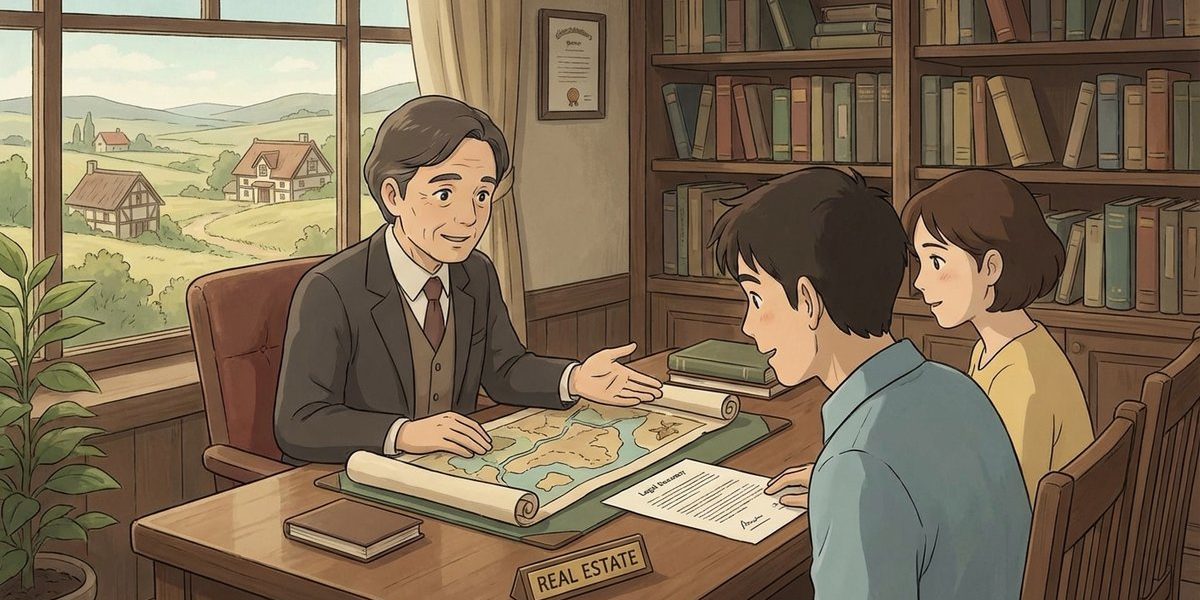
How do I find out who is actually on the deed for a property and whether it is considered heirs property? – North Carolina
Short Answer
In North Carolina, the starting point is the county Register of Deeds where the land is located. A deed search there can show the last recorded owner(s) and any later recorded transfers, such as deeds, estate-related filings, or court orders. “Heirs property” usually means the land passed after a death to multiple family members (often without a clear, recorded transfer), so the public records plus probate and tax records often need to be checked together to confirm who owns what.
Understanding the Problem
In North Carolina, how can the current record owner(s) of a parcel be confirmed, and how can it be determined whether the ownership is “heirs property” (meaning the land is held through inheritance by multiple relatives, often as co-owners)? The key decision point is whether the county land records and related court records show a clear chain of title into the current owner(s), or whether the records suggest the property passed through a death without a clean, recorded transfer into the heirs’ names.
Apply the Law
North Carolina ownership is primarily tracked through recorded instruments in the county Register of Deeds (deeds, deeds of trust, court-ordered transfers, and other filings affecting title). If a prior owner died, ownership may have passed through an estate (with documents often filed with the Clerk of Superior Court) and then may or may not have been followed by a recorded deed to the heirs. “Heirs property” is commonly used to describe inherited property with multiple co-owners (often tenants in common) where the title history is incomplete or fragmented, which can lead to disputes and, in some cases, a partition case in Superior Court.
Key Requirements
- Identify the correct county: The deed and related filings are recorded in the county where the land sits, not where the owner lives.
- Confirm record title (the last recorded owner(s)): The most recent recorded deed (and any later recorded instruments) usually shows who is “on the deed” in the public record.
- Check for inheritance indicators: If the last record owner is deceased and there is no recorded deed from that owner (or from an estate) to current occupants/relatives, the property may be held by heirs as co-owners, which can set up an “heirs property” situation and potential partition issues.
What the Statutes Say
- N.C. Gen. Stat. § 161-15 (Register of deeds; certified copies for multi-county instruments) – Describes a register of deeds process involving certified copies when an instrument affects land in more than one county, underscoring that recording happens at the county register of deeds level.
- N.C. Gen. Stat. § 46A-52 (Partition; unknown cotenants or disputed title) – Allows a partition case to move forward even when some co-owners are unknown or when title shares are disputed, which commonly arises in heirs-property disputes.
- N.C. Gen. Stat. § 46A-75 (Partition sale; “substantial injury” finding) – Sets a key standard the court considers before ordering a sale instead of dividing the land, an issue that often matters when inherited co-owners disagree.
Analysis
Apply the Rule to the Facts: The property is in a different part of North Carolina, so the first step is identifying the county where the land is located and pulling the most recent recorded deed from that county’s Register of Deeds. If the deed shows a long-deceased owner and there is no later recorded deed transferring the property out of that owner (or out of an estate), that gap often signals an inheritance-based ownership situation. If multiple relatives appear in later filings (or if family members claim shares without a recorded deed), the facts may fit a common “heirs property” pattern that can lead to a partition dispute.
Process & Timing
- Who searches: A property owner, family member, advocate, or attorney. Where: The Register of Deeds office (and its online search portal, if available) in the county where the land is located. What: Pull the most recent recorded deed, then work backward through prior deeds (a “chain of title” review). Also pull any recorded documents that can change ownership or cloud title (for example, recorded court orders, trustee deeds, or other recorded transfers). When: As soon as a dispute starts, and before any attempted sale, refinance, or partition filing.
- Check estate records if a prior owner is deceased: Search the county Clerk of Superior Court (estate division) for an estate file for the last record owner. If there is an estate, confirm whether the estate documents show heirs and whether any deed from the estate (or from heirs) was ever recorded in the Register of Deeds.
- Cross-check practical “ownership signals”: Review county tax listings and mailing addresses for tax bills, and compare them to the deed and any estate information. Tax records do not control ownership, but mismatches often reveal missing transfers or unrecorded inheritance issues that need to be addressed before the dispute can be resolved.
Exceptions & Pitfalls
- “On the deed” may not tell the whole story: The last recorded deed shows record title, but deaths, divorces, and unrecorded transfers can create a gap between record title and who claims an interest. Clearing that gap may require estate work and/or a court action.
- Same-name confusion: Families often reuse names across generations. A correct search usually requires confirming middle initials, prior addresses, and approximate dates, and then matching those details across deed and estate records.
- Unknown or missing heirs: In inherited-property disputes, some co-owners may be unknown, out of state, or hard to locate. North Carolina partition law anticipates that problem, but service/notice issues can slow a case and create avoidable costs if not handled carefully.
- Tax listing mistakes: County tax records can be outdated or based on informal family arrangements. Treat them as a lead to investigate, not proof of ownership.
For more background on resolving inherited-title problems, see fix the title when multiple family members may have inherited the property and figure out who legally owns a family property when multiple deeds were signed over the years.
Conclusion
In North Carolina, the most reliable way to find out who is on the deed is to search the land records at the Register of Deeds in the county where the property is located and confirm the most recent recorded deed and related filings. A property often looks like heirs property when the last record owner is deceased and the records do not show a clean, recorded transfer into the heirs’ names, especially where multiple relatives claim shares. The next step is to obtain the latest deed and then check the Clerk of Superior Court estate file for the last record owner.
Talk to a Real Estate Attorney
If you’re dealing with a dispute where the deed history is unclear and the property may have passed through family inheritance, our firm has experienced attorneys who can help explain options and timelines for confirming ownership and addressing heirs-property risks. Call us today at [919-341-7055].
Disclaimer: This article provides general information about North Carolina law based on the single question stated above. It is not legal advice for your specific situation and does not create an attorney-client relationship. Laws, procedures, and local practice can change and may vary by county. If you have a deadline, act promptly and speak with a licensed North Carolina attorney.

