
What documents do I need to start probate, and do I need death certificates for other relatives who later passed away too? – North Carolina
Short Answer
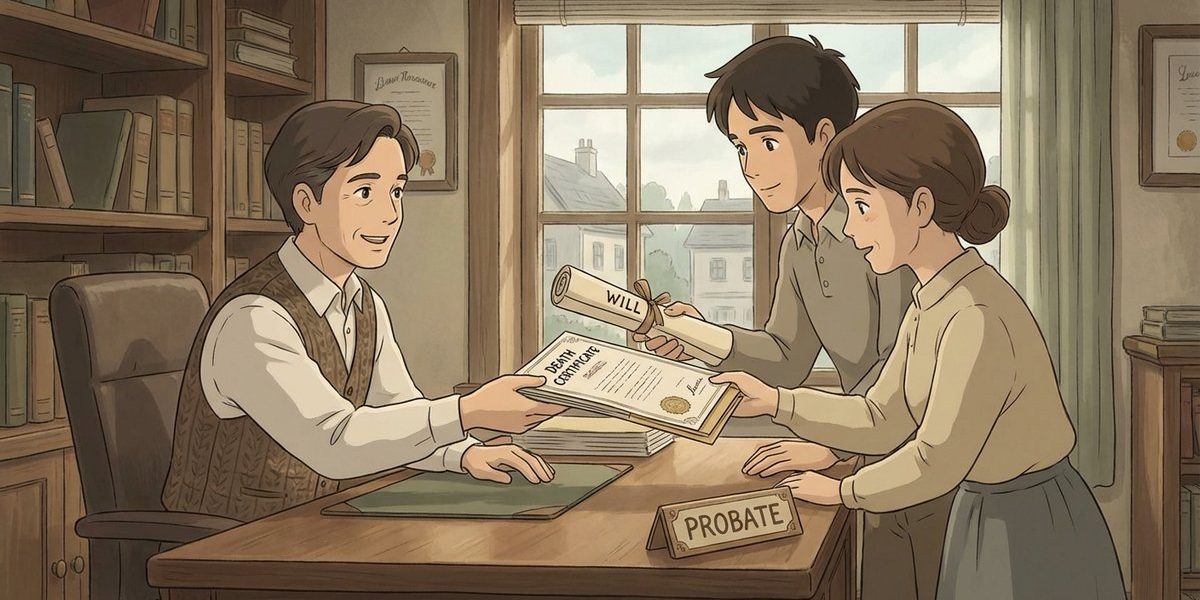
In North Carolina, starting probate usually requires the original will (if there is one), proof of death for the person whose estate is being opened, and a completed estate application filed with the Clerk of Superior Court in the proper county. A certified death certificate is commonly used, but the Clerk can sometimes accept other reliable proof of death. Death certificates for other relatives are not automatically required to open the estate, but they may be needed if those later deaths affect who is entitled to serve or inherit.
Understanding the Problem
In a North Carolina probate matter, the key question is what paperwork is needed to open an estate with the Clerk of Superior Court when an older will is found after the death, and whether additional death certificates are required for relatives who died later. The decision point is whether the Clerk can accept the filing and move forward with probate based on the will, proof of the decedent’s death, and the information needed to appoint a personal representative, even if an estate may have been opened before.
Apply the Law
In North Carolina, probate and estate administration are handled through the Clerk of Superior Court (the estate division) in the county with proper venue, commonly where the decedent lived at death. To start a testate estate (a will case), the Clerk typically needs (1) the will to be presented for probate, (2) an application asking the Clerk to admit the will and issue letters, and (3) evidence of death. If the will is admitted, the Clerk issues letters testamentary (or other letters) that authorize the personal representative to act. If a will is discovered late, it may still be offered for probate, but timing can affect how the will impacts title and third-party rights, especially for real estate.
Key Requirements
- Original will (and any codicils), if available: The Clerk generally expects the original signed will for probate. If the will is self-proved, that usually reduces the need to track down witnesses for testimony or affidavits.
- Proof of death for the decedent whose estate is being opened: A certified death certificate is the most common proof, but the Clerk may accept other evidence of death depending on what is available and what the Clerk deems sufficient.
- Estate application and qualification materials: The filing typically includes the application to probate the will and issue letters, information about heirs/devisees and estimated assets, an oath, and a bond if required (bond requirements vary by situation and by what the will says).
What the Statutes Say
- N.C. Gen. Stat. § 31-39 (Probate necessary to pass title; time limits affecting purchasers and lien creditors) – explains why probating a will matters for passing title and how delay can affect enforceability against certain third parties.
- N.C. Gen. Stat. § 31-11.6 (Self-proved wills) – provides the framework for wills that can be admitted with fewer proof problems because the execution was notarized in a specific way.
Analysis
Apply the Rule to the Facts: The facts describe an older will found after a death that was not submitted at the time, with concern that an estate may have been opened long ago. The first document issue is the will itself: the Clerk will typically want the original will (plus any codicils) to decide whether it can be admitted. The second is proof of death for the decedent whose estate is being addressed; that is usually handled with a certified death certificate, though alternative proof may be accepted. If other relatives later died, their death certificates usually become relevant only if those deaths change who the proper heirs/devisees are, who has priority to serve, or who must receive notice.
Process & Timing
- Who files: usually the executor named in the will, a devisee/beneficiary, or another interested person if the named executor does not act. Where: the Estates Division of the Clerk of Superior Court in the proper North Carolina county (commonly the county of domicile at death). What: the original will (if available) and the estate application used by the Clerk’s office (often an AOC estate form), plus qualification paperwork (oath; bond if required). When: as soon as practical after locating the will; if there is concern an estate was opened before, a file search with the Clerk is often the first step.
- Clerk review and proof issues: the Clerk reviews the will and supporting paperwork. If the will is self-proved, the proof step is usually simpler. If it is not self-proved, the Clerk may require witness testimony or affidavits, or other proof acceptable under local practice.
- Letters issued (or limited filing): if the Clerk admits the will and the personal representative qualifies, the Clerk issues letters (which are the documents banks and others often require). In some situations, a will may be filed or probated without a full qualification, but that depends on what needs to be accomplished and what property is involved.
Exceptions & Pitfalls
- “Other relatives’” death certificates are sometimes a secondary requirement: if a beneficiary/executor named in the will died later, the Clerk may need proof of that death to determine who now has authority to serve or who receives notice, especially when the chain of inheritance changes.
- Original will problems: if only a copy is available, additional steps may be required to prove the will and explain why the original cannot be produced. This can slow the start of probate.
- Prior estate file or closing: if an estate was opened years ago, the Clerk may treat the situation as a reopening, a supplemental proceeding, or a separate filing depending on what happened in the original case and what relief is needed now. Pulling the estate file first can prevent filing the wrong paperwork.
- Real estate timing and recording issues: when real property is involved, late probate can create disputes with later purchasers or lienholders, and additional recording steps may be needed in the county where the property is located.
For more background on paperwork commonly requested at the start of an estate, see what documents are needed to get probate started and whether probate can begin without the death certificate.
Conclusion
To start probate in North Carolina, the Clerk of Superior Court typically needs the original will (if one exists), proof of death for the decedent whose estate is being opened, and the estate application and qualification paperwork needed to issue letters. Death certificates for other relatives are not automatically required, but they may be needed if later deaths affect who can serve or who inherits. The practical next step is to file (or present) the will and an application with the Clerk in the proper county and confirm whether an estate file already exists.
Talk to a Probate Attorney
If you’re dealing with a late-discovered will or uncertainty about what documents the Clerk will require to open (or reopen) an estate, our firm has experienced attorneys who can help you understand your options and timelines. Call us today at [919-341-7055].
Disclaimer: This article provides general information about North Carolina law based on the single question stated above. It is not legal advice for your specific situation and does not create an attorney-client relationship. Laws, procedures, and local practice can change and may vary by county. If you have a deadline, act promptly and speak with a licensed North Carolina attorney.

