
How do I get a will and other estate documents to a lawyer if the files are too large to email? – North Carolina
Short Answer
In North Carolina, large estate-document files are usually sent to a law firm through a secure client portal link, a secure file-sharing service, or by delivering paper originals and a USB drive. The most important practical point is to protect the original will: send scans for review, but keep the original safe and coordinate delivery because the Clerk of Superior Court ultimately handles probate. If the situation feels time sensitive, sending readable scans the same day and arranging prompt delivery of the original will can help prevent confusion about who is supposed to serve as executor or administrator.
Understanding the Problem
In a North Carolina probate matter, the key question is how to get a will and related estate documents to a probate lawyer when email attachments are too large. The practical concern is sending documents quickly and securely while preserving the original will for the probate process handled through the Clerk of Superior Court. The timing often matters when family members are already discussing who will serve as executor under the will or who might apply to be administrator if no will is presented.
Apply the Law
North Carolina probate is handled through the Clerk of Superior Court, who has original jurisdiction over probate and estate administration. A lawyer can review scanned copies to advise on next steps, but the probate process generally requires proper handling of the will and related paperwork, and the original will should be protected from loss or damage. If a will is not presented for probate within a certain time after death, North Carolina law allows other interested people to step in and apply to probate the will after notice, which is one reason quick document transfer and coordination can matter.
Key Requirements
- Security and confidentiality: Use a method that protects sensitive information (account numbers, Social Security numbers, medical and financial records) and limits who can access the files.
- Document integrity (especially the original will): Provide clear scans for review, but preserve the original will and coordinate how and when it will be delivered for probate-related steps.
- Speed with a clear chain of custody: Send what is needed for immediate review (scans/photos) and separately plan delivery of originals and hard-to-scan items so the lawyer can act before others try to move the case forward.
What the Statutes Say
- N.C. Gen. Stat. § 7A-241 (Probate jurisdiction) – Probate and estate administration are handled through the superior court division and exercised by the clerks of superior court.
- N.C. Gen. Stat. § 31-39 (Effect of probate on title; timing limits) – A will generally must be probated (or at least offered for probate) to be effective to pass title, with time limits that can matter for third parties.
- N.C. Gen. Stat. § 31-11 (Wills deposited for safekeeping) – A living person may deposit a will with the Clerk of Superior Court for safekeeping under the statute’s procedure.
Analysis
Apply the Rule to the Facts: Here, the immediate need is getting a lawyer readable copies of a will and other estate documents when email will not work, while also protecting the original will so it is available for the Clerk of Superior Court when probate steps begin. Because relatives are already discussing becoming the administrator/executor, quick delivery of clear scans can help the lawyer confirm what the will says and advise on the correct next filing. Separately, a plan to deliver the original will (without damaging it) helps avoid delays and disputes about whether a valid will exists.
Process & Timing
- Who sends: The person who has the will and estate paperwork. Where: To the law firm using the firm’s secure intake method (often a client portal upload link) and, for originals, by in-person drop-off or trackable delivery. What: A single PDF of the will and any codicils (if possible), plus separate PDFs/photos of supporting documents (death certificate if available, asset statements, deeds, beneficiary designations, bills). When: As soon as possible for scans; coordinate delivery of the original will promptly after the lawyer confirms what is needed.
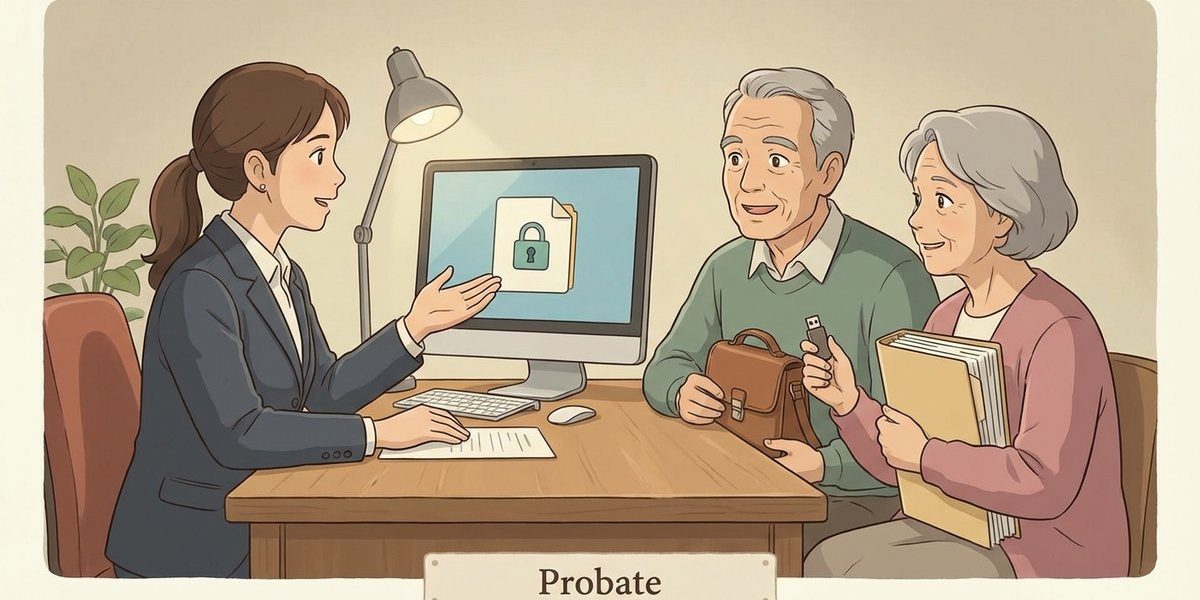
- Use a secure large-file method: Common options include (a) a secure portal link the firm provides, (b) a secure file-sharing link with password protection and expiration, or (c) delivering a USB drive. If a phone camera is used, create one file per document and capture every page, including signature and notarization pages.
- Preserve and deliver originals correctly: Keep the original will flat, unstapled if possible, and protected (no notes written on it). Arrange either (a) hand delivery to the firm, or (b) trackable shipping that requires signature. The lawyer can then coordinate the next step with the Clerk of Superior Court if probate is needed.
Exceptions & Pitfalls
- Sending only a copy and losing the original: A lawyer can often start by reviewing a scan, but losing the original will can create avoidable complications and delays.
- Using insecure sharing: Unencrypted email chains, open links, or shared family accounts can expose sensitive information and create disputes about what was sent and when.
- Incomplete scans: Missing pages, missing the self-proving affidavit/notary page, or cutting off signatures can slow down review and create questions about whether the document is complete.
- Family “race to the courthouse” dynamics: When relatives are already discussing becoming administrator/executor, quick, organized document delivery helps the lawyer advise on the correct role (executor under a will versus administrator when there is no will presented) and the next filing with the Clerk of Superior Court.
Conclusion
When estate files are too large to email, the practical solution is to send readable scans through a secure upload link or secure file-sharing method and separately arrange safe delivery of the original will. In North Carolina, probate is handled through the Clerk of Superior Court, and delays can increase the risk of confusion about who should serve as executor or administrator. The next step is to request a secure upload link from the law firm and send the will scan and supporting documents immediately, then schedule delivery of the original will as soon as the firm confirms how it should be handled.
Talk to a Probate Attorney
If a will needs to be reviewed quickly and the files are too large to email, our firm has experienced attorneys who can help set up a secure way to upload documents and explain the next probate steps and timelines in North Carolina. Call us today at [919-341-7055].
Disclaimer: This article provides general information about North Carolina law based on the single question stated above. It is not legal advice for your specific situation and does not create an attorney-client relationship. Laws, procedures, and local practice can change and may vary by county. If you have a deadline, act promptly and speak with a licensed North Carolina attorney.

