
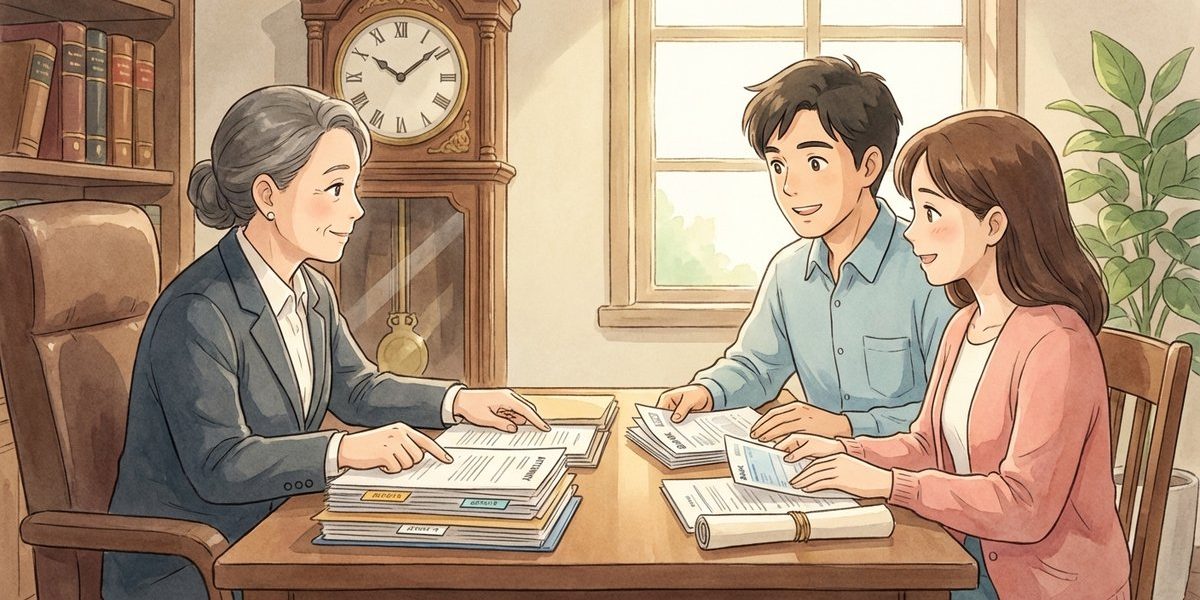
What documents should I gather before meeting with a probate attorney about a trust and an estate? – North Carolina
Short Answer
For a North Carolina probate consult involving both a trust and an estate, the most helpful items are the original will (if there is one), the trust document (and any amendments), a death certificate if available, and a basic list of assets and debts. Bringing recent statements for bank accounts, retirement accounts, life insurance, and real estate papers helps the attorney quickly sort what is part of the probate estate versus what may pass outside probate. If everything cannot be gathered by the next-day meeting, bringing what is readily available is still enough to start.
Understanding the Problem
In North Carolina probate, the key question is what paperwork and information should be assembled before meeting with a probate attorney to discuss a decedent’s trust and estate. The goal of the first meeting is usually to identify whether there is a valid will, whether a trust controls some assets, who has authority to act (executor, administrator, or trustee), and what property and debts exist so the correct next steps can be planned.
Apply the Law
North Carolina estate work often turns on a practical legal divide: assets that are part of the probate estate (handled through the Clerk of Superior Court) versus assets that transfer by contract or by title (often handled through beneficiary designations, joint ownership, or a trust). A probate attorney typically needs documents that show (1) who is legally in charge, (2) what assets exist and how they are titled, and (3) what debts and required notices may apply. Early organization also helps the personal representative or trustee meet reporting and administration obligations on time.
Key Requirements
- Authority documents: Papers that show who can act for the estate and/or trust (for example, a will naming an executor, or a trust naming a successor trustee).
- Asset and title information: Statements and records that show what exists and whether it is owned individually, jointly, or in a trust, and whether a beneficiary is named.
- Debt and expense information: Bills, loan statements, and funeral/administration expenses so the attorney can evaluate creditor issues and cash-flow needs.
What the Statutes Say
- N.C. Gen. Stat. § 31C-5 (Perfection of title; duty of personal representative) – Addresses a personal representative’s duty issues related to certain property title questions, which is one reason title documents and ownership records matter early.
Analysis
Apply the Rule to the Facts: Here, the consult is scheduled for the next day and the question is what to bring for a trust-and-estate probate meeting. The most useful approach is to bring (1) the documents that establish authority (will/trust), (2) a snapshot of assets and how they are titled (statements and deeds), and (3) a snapshot of debts and monthly bills. If only a few items can be gathered overnight, priority usually goes to the will/trust paperwork, any death certificate that is already available, and recent financial statements.
Process & Timing
- Who brings documents: The person expected to serve as executor/administrator and/or trustee (or the family member coordinating the meeting). Where: The probate attorney’s office; if an estate administration is needed, filings are typically made with the Clerk of Superior Court in the county where the decedent lived. What: Bring the original will (if available), the trust agreement and amendments, and a working list of assets and debts. When: For a next-day consult, bring what is readily available and follow up with missing items after the meeting.
- Next step: The attorney usually sorts assets into “probate” versus “non-probate/trust” categories, identifies who should qualify (if probate is needed), and provides a document request list tailored to the situation. Timing can vary by county and by how quickly institutions provide statements and date-of-death values.
- Final step: Once the correct person is appointed/acting and the asset picture is complete, the estate and/or trust administration proceeds with collecting assets, paying valid debts and expenses, and making distributions consistent with the will, trust, and North Carolina law.
Exceptions & Pitfalls
- Original documents missing: Not having the original will or the complete trust package (including amendments and restatements) can change the analysis and may require extra steps to prove what controls.
- Confusing “trust assets” with “estate assets”: A trust does not automatically control everything. Title and beneficiary designations often decide whether something is handled through probate, through the trust, or outside both.
- Incomplete asset picture: Missing retirement account, life insurance, or brokerage information can lead to incorrect assumptions about liquidity, beneficiaries, and what must be administered.
- Not bringing contact information: Having names, addresses, and basic identifying information for key people (fiduciaries and beneficiaries) helps the attorney plan notices, communications, and document preparation.
Conclusion
For a North Carolina meeting about a trust and an estate, the most important documents are the original will (if any), the trust agreement and amendments, a death certificate if available, and records showing assets, how they are titled, and what debts exist. Those items let a probate attorney quickly identify who has authority to act and what must go through the Clerk of Superior Court versus what may be handled through the trust or beneficiary designations. The next step is to gather and bring the will/trust paperwork and recent statements to the consultation as soon as possible.
Talk to a Probate Attorney
If you’re dealing with a loved one’s trust and estate and need to understand what documents matter and what timelines may apply, our firm has experienced attorneys who can help you understand your options and next steps. Call us today at [919-341-7055].
Disclaimer: This article provides general information about North Carolina law based on the single question stated above. It is not legal advice for your specific situation and does not create an attorney-client relationship. Laws, procedures, and local practice can change and may vary by county. If you have a deadline, act promptly and speak with a licensed North Carolina attorney.

