
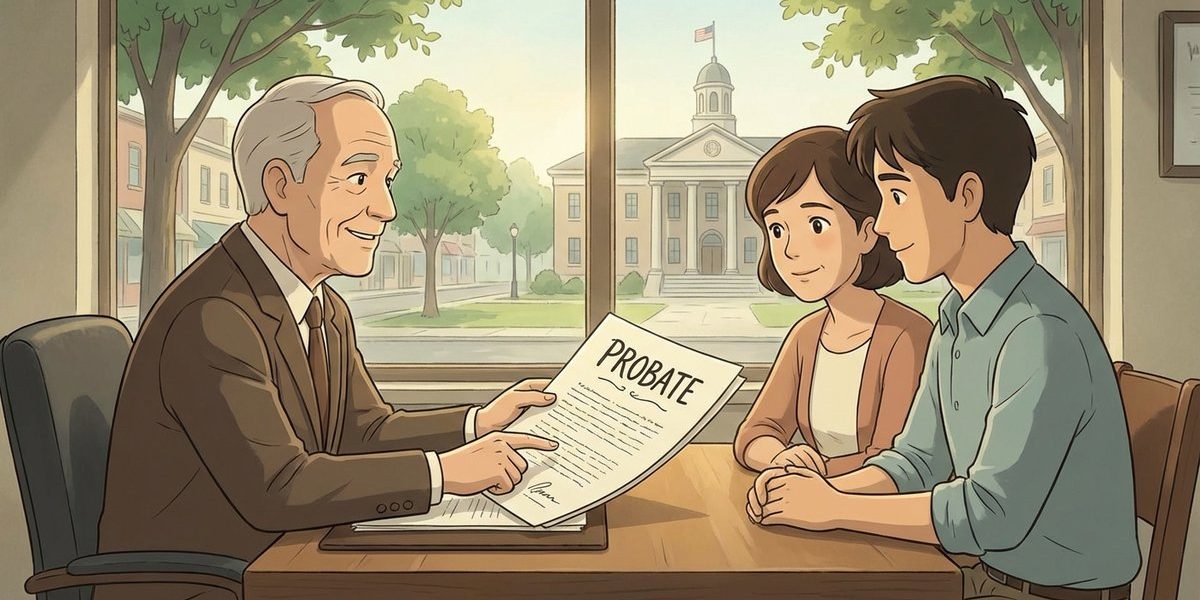
How can I check the status of my probate paperwork and confirm what documents still need to be submitted? – North Carolina
Short Answer
In North Carolina, probate and estate administration are handled through the Clerk of Superior Court (the “estate file”). The most reliable way to check status is to contact the Estates Division in the county where the estate is opened, provide the estate file number and the decedent’s name, and ask what has been filed and what is still due. If paperwork is being rejected (for example, because a notary will not notarize a document that appears back-dated), the next step is usually to confirm the correct form version and signature date requirements with the clerk and the attorney handling the filing.
Understanding the Problem
In a North Carolina estate, the key question is how to confirm what the Clerk of Superior Court has received in the probate file and what documents remain outstanding before a deadline. This typically comes up when a personal representative (executor or administrator) is trying to file signed or notarized forms, but something about the paperwork (such as dates or notarial wording) creates a filing delay. The goal is to identify the correct estate file, confirm what is already in the court record, and get a clear list of what the clerk still expects for the next stage of administration.
Apply the Law
North Carolina gives the Clerk of Superior Court original jurisdiction over probate of wills and administration of decedents’ estates, so the clerk’s estate file is the central “source of truth” for what has been filed and what deadlines are running. In most estates, the personal representative must file an inventory early in the administration and then file accountings (annual and final) as the estate is handled. Local clerk practices and checklists can vary by county, but the overall framework is consistent statewide.
Key Requirements
- Identify the correct estate file: The clerk’s office will usually need the decedent’s name and the estate file number to confirm filings and provide copies.
- Track the core filings: Most estates require an inventory (commonly treated as a “90-day inventory” in practice) and later accountings that show receipts and disbursements, supported by documentation.
- Use properly executed documents: If a form requires notarization, the signature and notarial certificate must match what the notary is allowed to notarize; a document that appears back-dated or altered can cause a notary to refuse and can delay filing.
What the Statutes Say
- N.C. Gen. Stat. § 7A-241 (Probate jurisdiction) – Places probate and estate administration under the Clerk of Superior Court’s authority.
Analysis
Apply the Rule to the Facts: The situation involves an estate matter with an upcoming deadline and paperwork that needs signatures and notarization. Because the clerk’s estate file controls what has been accepted, the practical solution is to confirm (1) the estate file number and county, (2) what documents are already stamped “filed,” and (3) what the clerk shows as missing or due next. If notarization is being blocked because the document appears to be dated in a prior year, the safest approach is usually to pause filing and correct the execution details rather than forcing a questionable notarization that could create bigger problems later.
For related guidance on checking what has been filed, see what the estate administrator has filed so far and when the court inventory will be filed.
Process & Timing
- Who checks status: The personal representative, an heir/beneficiary, or counsel (depending on what the clerk will release and any identification requirements). Where: The Estates Division of the Clerk of Superior Court in the county where the estate is opened. What: Request the current docket/filing list and copies of any filed inventory/accountings and related receipts. When: As soon as a deadline is approaching or a filing is rejected.
- Confirm what is “filed” versus “prepared”: A law office may have documents drafted, but the clerk’s file only reflects what has actually been submitted and accepted. Ask the clerk for the date-stamped filing history and whether any submission was rejected or returned for correction.
- Fix execution issues before resubmitting: If a notary refused to notarize because the document appears back-dated, the next step is usually to re-check the form version, re-print clean signature pages, and sign and notarize with current, accurate dates (or follow the clerk’s instructions if the form requires a specific “as of” date). Then re-file and confirm acceptance.
Exceptions & Pitfalls
- County-by-county filing practices: Clerks can have different local preferences for how supporting documents are organized and submitted, even when the underlying duties are the same.
- Notarization problems: A notary’s refusal is a warning sign. Submitting documents that look altered, back-dated, or inconsistently completed can delay acceptance and create credibility issues later.
- Mixing “status check” with separate issues: Questions about attorney fees in the estate and whether an estate-related loan or cash advance is possible are important, but they are usually separate from the clerk’s “what is missing from the file” question. Those topics often depend on the engagement agreement, the type of estate administration, and the lender’s requirements.
Conclusion
In North Carolina, the Clerk of Superior Court controls the probate estate file, so checking status starts with the Estates Division in the county where the estate is opened and confirming what is date-stamped as filed versus what is still due. The most common next filings include the inventory and later accountings, and execution details (signatures and notarization) must be clean and consistent to avoid rejection. Next step: request the estate’s current filing list from the clerk and then re-submit any corrected, properly notarized documents before the deadline.
Talk to a Probate Attorney
If you’re dealing with a probate deadline and uncertainty about what the clerk has received versus what still needs to be filed, our firm has experienced attorneys who can help you understand your options and timelines. Call us today at [919-341-7055].
Disclaimer: This article provides general information about North Carolina law based on the single question stated above. It is not legal advice for your specific situation and does not create an attorney-client relationship. Laws, procedures, and local practice can change and may vary by county. If you have a deadline, act promptly and speak with a licensed North Carolina attorney.

