
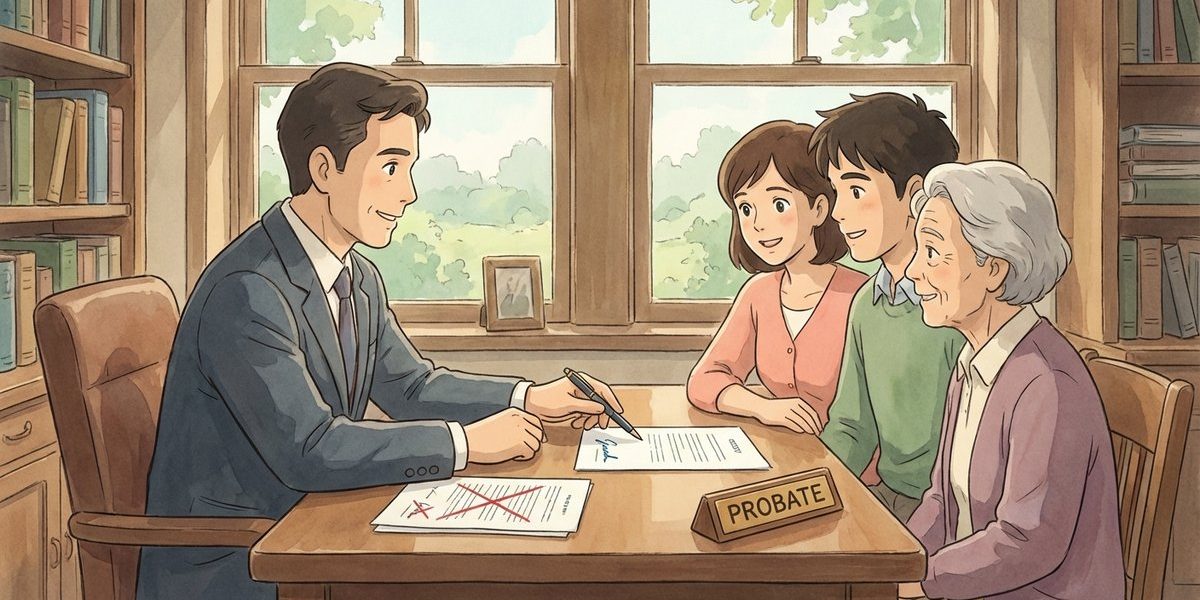
Will the court reject my forms if I crossed something out or made a mistake on a notarized document, and how do I fix it? – North Carolina
Short Answer
In North Carolina probate, the Clerk of Superior Court can reject or delay paperwork if a notarized document looks altered (for example, cross-outs, white-out, or handwritten changes) or if key information is inconsistent. The safest fix is usually to redo the affected page or document, have it signed again, and have it re-notarized with a clean notarial certificate. If the mistake is minor and clearly corrected before notarization, the Clerk may accept it, but relying on that can create avoidable closing delays.
Understanding the Problem
Under North Carolina probate practice, the decision point is whether a notarized estate form or affidavit that contains cross-outs or other visible changes is acceptable for filing with the Clerk of Superior Court (the judge of probate) or whether it must be redone to avoid rejection and delays. This comes up often when family members are assembling an administrator packet, waivers/renunciations, and supporting affidavits on a tight timeline for a real estate closing.
Apply the Law
North Carolina estate administration is handled through the Clerk of Superior Court, who has exclusive original jurisdiction over probate and estate administration matters. In practice, probate filings must be readable, internally consistent, and properly executed. Notarization matters because the notary’s certificate is the official statement that the signer personally appeared and acknowledged the signature (or signed under oath), and visible alterations can cast doubt on what was actually signed and notarized.
Key Requirements
- Clean, consistent record: Names, dates, capacities (for example, “Administrator of the Estate of …”), and checked boxes must match across the packet so the Clerk can process qualification without follow-up.
- Proper execution: The correct person must sign in the correct place, in the correct role, and any required supporting signatures (such as a sibling’s waiver/renunciation, if needed for priority) must be complete.
- Valid notarial certificate: The notarized page must include a completed acknowledgment or jurat that substantially complies with North Carolina’s statutory forms, including county, date, notary signature, and seal.
What the Statutes Say
- N.C. Gen. Stat. § 7A-241 (Probate jurisdiction) – Probate and estate administration are handled by the Clerk of Superior Court acting as judge of probate.
- N.C. Gen. Stat. § 10B-41 (Notary acknowledgment certificate) – Provides a statutory form that is sufficient for an acknowledgment when properly completed.
- N.C. Gen. Stat. § 10B-43 (Notary jurat/oath certificate) – Provides statutory forms that are sufficient for a sworn statement when properly completed.
Analysis
Apply the Rule to the Facts: The scenario involves an estate packet with affidavits and administrator paperwork that may have been mixed up and may contain cross-outs or errors, plus a possible dispute about who should serve as administrator and a time-sensitive real estate closing. Because qualification and supporting filings run through the Clerk of Superior Court, any document that looks altered after signing/notarization can trigger rejection or a request to redo paperwork, which can slow issuance of letters and delay the ability to sign closing documents in a representative capacity. If another sibling’s waiver/renunciation is required and that document also contains changes or missing information, the Clerk may not treat it as effective, which can also delay appointment.
Process & Timing
- Who files: The person seeking to qualify (often the proposed administrator) and, when required, other heirs signing supporting waivers/renunciations. Where: The Clerk of Superior Court (Estates) in the county where the estate is opened in North Carolina. What: A clean replacement page or replacement document (not a marked-up copy), signed again by the correct person(s), and notarized again with a complete notarial certificate. When: Before filing, and before any closing date that depends on letters/authority.
- How to fix common notarized-document mistakes: If the change affects a name, date, capacity, checked box, or any statement the signer is swearing to, the safest approach is to reprint and re-execute the document. If the mistake is caught before notarization, the document can usually be corrected and then signed in front of the notary on the corrected version so the notarization matches what is on the page.
- Confirm acceptance before relying on it for a closing: If there is any doubt (for example, cross-outs near the signature block, changes to the decedent’s name, or changes to who is serving), it is typically faster to redo the document than to file and wait for the Clerk to issue a rejection or request for correction.
Exceptions & Pitfalls
- Cross-outs after notarization: Changes made after the notary act (or that look like they were made after) can create doubt about what was acknowledged or sworn to, which is a common reason Clerks ask for a clean re-execution.
- Mixing up documents: A frequent problem is a signature page from one form attached to another, or an acknowledgment attached to a document that actually needed a sworn jurat (or vice versa). That mismatch can lead to rejection and re-notarization.
- Sibling disputes and priority: If a sibling who has equal or higher priority to serve does not sign a waiver/renunciation (or signs an unclear/altered one), the Clerk may require additional steps, and the matter can shift toward a contested estate proceeding, which is rarely compatible with a fast closing timeline.
For readers also dealing with sibling signatures and administrator priority, it can help to review whether other siblings have to sign paperwork before an administrator application can move forward, and whether a renunciation must be notarized for the specific form being used.
Conclusion
In North Carolina probate, the Clerk of Superior Court can reject or delay estate filings when a notarized document appears altered or contains errors that make the record unclear. The most reliable fix is to prepare a clean replacement document (or page), have the correct person sign again, and have it notarized again using a proper North Carolina notarial certificate. The most important next step is to redo and re-notarize any document with meaningful cross-outs before filing it with the Clerk, so qualification and any closing-related paperwork are not delayed.
Talk to a Probate Attorney
If a probate packet has notarized forms with cross-outs, mixed-up pages, or a sibling dispute that could delay appointment of an administrator and affect a property closing, our firm has experienced attorneys who can help clarify the filing steps and timelines. Call us today at [CONTACT NUMBER].
Disclaimer: This article provides general information about North Carolina law based on the single question stated above. It is not legal advice for your specific situation and does not create an attorney-client relationship. Laws, procedures, and local practice can change and may vary by county. If you have a deadline, act promptly and speak with a licensed North Carolina attorney.

