
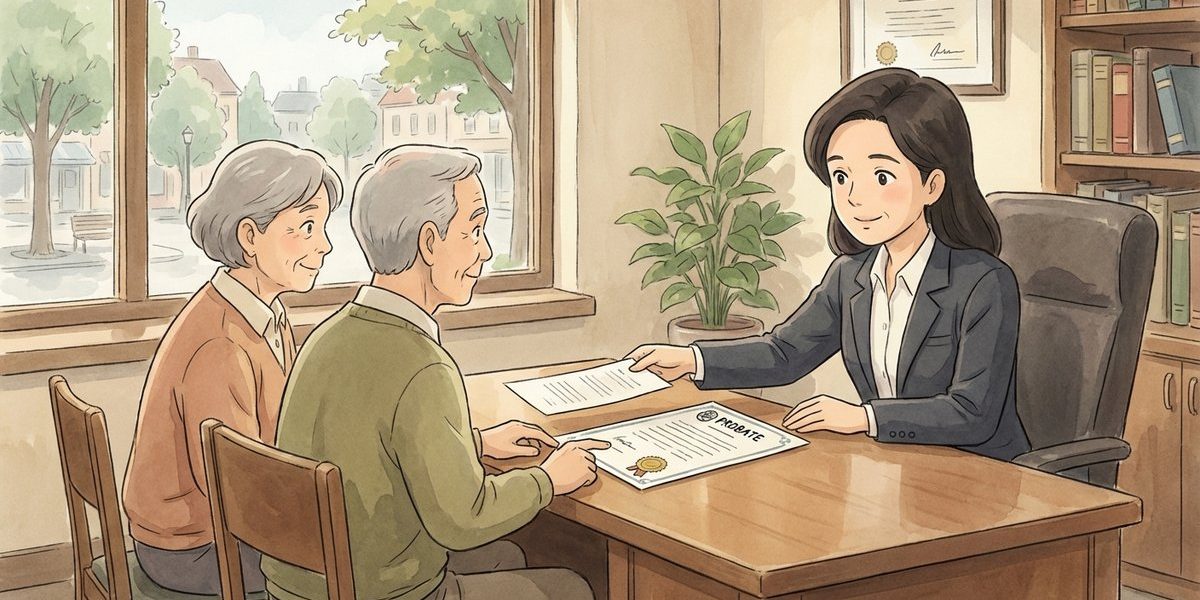
How do I get access to important records like the death certificate and other documents needed to settle my child’s affairs? – North Carolina
Short Answer
In North Carolina, a parent can usually obtain a certified copy of an adult child’s death certificate through the county Register of Deeds (or the State Registrar) because parents are among the people eligible to receive certified copies. For many “next steps” (banks, landlords, schools, insurance, vehicle title issues), institutions often require not just the death certificate, but also probate “Letters” showing who has legal authority to act for the estate. The Clerk of Superior Court in the county where the estate is administered issues those Letters after a personal representative qualifies.
Understanding the Problem
In North Carolina probate, the key question is often: can a parent get the documents needed to prove the death and show legal authority to handle an adult child’s remaining affairs when the child lived away from home at the time of death? This typically involves obtaining certified copies of the death certificate and then determining whether a Clerk of Superior Court must appoint a personal representative so that third parties will release information, close accounts, or transfer property.
Apply the Law
North Carolina treats death certificates as “vital records.” A certified copy is not available to the general public, but it is available to certain people, including close family members such as a parent, and to people who need the record for a legal determination of personal or property rights. Separately, when an institution needs proof of authority (not just proof of death), North Carolina probate law uses “Letters Testamentary” (if there is a will) or “Letters of Administration” (if there is no will). Those Letters come from the Clerk of Superior Court, who has probate jurisdiction.
Key Requirements
- Eligibility to receive a certified death certificate: A parent of the deceased generally qualifies to request a certified copy, but must follow the vital records request process and provide required identification and details.
- Proof of authority for estate business: Many organizations will not act on a death certificate alone; they often require probate “Letters” showing who the personal representative is.
- Correct office and correct county: Death certificates are commonly obtained through the Register of Deeds in the county where the death occurred, while probate Letters are issued by the Clerk of Superior Court in the county where the estate is administered.
What the Statutes Say
- N.C. Gen. Stat. § 130A-93 (Access to vital records; copies) – Limits certified copies of vital records (including death certificates) to certain people, including close family members and those seeking information for a legal determination of rights.
- N.C. Gen. Stat. § 130A-99 (Register of deeds to preserve copies of birth and death records) – Requires the county Register of Deeds to preserve death certificate copies and provides for issuing certified copies to eligible requesters.
- N.C. Gen. Stat. § 7A-241 (Probate jurisdiction) – Places probate and estate administration under the Superior Court division, exercised by the Clerk of Superior Court.
Analysis
Apply the Rule to the Facts: Because the death involved an adult child who lived away from home for school, the first practical step is usually obtaining multiple certified copies of the death certificate from the county where the death occurred. That certified certificate often unlocks basic tasks (notifying creditors, insurance claims, school records processes), but many institutions will still require probate Letters before releasing account details or transferring property. If the child had accounts, a vehicle, or other property titled only in the child’s name, qualifying a personal representative through the Clerk of Superior Court is commonly what provides the authority needed to act.
Process & Timing
- Who requests the death certificate: A parent (or an authorized agent/attorney). Where: The Register of Deeds in the North Carolina county where the death occurred (or the State Registrar). What: A request for certified copies of the death certificate, with required identification and payment. When: As soon as possible, because many organizations require a certified copy before they will even discuss next steps.
- Confirm accuracy early: Review the death certificate carefully for spelling, dates, and other identifying details. Even small errors can cause delays with benefits, insurance, and account closures, and corrections can take time.
- Get probate “Letters” if third parties demand authority: Who files: The person seeking to serve as personal representative (often a parent, depending on whether there is a will and other family circumstances). Where: The Clerk of Superior Court (Estates). What: An application to probate the will and be appointed (if there is a will) or an application to be appointed administrator (if there is no will). When: Often done early if banks, landlords, or other institutions refuse to act on a death certificate alone.
Exceptions & Pitfalls
- Assuming a death certificate alone is enough: Many organizations will accept a certified death certificate to confirm the death, but still require probate Letters before releasing funds, providing detailed account information, or transferring title.
- Not ordering enough certified copies: It is common for multiple institutions to require an original certified copy. Ordering too few can slow the process later.
- Errors on the certificate: Misspellings or incorrect identifying details can trigger rejections. Fixing the record can take time, so checking it immediately matters.
- Using informal “permission” instead of legal authority: Even when family members agree, third parties often will not accept family consent as authority. They usually want probate Letters or other formal documentation.
Conclusion
In North Carolina, a parent can usually obtain a certified copy of an adult child’s death certificate through the Register of Deeds (or the State Registrar), and that certificate is often the first document needed to start settling affairs. When an institution requires proof of legal authority (not just proof of death), the next step is typically to qualify a personal representative and obtain probate Letters from the Clerk of Superior Court. The practical next step is to request multiple certified death certificates right away and then file for Letters with the Clerk if any third party requires them.
Talk to a Probate Attorney
If a family is dealing with the loss of an adult child and institutions are requesting certified records or probate Letters to release information or property, our firm has experienced attorneys who can help explain the options and timelines. Call us today at [919-341-7055].
Disclaimer: This article provides general information about North Carolina law based on the single question stated above. It is not legal advice for your specific situation and does not create an attorney-client relationship. Laws, procedures, and local practice can change and may vary by county. If you have a deadline, act promptly and speak with a licensed North Carolina attorney.

