
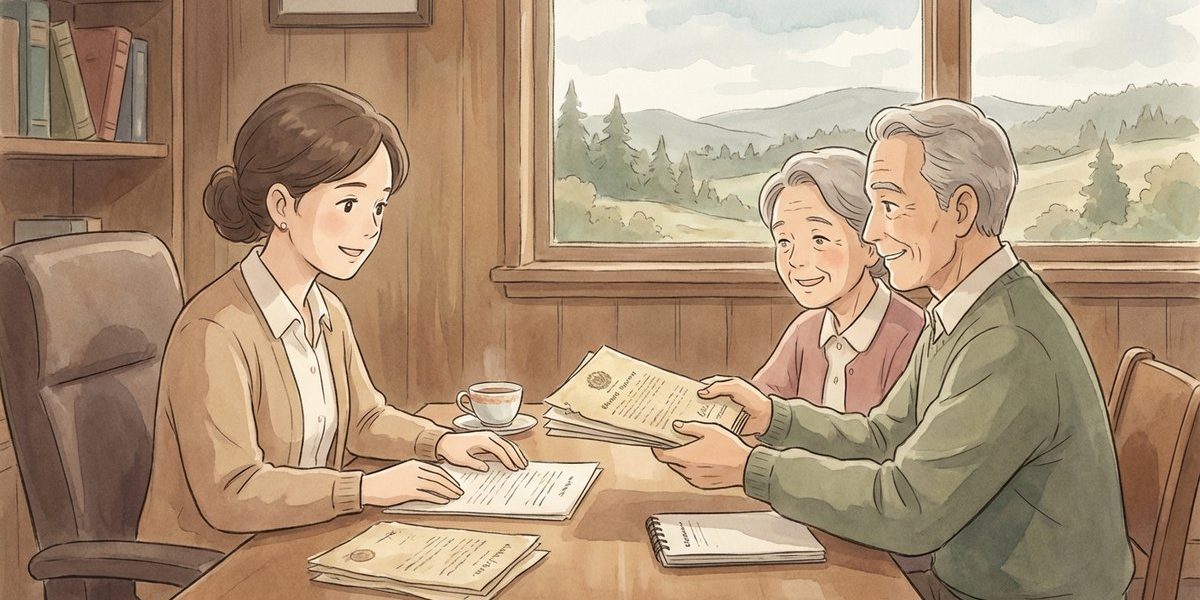
What documents do I need to provide a lawyer to discuss an estate case? – North Carolina
Short Answer
For a first conversation about a North Carolina estate, a lawyer can usually give meaningful guidance with a few core items: the death certificate (if available), the original will (if there is one), and a basic list of family members and assets. If the goal is to start an estate administration with the Clerk of Superior Court, the lawyer will also want contact information for heirs/beneficiaries and documents showing how major assets are titled (bank, real estate, retirement, and life insurance). If some documents are missing, the discussion can still happen, but the lawyer may give a shorter “next steps” plan until key paperwork is located.
Understanding the Problem
In a North Carolina probate matter, the practical question is what paperwork and information a lawyer needs to evaluate whether an estate administration is required and, if so, what type of estate filing should be made with the Clerk of Superior Court after a death. The decision point is whether enough documents exist to confirm (1) whether there is a will and (2) what property is part of the probate estate versus property that passes outside the estate. The goal of the first meeting is usually to identify what must be filed, who has priority to serve as personal representative, and what information must be gathered before the clerk will issue authority to act.
Apply the Law
In North Carolina, most estate administrations run through the Estates Division of the Clerk of Superior Court in the county where the decedent lived. The clerk’s office issues “letters” (authority documents) to the personal representative (executor if there is a will; administrator if there is no will). A lawyer typically needs documents that let the lawyer (and later the clerk) confirm the decedent’s identity and domicile, determine whether the decedent died testate (with a will) or intestate (without a will), identify the correct heirs or beneficiaries, and understand what assets may require probate authority to collect and manage.
Key Requirements
- Proof of death and basic identity: Information that confirms the decedent’s legal name, date of death, and last residence so the correct county clerk’s office and file can be identified.
- Will status (testate vs. intestate): The original will (and any codicils) if one exists, or enough information to proceed as an intestate estate if no will can be found.
- People and property list: A working list of heirs/beneficiaries and a snapshot of assets and debts so the lawyer can explain what is likely “probate” versus “non-probate” and what steps come next.
What the Statutes Say
- N.C. Gen. Stat. Chapter 28A (Administration of Decedents’ Estates) – Sets out the framework for qualifying a personal representative and administering an estate through the clerk.
- N.C. Gen. Stat. § 28A-2A-2 (Duty to present will; timing and notice) – Addresses presenting a will for probate and a key timing rule that can affect who may apply if the named executor does not act.
- N.C. Gen. Stat. § 28A-8-1 (Bond requirement; exceptions) – Explains when a bond may be required for an administrator and when it may be waived under certain conditions.
Analysis
Apply the Rule to the Facts: Here, a caller wants to discuss the estate of a deceased person. To make that discussion productive, the lawyer will first try to confirm whether there is an original will and where it is located, because that changes who can serve and what gets filed with the Clerk of Superior Court. Next, the lawyer will want a basic family tree and a rough asset list, because those facts drive whether an estate administration is needed and what information must be assembled for the clerk’s intake and later filings.
Process & Timing
- Who files: Usually the person seeking to serve as executor (if there is a will) or administrator (if there is no will). Where: Estates Division of the Clerk of Superior Court in the county where the decedent lived in North Carolina. What: The probate/qualification application and supporting documents (commonly including the original will if testate, a certified death certificate, and heir/beneficiary information). When: As soon as practical after death, especially if assets need to be accessed or bills must be handled.
- Information-gathering: The lawyer typically reviews asset titling (sole name vs. joint vs. beneficiary designation) and identifies what is likely probate property. If the proposed personal representative is not a North Carolina resident, additional paperwork may be needed (for example, appointing a resident process agent), and the clerk may require a bond depending on the situation.
- Authority issued: Once the clerk accepts the filing and the personal representative qualifies, the clerk issues letters (letters testamentary or letters of administration). Those letters are what banks and other institutions often require before releasing probate assets.
Exceptions & Pitfalls
- Only copies of the will: Many estates stall because only a photocopy exists. A lawyer can still advise on next steps, but the plan may change depending on whether the original can be located.
- Missing asset titling details: A list like “house, bank account, retirement” is a start, but the title/beneficiary details matter. Bringing deeds, statements, and beneficiary pages avoids wrong assumptions about what is probate property.
- Nonresident personal representative issues: If the person who wants to serve lives outside North Carolina, extra requirements may apply, and bond issues can become a practical barrier if not planned for early.
Conclusion
To discuss a North Carolina estate case, the most helpful documents are the certified death certificate (if available), the original will and any codicils (if they exist), and a clear list of heirs/beneficiaries plus a snapshot of assets and debts with proof of how major assets are titled. Those items let a lawyer assess whether an estate administration is needed and what must be filed with the Clerk of Superior Court. The most important next step is to locate the original will and bring it to counsel promptly, because timing can affect who may apply to probate it.
Talk to a Probate Attorney
If a family is dealing with the estate of a deceased person and needs to understand what paperwork matters and what should be filed with the Clerk of Superior Court, our firm has experienced attorneys who can help explain options and timelines. Call us today at 919-341-7055.
Disclaimer: This article provides general information about North Carolina law based on the single question stated above. It is not legal advice for your specific situation and does not create an attorney-client relationship. Laws, procedures, and local practice can change and may vary by county. If you have a deadline, act promptly and speak with a licensed North Carolina attorney.

