
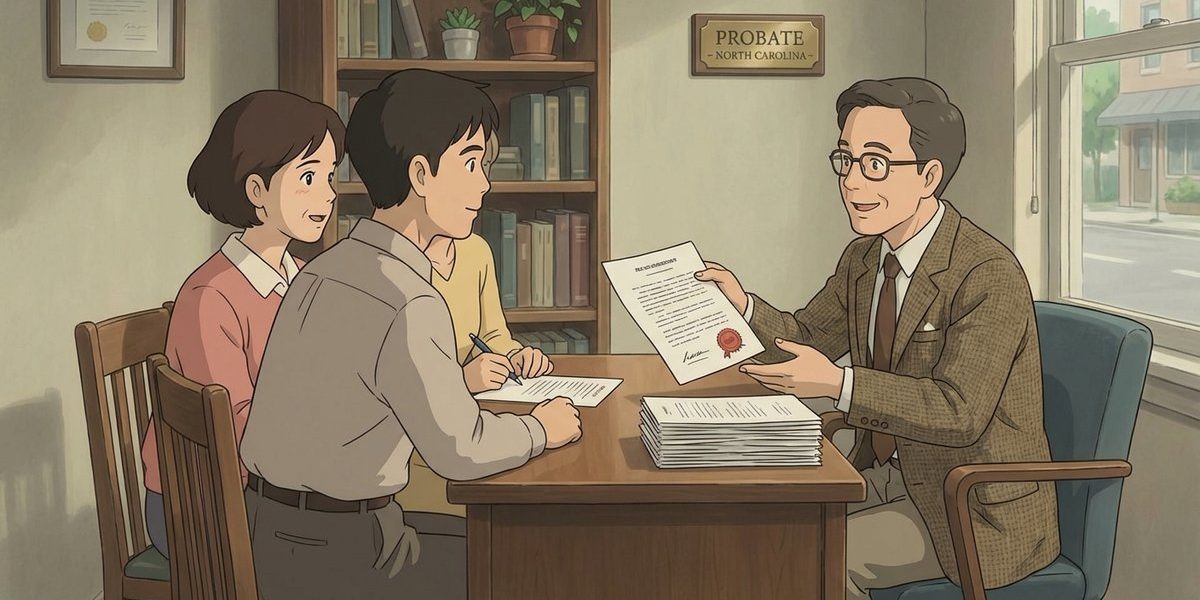
What happens if the representation paperwork lists the wrong role for me in the estate matter? – North Carolina
Short Answer
In North Carolina, if an engagement letter or other representation paperwork lists the wrong role (for example, calling someone an “heir” when the person is really pursuing a property claim), the safest approach is to correct it in writing right away. The label can affect what the lawyer is agreeing to do, what information is requested from the Clerk of Superior Court file, and how conflicts are evaluated. A corrected engagement letter (or written amendment) usually fixes the problem going forward, but it does not automatically change anyone’s legal status in the estate.
Understanding the Problem
In a North Carolina probate matter, what happens if a law firm’s engagement letter describes the client as an “heir” even though the client is not an heir and is instead pursuing a claim to a specific estate asset (such as a vehicle)? Can the paperwork be changed to reflect representation as a “claimant,” and what practical problems can happen if the role stays wrong?
Apply the Law
North Carolina estate matters are typically handled through the Clerk of Superior Court in the county where the estate is opened. A person’s legal status in the estate (heir, devisee, creditor/claimant, or other “interested person”) depends on the facts and the law, not on what an engagement letter calls that person. But the engagement letter matters because it defines the scope of the attorney-client relationship: what the lawyer is retained to do, what communications are expected, and what positions the lawyer is being asked to take in the estate proceeding.
Key Requirements
- Correct identification of the client’s capacity: The representation should match the real role (for example, claimant to a vehicle or creditor-type claim) so the lawyer’s duties and strategy align with the client’s objective.
- Clear scope of work: The paperwork should state whether the lawyer is handling an estate administration, a claim against the estate, a dispute over a specific asset, or limited tasks (like communicating with the personal representative or filing a petition/motion).
- Consistency with the probate forum and deadlines: Many estate steps run on strict timelines (including claim-related deadlines), so the engagement should match the procedural path the matter is likely to take in the Clerk’s office or in a related civil action.
What the Statutes Say
- N.C. Gen. Stat. § 1-255 (Declaratory judgments; who may seek a declaration in estate administration) – Allows certain “interested” persons (including heirs and creditors) to ask a court to declare rights or legal relations in an estate administration context.
Analysis
Apply the Rule to the Facts: The facts describe a client who is not an heir but is pursuing a claim to a vehicle connected to an estate. If the engagement letter incorrectly says “heir representation,” it can create confusion about the scope (for example, whether the lawyer is representing someone as a beneficiary in the estate administration versus pursuing a property claim). Updating the paperwork to “claimant” helps align the lawyer’s work with the actual objective: asserting a claim to the vehicle and communicating with the personal representative and/or the Clerk of Superior Court as needed.
Process & Timing
- Who requests the correction: The client (or the client and the firm together). Where: With the law firm handling the matter (not the courthouse). What: A written amendment/addendum to the engagement letter (or a corrected engagement letter) that states the client is represented as a “claimant” to the vehicle (or similar wording) and clarifies what tasks are included and excluded. When: As soon as the issue is noticed, and before the firm takes any filing or sends any demand letter that relies on the wrong role.
- Confirm the procedural track: The firm should confirm whether the issue is being handled inside the estate file before the Clerk of Superior Court, through communication and documentation with the personal representative, through a DMV title-transfer process for a decedent’s vehicle, or through a separate civil action. The correct track affects what documents are needed and what deadlines apply.
- Preserve proof and communications: Keep a copy of the corrected engagement paperwork and any written instructions about the goal (for example, “pursue a claim to the vehicle, not heirship”). If the matter later involves filings, the corrected scope helps avoid inconsistent positions and reduces the risk of delay.
Exceptions & Pitfalls
- Confusing “paperwork role” with “legal status”: Changing an engagement letter does not make someone an heir or a claimant; it only clarifies what the lawyer is hired to do. Legal status depends on the underlying facts and North Carolina law.
- Scope creep: If the letter says “heir representation,” it may imply broader estate-administration tasks (or beneficiary-rights advice) that are not part of a vehicle-claim dispute. That can lead to misunderstandings about fees, deliverables, and what the lawyer will file.
- Conflict and alignment issues: An “heir” framing can suggest interests aligned with beneficiaries, while a “claimant” framing can be adverse to the estate or to heirs. If the role is wrong, the firm may miss a conflict issue or delay addressing it.
- Wrong documents requested or filed: Estate administration uses specific forms and procedures, and vehicle-related transfers can involve separate DMV steps. A mislabeled role can cause the wrong documents to be gathered first, which wastes time.
For more on communicating a non-heir issue to the right person in an estate matter, see how to submit a claim or issue to the right contact.
Conclusion
If representation paperwork in a North Carolina estate matter lists the wrong role (such as “heir” instead of “claimant”), the main risk is confusion about the scope of representation and the procedural steps the lawyer is expected to take. The label does not control legal status, but it can affect strategy, communications, and conflict analysis. The most practical next step is to sign a written amendment correcting the role and scope promptly so any claim-related steps can be evaluated and taken on time.
Talk to a Probate Attorney
If there is a dispute about how representation is described in an estate-related matter (for example, a vehicle claim that should be handled as a claimant matter rather than an heir matter), our firm has experienced attorneys who can help clarify the scope, the process, and the timelines. Call us today at [CONTACT NUMBER].
Disclaimer: This article provides general information about North Carolina law based on the single question stated above. It is not legal advice for your specific situation and does not create an attorney-client relationship. Laws, procedures, and local practice can change and may vary by county. If you have a deadline, act promptly and speak with a licensed North Carolina attorney.

