
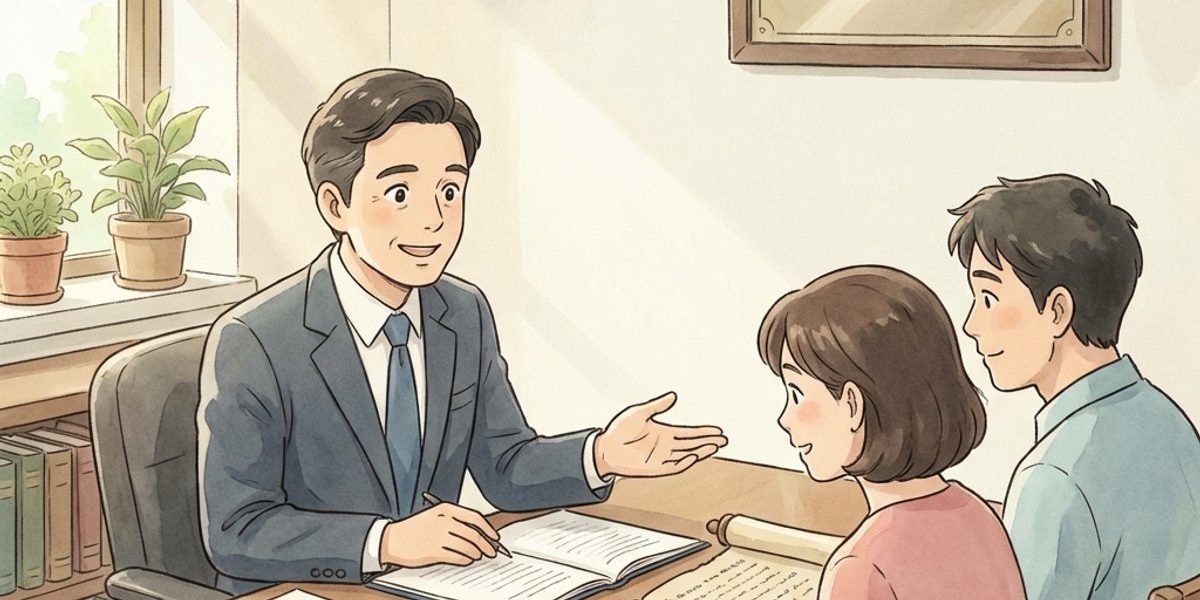
If someone files a partition case over inherited property, can probating the will pause or stop the partition? – North Carolina
Short Answer
In North Carolina, probating a newly found will does not automatically pause or stop a partition case. But probate can change who the legal owners are, and that can affect who has standing to file partition and what shares each person owns. In some situations, the clerk or judge handling the partition can slow the case down or require title issues to be sorted out first, especially if the will changes ownership or triggers a will contest.
Understanding the Problem
In North Carolina, when family members inherit real estate together, one co-owner can file a partition case to force the property to be divided or sold. The question is whether a later probate filing—such as an older will that was never submitted—can pause or stop that partition case. The key decision point is whether the probate filing changes who owns the property (and in what percentages) compared to the “heirs-at-law” ownership that usually applies when no will is on record.
Apply the Law
Partition in North Carolina is a special proceeding, typically handled through the Clerk of Superior Court (and sometimes transferred to a judge for certain issues). A partition case generally assumes the parties are current co-owners (tenants in common or joint tenants) and asks the court to divide the property or order a sale. Probate matters because a will, once properly probated, can determine who the owners are as of the date of death (subject to estate administration needs), which can change who should be in the partition case and what each person’s share is.
Key Requirements
- Co-ownership: Partition requires that the parties have ownership interests in the same property at the same time (for example, multiple heirs or devisees owning as tenants in common).
- Proper parties and shares: The partition case should include the correct owners and reflect the correct percentage interests; probate of a will can change both.
- Estate administration overlay: Even when title vests in heirs or devisees at death, a personal representative may need to control or deal with the property to pay debts, taxes, and expenses, which can complicate timing and authority while probate is pending.
What the Statutes Say
- N.C. Gen. Stat. § 46A-1 (Partition is a special proceeding) – Establishes that partition is handled as a special proceeding with its own procedure.
- N.C. Gen. Stat. § 46A-52 (Partition where title disputed) – Allows partition to move forward even if some ownership claims are disputed, with the dispute potentially decided later in the same or a separate proceeding.
- N.C. Gen. Stat. § 31-39 (Probate necessary to pass title; limits against purchasers/lien creditors) – Explains when a will is effective to pass title and sets important timing rules that can affect real estate title if a will is offered late.
- N.C. Gen. Stat. § 31-32 (Caveat timing) – Sets the general time window for filing a caveat (will contest) after probate in common form, which can affect whether probate becomes contested and slows related property litigation.
Analysis
Apply the Rule to the Facts: The facts describe a later-discovered older will that was not submitted when the relative died, and concern about whether it can still be filed and accepted now—especially if an estate may have been opened long ago. If a partition case is filed based on “heirs” ownership, and the will (once probated) names different devisees or different shares, the partition case may need to be amended to substitute the correct owners and percentages. Probate alone usually does not “stop” partition automatically, but it can create a title dispute or party problem that the partition court must address before a sale or division can safely proceed.
Process & Timing
- Who files: The person holding the will (or another interested person) files to probate the will. Where: The Clerk of Superior Court in the county with jurisdiction over the decedent’s estate in North Carolina. What: An application to probate the will and open (or reopen) estate administration if needed. When: As soon as possible after the will is located, especially if a partition case is already pending.
- Coordinate with the partition case: The party seeking to rely on the will typically files notice in the partition file and may request that the partition proceeding be paused, limited, or amended while the clerk determines the will’s status and the correct owners/shares.
- Update parties and title path: If the will is admitted, the partition case may proceed with the devisees as the proper co-owners (and with corrected percentage interests). If the will becomes contested (a caveat), the partition case often becomes harder to move forward cleanly until the ownership dispute is resolved.
Exceptions & Pitfalls
- Probate does not automatically stay partition: A later probate filing may be a strong reason to ask the partition court to slow down, but the court can still move the case forward in some circumstances, including when title disputes exist. See N.C. Gen. Stat. § 46A-52.
- Late-probated will and real estate title issues: A will can be effective to pass title once duly probated, but North Carolina law has special timing rules that can limit how an unprobated will affects third parties (like purchasers or lien creditors) after certain events or time periods. See N.C. Gen. Stat. § 31-39.
- Wrong parties in the partition case: If the partition petition names “heirs” but the will names different devisees, the case can stall, require amendments, or risk an order that is later challenged because the correct owners were not included.
- Estate administration needs can complicate timing: Even when heirs/devisees hold title, a personal representative may need to take control of real property to pay debts, taxes, and expenses. If that is in play, the partition strategy often needs to account for the estate file and creditor process before pushing a sale.
- Will contest risk: If someone files a caveat, the dispute can shift from “how to divide/sell” to “which document controls,” and that often affects how quickly any partition sale can proceed.
For more background on how partition and probate can overlap, see move forward with partition even if the estate is never probated and use an unprobated will to prove an heir’s interest in real property.
Conclusion
In North Carolina, filing to probate a later-discovered will usually does not automatically pause or stop a pending partition case, but it can change who the legal co-owners are and what shares they own, which can force changes to the partition case and may justify a pause while ownership is clarified. A key related deadline is that a will probated in common form can generally be contested by caveat within three years. The next step is to file the will with the Clerk of Superior Court and promptly notify the partition court so the correct parties and shares are addressed before any sale or division.
Talk to a Probate Attorney
If a partition case is moving forward and a will is discovered later, timing and procedure matter because probate can change ownership and who should be in the case. Our firm has experienced attorneys who can help explain options and timelines under North Carolina law. Call us today at [919-341-7055].
Disclaimer: This article provides general information about North Carolina law based on the single question stated above. It is not legal advice for your specific situation and does not create an attorney-client relationship. Laws, procedures, and local practice can change and may vary by county. If you have a deadline, act promptly and speak with a licensed North Carolina attorney.

