
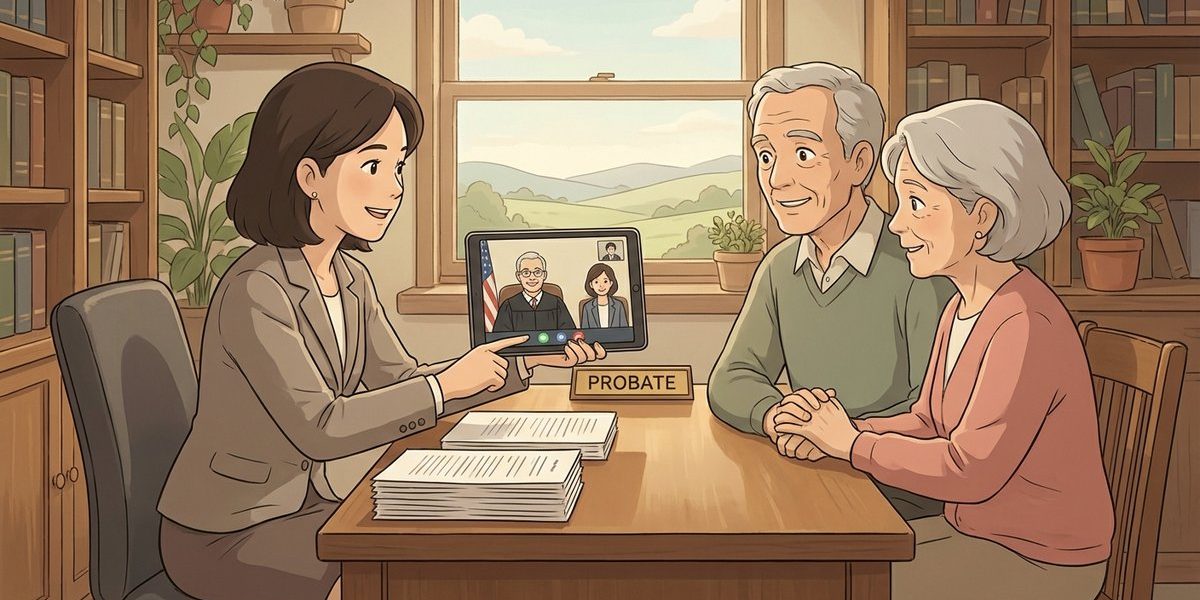
Do I need to go to court in person for probate, or can it be handled remotely? – North Carolina
Short Answer
In North Carolina, many probate tasks are handled through the Clerk of Superior Court and may not require an in-person court appearance at all. If a hearing is required, the judicial official can often allow the matter to be handled by audio-video transmission (remote appearance), but the clerk or judge can require an in-person hearing depending on the issue and local practice. When a remote hearing is used in a civil matter, a party can object and the court may require an in-person setting if there is good cause.
Understanding the Problem
In North Carolina probate, the key question is whether the estate matter requires a formal hearing before the Clerk of Superior Court (acting as the judge of probate) or whether it can be handled through filings and clerk review without a hearing. If a hearing is required, the next decision is whether the clerk will allow participation by video or require an in-person appearance. The answer often turns on whether the matter is routine and uncontested or whether it is a contested estate proceeding that needs testimony, evidence, and formal notice to interested persons.
Apply the Law
North Carolina gives the Clerk of Superior Court primary authority over probate of wills and administration of decedents’ estates. Many steps in estate administration are handled through paperwork filed with the Estates Division, but some issues must be decided in a formal estate proceeding where the clerk makes findings of fact and conclusions of law. When a hearing is held, North Carolina law generally allows judicial officials to conduct proceedings by audio and video transmission, with safeguards for fairness and the ability to communicate with counsel.
Key Requirements
- Identify the forum: Most probate administration happens before the Clerk of Superior Court (Estates), not a jury courtroom.
- Determine whether a hearing is required: Routine, uncontested administration often proceeds by filing and clerk review; contested issues commonly require a scheduled hearing with notice and service rules.
- Confirm the appearance format: If a hearing is scheduled, the clerk or judge may allow remote appearance by approved video technology, but can require in-person attendance depending on the circumstances and any objection.
What the Statutes Say
- N.C. Gen. Stat. § 7A-241 (Probate jurisdiction) – Probate of wills and administration of estates are handled in Superior Court and exercised by the Clerk of Superior Court as judge of probate.
- N.C. Gen. Stat. § 1-301.3 (Clerk decides trust and estate matters; appeal) – The clerk determines issues of fact and law in covered estate matters and enters orders; appeals generally require quick action after service of the order.
- N.C. Gen. Stat. § 7A-49.6 (Proceedings by audio and video transmission) – Judicial officials may conduct proceedings by two-way audio-video; in civil matters a party may object and the court can require in-person proceedings if good cause is shown.
Analysis
Apply the Rule to the Facts: The facts describe a caller seeking help with a North Carolina probate matter and scheduling a phone appointment with an attorney. That situation commonly starts with determining whether the matter is routine estate administration (often handled through filings with the Clerk of Superior Court) or whether it involves a dispute that triggers a formal hearing. If a hearing is needed, the next step is confirming with the clerk’s office whether the hearing will be remote or in person and whether any party plans to object to a remote format.
Process & Timing
- Who files: Usually the personal representative (executor/administrator) or an interested person through counsel. Where: The Estates Division of the Clerk of Superior Court in the county where the estate is opened. What: Estate filings and, if there is a dispute, a petition/estate proceeding paperwork and notice documents required by the clerk. When: Timing depends on the issue; if an order is entered in a covered estate matter, an appeal deadline can be as short as 10 days after service of the order.
- Hearing decision: If the matter is uncontested, the clerk may be able to decide it based on filings or in a brief clerk hearing; if contested, the clerk typically schedules a formal hearing and requires proper notice/service on required parties.
- Remote vs. in-person: If a hearing is set, the clerk or judge may allow appearance by approved audio-video technology. If a party objects in a civil matter and shows good cause, the clerk/judge can require an in-person hearing instead.
Exceptions & Pitfalls
- Contested issues can change everything: When an estate dispute requires evidence, witness testimony, or formal findings, the clerk may require a formal hearing and may be less willing to decide the issue purely “on the papers.”
- Assuming “remote” means “no preparation”: Even remote hearings are formal proceedings. Evidence, exhibits, and witness availability still matter, and the clerk can apply courtroom-style rules and expectations.
- Notice/service problems: In contested estate proceedings, missing a required party, using the wrong service method, or failing to give proper notice can delay the hearing or put an order at risk later.
Conclusion
In North Carolina probate, many matters are handled through filings with the Clerk of Superior Court and may not require an in-person court appearance. If a hearing is required, the clerk or judge can often conduct it remotely by audio-video transmission, but an in-person appearance may be required depending on the issue and any good-cause objection. A key deadline to keep in mind is that an appeal from certain clerk orders can be due within 10 days after service. Next step: confirm with the Clerk of Superior Court whether the matter requires a hearing and whether the hearing will be remote or in person.
Talk to a Probate Attorney
If a probate matter may require a clerk hearing (or a remote hearing) and there is uncertainty about what must be filed, who must receive notice, and how quickly deadlines run, our firm has experienced attorneys who can help explain options and timelines. Call us today at [919-341-7055].
Disclaimer: This article provides general information about North Carolina law based on the single question stated above. It is not legal advice for your specific situation and does not create an attorney-client relationship. Laws, procedures, and local practice can change and may vary by county. If you have a deadline, act promptly and speak with a licensed North Carolina attorney.

