
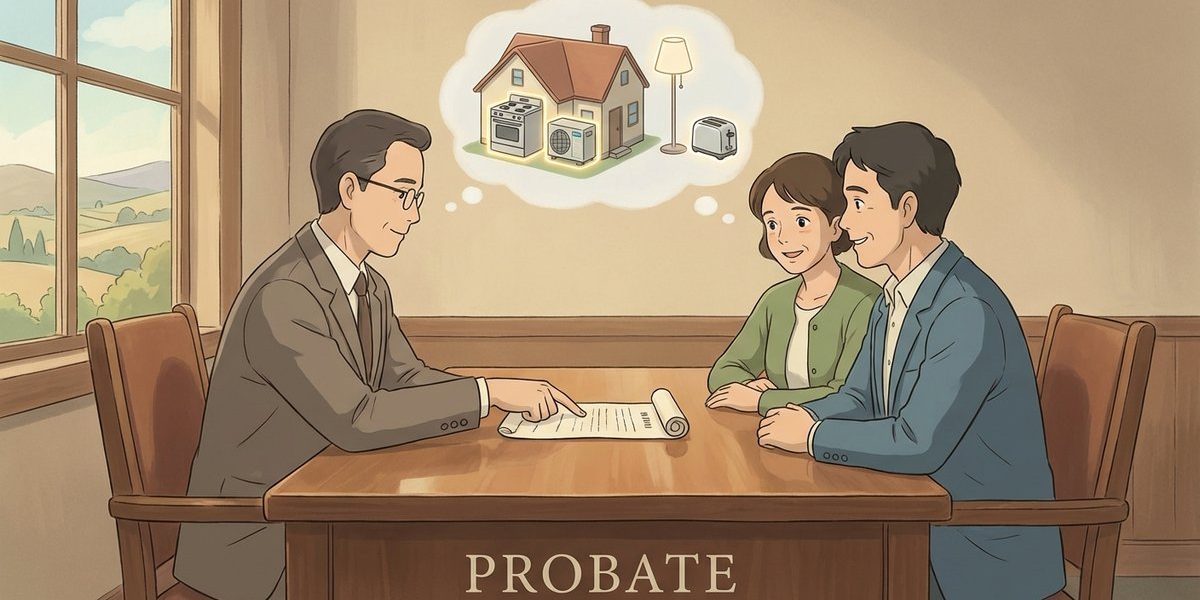
What counts as part of a life estate in a home versus personal property, especially for things like appliances, built-in ovens, HVAC systems, and lighting fixtures? – North Carolina
Short Answer
In North Carolina, a life estate in a home generally covers the real property and the items that are treated as part of the real property (often called “fixtures”). Items that remain personal property can usually be removed by the life tenant (or the estate) unless the will, a written agreement, or the way the item is installed shows it was meant to stay with the house. For common “gray area” items like appliances and lighting, the practical question is whether the item is built in and intended to be a permanent part of the home, or whether it is a movable household item.
Understanding the Problem
Under North Carolina probate and estate administration, a will can give one child a life estate in a parent’s home while the other siblings hold the remainder interest. The single decision point is whether a specific item in or around the home is treated as part of the home that stays with the life estate (and later passes with the house to the remaindermen) or whether it is personal property that can be removed and separately distributed. This question often comes up with appliances, built-in ovens, HVAC equipment, and lighting when the family wants to prevent disputes and delays when the life tenant later dies and the property is sold.
Apply the Law
North Carolina generally separates “real property” (the land and improvements) from “personal property” (movable items). In disputes about what stays with a house, North Carolina courts typically look to fixture principles: how attached the item is, how the home uses it, and—most importantly—whether the circumstances show an intent for the item to remain with the property as a permanent improvement. In a life estate situation, the life tenant usually has the right to possess and use the property during life, but does not have the right to strip the property of fixtures that are part of the real estate the remaindermen will receive.
Key Requirements
- Attachment (how installed): Items that are hardwired, plumbed, or physically integrated into the structure are more likely to be treated as part of the home than items that simply plug in or sit in place.
- Function (how the home uses it): If the item serves the building as a building system (heating/cooling, built-in lighting, built-in cooking), it is more likely to be treated as part of the real property.
- Intent (what was meant to happen): The most important factor is whether the installation and surrounding circumstances show the item was meant to stay with the home, rather than remain a separate household item.
What the Statutes Say
- N.C. Gen. Stat. § 14-83.1 (Fixtures subject to larceny) – North Carolina recognizes “fixtures” as property affixed to real property; removing affixed property with intent to steal can be treated as larceny, which underscores that “affixed” items can be treated differently from ordinary personal property.
- N.C. Gen. Stat. § 29-30(b) (Spousal election: life estate in dwelling and household furnishings) – In a specific spousal-election context, the statute distinguishes the dwelling (real property) from “household furnishings” (personal property), which mirrors the real-property vs. personal-property divide families often need to apply when a will creates a life estate.
Analysis
Apply the Rule to the Facts: The will gives one child a life estate in the home and the other siblings are remaindermen, so the family’s main risk is disagreement over whether certain items are fixtures (stay with the house) or personal property (can be removed or separately distributed). Under fixture principles, items that are integrated into the structure or building systems (for example, HVAC equipment or hardwired lighting) are more likely to be treated as part of the home that the life tenant may use but not remove. Items that are movable household goods (for example, a freestanding refrigerator) are more likely to be personal property unless the will or a written family agreement says otherwise.
Common items: how they are usually treated
- HVAC systems (furnace, air handler, condenser, ductwork, thermostats): Usually treated as part of the home because they are building systems integrated into the structure.
- Built-in ovens / wall ovens: Often treated as fixtures when installed as built-ins (cabinetry integration, dedicated wiring), especially if removal would leave a hole or require repair.
- Ranges and stoves: A freestanding range that plugs in (even if heavy) is often treated more like personal property; a built-in cooktop that is fitted into counters and hardwired/plumbed is more likely to be treated as a fixture.
- Refrigerators: Usually personal property if freestanding; “built-in” panel-ready units that are fitted into cabinetry can become a closer call.
- Dishwashers: Often treated as fixtures because they are typically installed into cabinetry and connected to plumbing/electrical, but the facts of installation matter.
- Lighting fixtures: Hardwired ceiling fixtures, recessed lights, and sconces are usually treated as fixtures; plug-in lamps are personal property.
- Ceiling fans: Usually treated as fixtures because they are hardwired and installed as part of the room.
- TV mounts and built-in speakers: Often treated as fixtures if they are bolted in and wired through walls; a television itself is personal property.
Process & Timing
- Who documents the item list: Typically the personal representative (executor) during estate administration, or the family by written agreement if the estate is already settled. Where: Records are usually kept with the estate file handled through the Clerk of Superior Court in the county where the estate is administered. What: A practical approach is a written inventory of “stays with the house” vs. “personal property,” signed by the life tenant and remaindermen. When: As early as possible—ideally before the life tenant moves in or begins making changes.
- Handle valuable household items: If there are valuable household furnishings or personal effects, the estate administration process commonly involves identifying them, safeguarding them, and documenting any early distribution with signed receipts so there is a clear record of what left the home and why.
- When the life tenant later dies: The remaindermen (or a later personal representative, depending on what is being handled) can reduce delays in a sale by using the earlier written list and photos to confirm what conveys with the real estate and what does not.
Exceptions & Pitfalls
- The will (or a later written agreement) can control: A will can specifically give “all household furnishings,” “all appliances,” or “all fixtures” to someone. Clear language can override default assumptions and prevent conflict.
- Replacement items create confusion: If the life tenant replaces a built-in item (like a dishwasher or wall oven), disputes can arise over whether the replacement must stay. A written agreement about replacements and reimbursements can prevent later arguments. (Related reading: replaces major items during the life estate.)
- “Removing it without damage” is not the only test: Some items can be removed with minimal damage but still be treated as fixtures because they are integrated into the home’s function (for example, certain built-in appliances or hardwired lighting).
- Don’t rely on informal family understandings: Verbal agreements often break down years later. A short written list with signatures is usually far more effective than trying to reconstruct intent after someone dies.
- Security and documentation issues: When personal property is distributed early, receipts and clear documentation reduce later claims that items were taken improperly.
Conclusion
In North Carolina, a life estate in a home generally includes the real property and items treated as fixtures—things installed as part of the structure or building systems—while movable household goods are usually personal property. HVAC equipment and hardwired lighting are commonly treated as part of the home; freestanding appliances are commonly treated as personal property; built-in appliances often fall in between and depend on installation and intent. The most reliable next step is to create and sign a written “fixtures vs. personal property” list (with photos) before changes occur.
Talk to a Probate Attorney
If a family is dealing with a life estate in a North Carolina home and needs clarity on what stays with the house versus what can be removed, our firm has experienced attorneys who can help explain options, document agreements, and reduce the risk of later disputes. Call us today at [919-341-7055].
Disclaimer: This article provides general information about North Carolina law based on the single question stated above. It is not legal advice for your specific situation and does not create an attorney-client relationship. Laws, procedures, and local practice can change and may vary by county. If you have a deadline, act promptly and speak with a licensed North Carolina attorney.

