
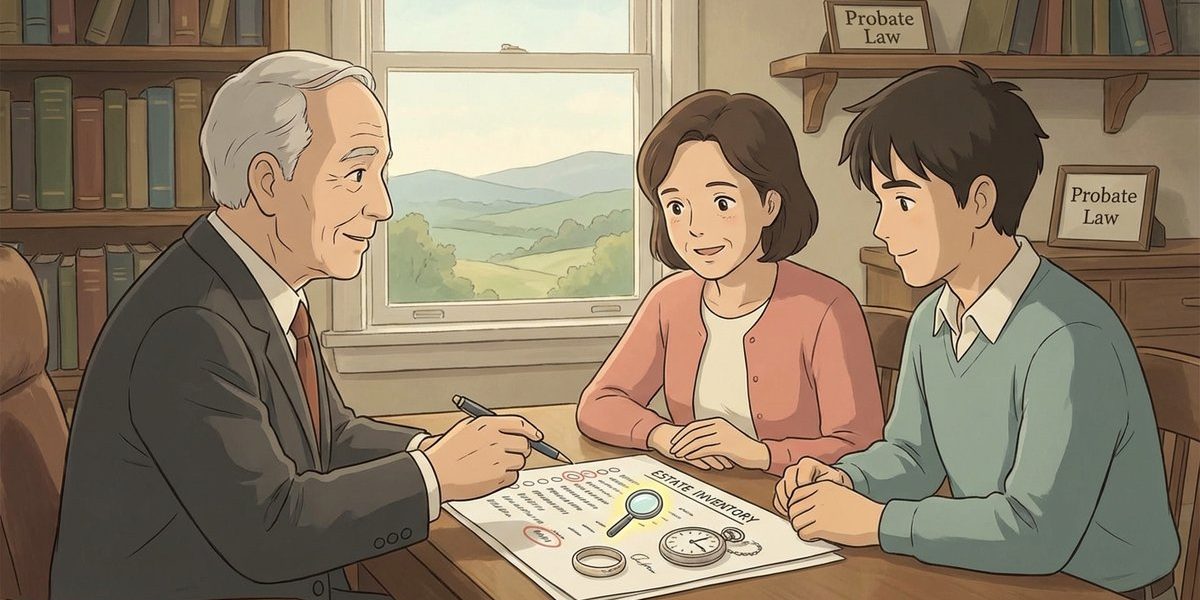
What can beneficiaries do if the executor doesn’t list potentially valuable personal property on the inventory and says they can’t find it? – North Carolina
Short Answer
In North Carolina, beneficiaries can ask the Clerk of Superior Court (the probate court) to require the executor (personal representative) to file a complete, corrected inventory and later accountings that reflect all estate property. If the executor claims items are “missing,” beneficiaries can push for a documented search, a supplemental inventory if items are later discovered, and court oversight if the executor is not doing the job. In more serious situations, beneficiaries can seek remedies that may include removal of the executor and financial responsibility for losses caused by mismanagement.
Understanding the Problem
Under North Carolina probate, the decision point is whether the executor must list and account for personal property that may be part of the estate even when the executor says the items cannot be located. This often comes up when family members disagree about what property existed at death, what belonged to the decedent versus someone else, and what should be included on the estate inventory filed with the Clerk of Superior Court. In a family with a life estate in the home and other siblings as remaindermen, the same issue can also show up as a dispute over what items are part of the “home” itself (fixtures) versus personal property that should be inventoried and later distributed.
Apply the Law
In North Carolina, the executor (also called the personal representative) has a duty to identify, gather, and protect estate assets and then report them to the Clerk of Superior Court through an inventory and required accountings. If property is omitted and later becomes known, the inventory generally should be corrected through a supplemental filing. If beneficiaries believe the inventory is incomplete or misleading, they can ask the Clerk to require a corrected filing and increased court supervision.
Key Requirements
- Estate property must be identified: The executor is expected to make a reasonable, documented effort to locate and identify probate assets, including household furnishings and personal effects that belonged to the decedent.
- The inventory must be complete and accurate: The inventory should list probate assets with reasonable descriptions and values; valuable items often need separate listing and better support for valuation.
- Omissions should be corrected: When additional property becomes known after the initial filing, the executor should update the record (often by filing a supplemental inventory) rather than leaving the omission unaddressed.
What the Statutes Say
- N.C. Gen. Stat. § 35A-1262 (Procedure to compel inventory or account) – authorizes the clerk to issue an order to file required inventory/accountings and to enforce compliance (including potential removal/contempt in the covered context).
- N.C. Gen. Stat. § 35A-1263.1 (Supplemental inventory) – requires a supplemental inventory when property not included in the original inventory becomes known (in the covered context).
- N.C. Gen. Stat. § 1-339.12 (Clerk’s authority to compel report or accounting; contempt) – permits the clerk, on motion of an interested party, to order a correct and complete report/account and enforce the order through contempt procedures in the covered context.
Analysis
Apply the Rule to the Facts: The family’s concern is that potentially valuable items connected to the home may be treated as “part of the house” (fixtures) or may be personal property that should appear on the estate inventory and later be distributed. If the executor does not list items and says they cannot be found, the practical question becomes whether the executor made a reasonable search and whether the probate filings accurately reflect what the executor knows (or should know) about the decedent’s personal property. If the life tenant remains in the home, clear documentation of what is a fixture versus personal property can reduce later disputes when the life estate ends and the house is sold.
Process & Timing
- Who files: An “interested person” (typically a beneficiary/heir) can file a written request/motion in the estate file. Where: The Clerk of Superior Court (Estates Division) in the county where the estate is pending in North Carolina. What: A request that the Clerk require a corrected/supplemental inventory and/or require the executor to account for specific categories of personal property (and to explain the search efforts). When: As soon as the omission is discovered, especially before distributions are made and before the estate is closed.
- Build a record: Provide the Clerk and the executor with a focused list of the items believed to exist (photos, insurance schedules, appraisals, receipts, serial numbers, written family communications, or a list of rooms/areas where items were kept). Ask for a written explanation of the search steps taken and where/when the executor looked.
- Escalate if needed: If the executor still will not correct filings or cannot explain what happened to the property, beneficiaries can ask for increased court supervision, and in appropriate cases pursue removal and financial remedies through the probate court process and/or a separate civil action depending on the issue.
Exceptions & Pitfalls
- Fixture vs. personal property confusion: Items attached to the home (for example, built-in cabinets, permanently installed lighting, or plumbing fixtures) are often treated as part of the real estate, while movable items (furniture, art, jewelry, tools) are personal property. Disputes often come from “in-between” items (appliances, mounted TVs, custom shelving). Clarifying this early helps avoid later conflict between a life tenant’s use of the home and the remaindermen’s expectations.
- Non-estate ownership: Some items may not belong to the decedent (they may be owned by the life tenant, another family member, or held in a trust). Pushing to list property that is not the decedent’s can create delay and unnecessary conflict.
- Vague inventories: Listing “household goods” as one lump category may be acceptable for low-value contents, but it can be a problem when specific high-value items are missing. Valuable items often need separate identification and support for value.
- Early informal distribution without documentation: If family members remove items from the home before the executor documents them, it becomes difficult to prove what existed and who took what. Written receipts for any distributions reduce later disputes.
- Not using probate oversight tools: When an executor is unresponsive, beneficiaries often wait too long. Court oversight through the Clerk is designed to address incomplete filings and lack of transparency.
For a broader discussion of correcting inventories and court options, see options to challenge or correct an estate inventory. Related issues sometimes arise when property is sold or disposed of during administration; see what happens if the personal representative sells or disposes of estate property.
Conclusion
In North Carolina, beneficiaries are not limited to accepting an executor’s statement that valuable personal property is “missing.” The executor must make a reasonable effort to identify and report estate assets, and omissions should be corrected when additional property becomes known. The practical next step is to raise the issue in the estate file with the Clerk of Superior Court and request a corrected or supplemental inventory and a clear explanation of the search efforts before the estate is closed.
Talk to a Probate Attorney
If a beneficiary believes an executor left valuable personal property off the inventory or is not being transparent about what happened to estate items, our firm has experienced attorneys who can help explain the probate process, the Clerk’s oversight role, and the steps to protect beneficiaries’ rights. Call us today at [919-341-7055].
Disclaimer: This article provides general information about North Carolina law based on the single question stated above. It is not legal advice for your specific situation and does not create an attorney-client relationship. Laws, procedures, and local practice can change and may vary by county. If you have a deadline, act promptly and speak with a licensed North Carolina attorney.

