
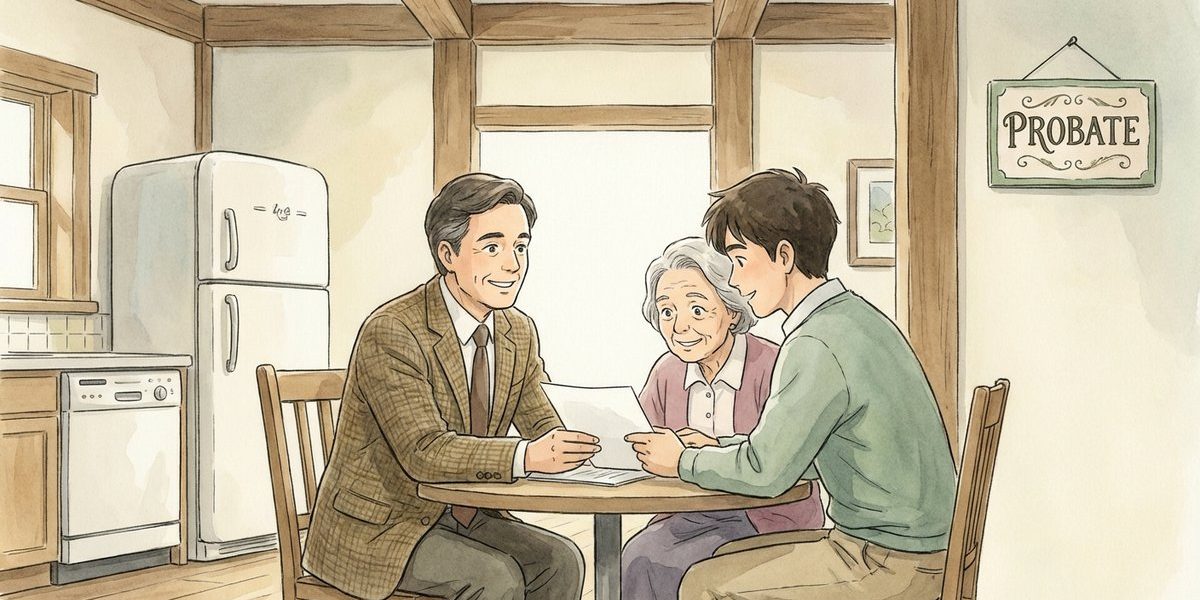
If the life tenant replaces major items during the life estate (like a refrigerator or other appliances), do those replacement items stay with the house for the remaindermen later? – North Carolina
Short Answer
Usually, replacement appliances a life tenant buys (like a refrigerator) are the life tenant’s personal property and do not automatically “stay with the house” for the remaindermen in North Carolina. The main exception is when the item becomes a fixture—meaning it is attached and intended to be a permanent part of the home (for example, a built-in appliance). The will (or a written agreement among the family) can also change the default result.
Understanding the Problem
In North Carolina, when a will gives one child a life estate in a house and the other siblings are remaindermen, a common question is whether items replaced during the life estate become part of the home when the life estate ends. The decision point is whether the replacement item is treated as part of the real estate (a fixture that passes with the house) or as personal property (something the life tenant can usually take). This question often comes up when the life tenant later dies and the family plans to sell the property.
Apply the Law
North Carolina generally treats most household appliances as personal property unless they are attached to the home in a way that shows they are meant to be permanent. A life tenant has the right to possess and use the property during the life estate, but also has duties to preserve the property for the remaindermen and avoid conduct that damages the value of the remainder interest. In practice, families reduce disputes by deciding in advance what will be treated as “staying” with the home and documenting that agreement.
Key Requirements
- Fixture vs. personal property: If the item is intended to be a permanent part of the home (often because it is built-in or materially attached), it is more likely to be treated as part of the real estate and pass with the house.
- Intent shown by installation and use: How the item is installed and used matters. A freestanding refrigerator is usually personal property; a built-in unit that is integrated into cabinetry is more likely to be a fixture.
- Governing document controls: The will (or later written agreement) can spell out who owns replacement items and whether they must remain with the property when the life estate ends.
What the Statutes Say
- N.C. Gen. Stat. § 105-384 (Duties and liabilities of life tenant) – Addresses a life tenant’s responsibility for property taxes and potential liability to remaindermen if taxes are not paid and the property is lost.
- N.C. Gen. Stat. § 14-83.1 (Fixtures subject to larceny) – Recognizes that North Carolina law distinguishes fixtures from ordinary personal property, including in the criminal context.
Analysis
Apply the Rule to the Facts: The will gives one sibling a life estate in the home and the other siblings are remaindermen. If the life tenant replaces a refrigerator, washer/dryer, or similar item with a typical freestanding model, that replacement is usually personal property bought by the life tenant and does not automatically become part of the house for the remaindermen. If the life tenant installs a built-in appliance (or otherwise attaches an item in a way that shows it is intended to be permanent), the item is more likely to be treated as part of the real estate and stay with the home when the life estate ends.
Process & Timing
- Who documents it: The life tenant and remaindermen (often with counsel). Where: In a written family agreement kept with the estate planning/probate records; if it affects title or rights in the real property, it may also be recorded with the Register of Deeds in the county where the home is located. What: A short written agreement listing which appliances are treated as personal property and which will remain with the home, and whether the life tenant will be reimbursed for any “built-in” replacements.
- During the life estate: Keep receipts, installation invoices, and photos showing whether an item is freestanding or built-in. This evidence often resolves disputes later without litigation.
- When the life estate ends: Before listing the property for sale, confirm in writing what conveys with the home (fixtures) versus what will be removed (personal property), and make sure the listing and contract match that understanding.
Exceptions & Pitfalls
- The will may answer the question: Some wills define “contents,” “household furnishings,” or “fixtures,” or give the life tenant (or remaindermen) specific rights to items in the home. That language can override default assumptions.
- Built-in vs. freestanding confusion: Disputes often come from gray areas (for example, a microwave that is mounted in a cabinet opening, or a cooktop/oven combination). The more integrated and permanent the installation, the more likely it is treated as part of the real estate.
- “Upgrade” spending does not automatically create reimbursement rights: Even if the life tenant pays for improvements, that does not automatically mean the remaindermen must repay those costs later. If reimbursement is expected, it should be agreed to in writing beforehand.
- Removal can create damage claims: If an item is arguably a fixture, removing it (or removing it carelessly) can lead to claims that the property was damaged or its value was reduced.
Conclusion
In North Carolina, replacement appliances a life tenant purchases during a life estate usually remain the life tenant’s personal property and do not automatically pass to the remaindermen with the house—unless the item is installed as a fixture or the will (or a written family agreement) says otherwise. The most practical next step is to put the family’s understanding in writing now—listing which items will stay with the home—so the transition and any later sale can move forward without avoidable conflict.
Talk to a Probate Attorney
If a family is dealing with a North Carolina life estate and there is concern about what items stay with the house versus what the life tenant can remove, our firm has experienced attorneys who can help clarify rights, reduce conflict, and document a workable plan. Call us today at [919-341-7055].
Disclaimer: This article provides general information about North Carolina law based on the single question stated above. It is not legal advice for your specific situation and does not create an attorney-client relationship. Laws, procedures, and local practice can change and may vary by county. If you have a deadline, act promptly and speak with a licensed North Carolina attorney.

