
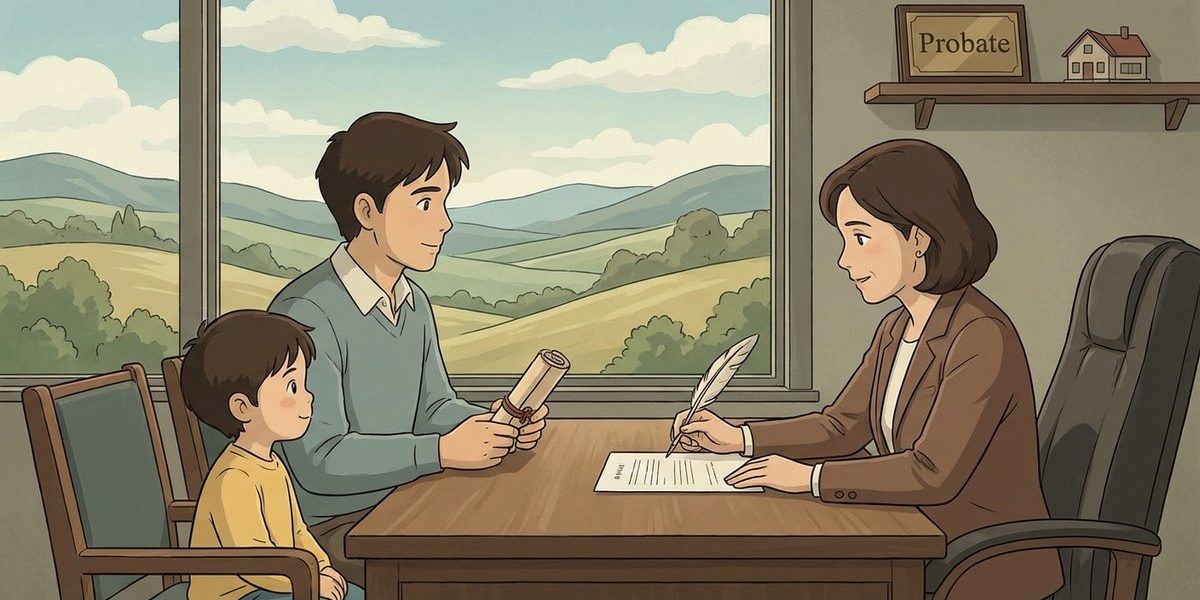
Do I need to open an estate for my child to claim what was left to them in the will? – North Carolina
Short Answer
In North Carolina, a child usually cannot “claim” a gift under a will until the will is probated and someone has legal authority to transfer the property (typically an executor/personal representative). Whether a full estate administration is required depends on what the child was left (for example, a bank account versus real estate) and how the asset is titled. If the beneficiary is a minor, the distribution often must go through a court-approved method (such as a custodial transfer under the Uniform Transfers to Minors Act or a clerk-approved distribution to a parent/guardian), rather than being handed directly to the child.
Understanding the Problem
Under North Carolina probate law, the key question is whether the decedent’s will and assets require a formal estate process before property can be transferred to a child named in the will. In this situation, the actor is usually the named executor (or another person seeking authority to act), the duty is to probate the will and handle required estate steps, and the relief sought is a lawful transfer of the inherited items to the child. Timing can matter because some transfers—especially involving real estate—depend on the will being probated within a limited window.
Apply the Law
In North Carolina, the Clerk of Superior Court (as the probate judge) has original jurisdiction over probate of wills and estate administration. In many cases, the will must be probated before it is effective to pass title, and a personal representative (executor/administrator) is the person with authority to collect estate assets, pay valid expenses, and distribute what the will leaves to beneficiaries. When the beneficiary is a minor, North Carolina law also provides specific ways to hold or deliver the minor’s property so it is protected and properly documented.
Key Requirements
- Probate authority: The will generally must be probated with the Clerk of Superior Court so there is an official record and someone has authority to act for the estate.
- Proper transfer method for the asset: Some assets transfer only with executor authority (common with bank accounts titled solely to the decedent), while others may pass outside probate (for example, certain beneficiary-designated accounts).
- Minor-beneficiary handling: If the child is under 18, the distribution usually must be made through an approved mechanism (such as a custodial transfer under North Carolina’s UTMA, a clerk-approved distribution to a parent/guardian, or deposit with the clerk/public guardian in qualifying cases).
What the Statutes Say
- N.C. Gen. Stat. § 7A-241 (Probate jurisdiction) – gives the Clerk of Superior Court authority over probate and estate administration.
- N.C. Gen. Stat. § 31-39 (Probate necessary to pass title) – explains that a duly probated will is effective to pass title and sets important timing rules affecting third parties.
- N.C. Gen. Stat. § 35A-1227 (Funds owed to minors) – lists several ways property due a minor may be delivered or administered, including clerk involvement and UTMA transfers.
- N.C. Gen. Stat. § 33A-5 (UTMA transfer authorized by will or trust) – allows a personal representative to transfer property to a UTMA custodian for a minor when authorized.
Analysis
Apply the Rule to the Facts: The decedent died with a will that left certain items to the child. In North Carolina, the practical issue is that the child generally cannot take possession or obtain title from third parties (like a bank, DMV, or closing attorney) unless the will has been probated and a legally authorized person completes the transfer. Because the beneficiary is a child, the transfer also typically must be made to an appropriate adult or custodian using a method the Clerk of Superior Court will accept, rather than being delivered directly to the minor.
Process & Timing
- Who files: usually the named executor in the will (or another qualified person if the named executor cannot serve). Where: the Clerk of Superior Court (Estates Division) in the North Carolina county with proper venue for the estate. What: an application to probate the will and (if needed) to qualify a personal representative. When: as soon as practical after death; for real estate, probate timing can matter because a will that is not probated can create title problems for later transfers.
- Asset-by-asset review: identify what the child was left (cash account, vehicle, personal items, real estate interest) and how each asset is titled. This determines whether a full estate administration is needed or whether a smaller procedure may work for some assets.
- Minor distribution step: once the estate has authority to distribute, the personal representative typically distributes the child’s share through a clerk-approved method (for example, a custodial arrangement under UTMA if allowed/appropriate, or another method the clerk will approve for a minor’s property).
Exceptions & Pitfalls
- Not every asset requires opening a full estate: some property passes outside probate (for example, certain beneficiary-designated accounts). But a will gift alone does not automatically force a third party to release property without probate authority.
- Small-estate options may exist, but they are limited: North Carolina has abbreviated procedures for qualifying estates in certain situations, and they do not always solve issues like selling real estate or handling every type of asset.
- Minor beneficiary problems: handing property directly to a minor can create refusal by banks/DMV/others, or later disputes about who had authority. A proper custodial transfer or clerk-approved method helps document the transfer and protect the child’s interest.
- Real estate is different: even when a small-estate process is available for personal property, it may not give authority to sell real estate, and probate of the will is still important to establish the devisees’ title.
Conclusion
In North Carolina, a child usually cannot claim a gift under a will until the will is probated and someone has legal authority to transfer the property through the Clerk of Superior Court. Whether a full estate must be opened depends on what assets are involved and whether any can transfer outside probate, but minor beneficiaries often require a court-accepted distribution method (such as a custodial transfer). The most important next step is to file the will for probate with the Clerk of Superior Court in the proper county as soon as possible after death.
Talk to a Probate Attorney
If a child was left property in a North Carolina will and the transfer is getting stuck because no one has authority to act (or because the beneficiary is a minor), our firm has experienced attorneys who can help explain the options and timelines. Call us today at [919-341-7055].
Disclaimer: This article provides general information about North Carolina law based on the single question stated above. It is not legal advice for your specific situation and does not create an attorney-client relationship. Laws, procedures, and local practice can change and may vary by county. If you have a deadline, act promptly and speak with a licensed North Carolina attorney.

