
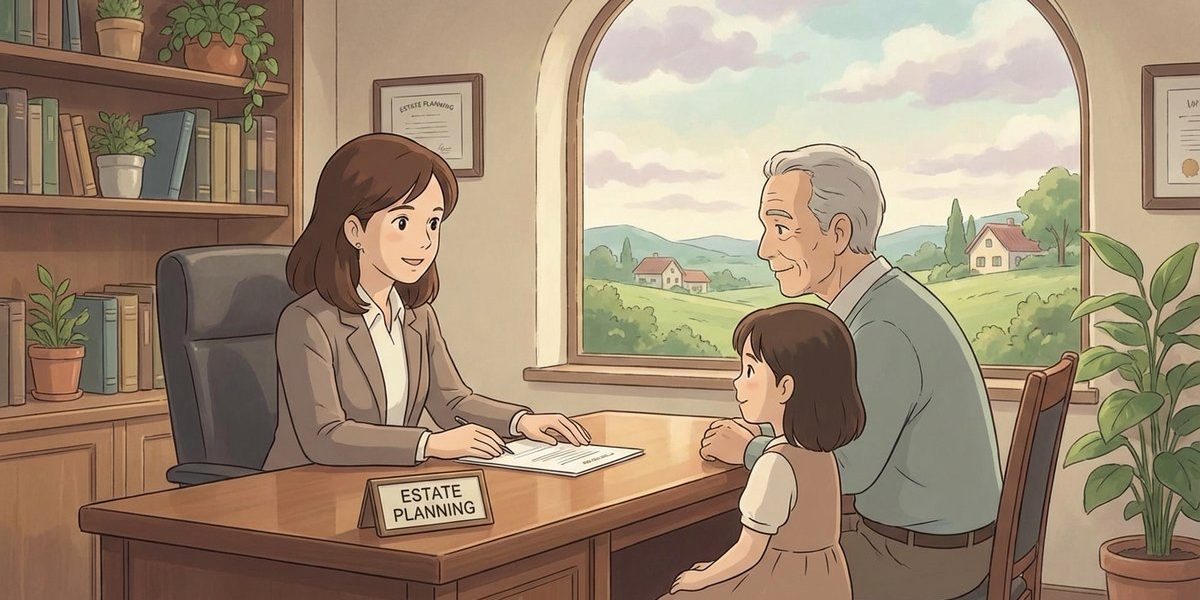
Can I name a trusted adult to handle the mobile home and keep paying the lot rent until my child can take over? – North Carolina
Short Answer
Yes—under North Carolina law, a will can name an executor (personal representative) to manage estate property after death, and the will can also direct that a trusted adult hold and manage the mobile home for a minor child through a court-supervised guardianship, a custodianship under the North Carolina Uniform Transfers to Minors Act (UTMA), or a trust. Paying lot rent is usually handled as an estate or fiduciary expense during administration, but the park’s lease terms still matter. The best fit depends on whether the home is titled like a vehicle or treated as real property, and how long management will be needed.
Understanding the Problem
In North Carolina, can a parent who owns a mobile home name a trusted adult to manage the home after death—especially to keep the lot rent current—when the intended recipient is a child who may still be a minor at the time of death? The decision point is whether the plan should rely on the executor alone during estate administration or should also set up a longer-term legal arrangement so an adult can lawfully hold, manage, and maintain the mobile home for the minor until the child is old enough to take over.
Apply the Law
North Carolina generally does not allow a minor to directly control inherited property. That means a will leaving a mobile home to a minor often needs a “management wrapper” so an adult can sign paperwork, maintain insurance and utilities, and pay ongoing expenses like lot rent. The main options are (1) an executor managing the property during the estate administration period, (2) a court-appointed guardian of the minor’s estate through the Clerk of Superior Court, (3) a UTMA custodianship if it fits the type/value of property and the transfer method, or (4) a trust created in the will (a testamentary trust) or during life.
Key Requirements
- Legal authority to act: The trusted adult must have recognized authority (executor, guardian, UTMA custodian, or trustee) to sign documents, deal with the park/landlord, and pay expenses from the right funds.
- Correct “bucket” for the mobile home: A mobile home may be treated as titled personal property (like a vehicle) or, in some situations, treated as real property when permanently affixed and the title is surrendered/canceled. The transfer steps depend on which category applies.
- A workable plan for ongoing costs: Lot rent, insurance, taxes, and repairs need a funding source (estate funds, a trust, or custodial/guardianship funds) and clear instructions about what gets paid and for how long.
What the Statutes Say
- N.C. Gen. Stat. § 35A-1203 (Clerk jurisdiction over minor guardianships) – The Clerk of Superior Court has original jurisdiction to appoint a guardian of the estate for a minor and supervise the guardianship.
- N.C. Gen. Stat. § 35A-1252 (Powers to manage a minor’s estate) – A guardian of the estate has broad powers to collect, preserve, manage, and pay expenses to protect the minor’s property, subject to court supervision.
- N.C. Gen. Stat. § 33A-5 (UTMA transfer authorized by will or trust) – A will can authorize the personal representative to transfer property to a UTMA custodian for a minor.
- N.C. Gen. Stat. § 33A-9 (How UTMA custodial property is created) – UTMA provides specific ways to title/transfer property (including certain certificate-of-title property) to an adult “as custodian for” a minor.
- N.C. Gen. Stat. § 20-109.2 (Surrender/cancellation of manufactured home title) – Describes when and how a manufactured home title can be surrendered and canceled when the home qualifies as real property.
- N.C. Gen. Stat. § 47-20.6 (Affidavit for permanent attachment) – After title cancellation, recording the affidavit can make the manufactured home an improvement to real property for recording/lien purposes.
Analysis
Apply the Rule to the Facts: The plan described involves leaving a mobile home and its contents to a child, with concern that the child could still be a minor at death. Because a minor generally cannot manage or sign for inherited property, the trusted adult needs formal authority (executor during administration, then a guardian/UTMA custodian/trustee for longer-term holding). If the mobile home is titled personal property, the fiduciary must be able to handle title-related steps; if it is treated as real property (after title surrender/cancellation and proper recording), the transfer and management look more like real estate administration.
Process & Timing
- Who files: The person nominated in the will to serve as executor (personal representative), or another qualified applicant if needed. Where: The Clerk of Superior Court in the county where the estate is opened in North Carolina. What: An estate opening and appointment process so the executor has authority to act for the estate. When: As soon as practical after death, because ongoing expenses like lot rent and insurance can come due quickly.
- Managing the mobile home during administration: The executor typically secures the home, keeps insurance in place, and pays necessary expenses from estate funds while the estate is being administered. If the park requires a responsible party for the lease, the executor may need to communicate early and document who is authorized to act.
- Setting up longer-term management for a minor: If the child is still a minor when the home is ready to be distributed, the executor generally cannot just “hand it over” to the minor. Common paths are (a) transferring the home to a UTMA custodian if the will authorizes it and the transfer method fits, or (b) asking the Clerk of Superior Court to appoint a guardian of the minor’s estate to receive and manage the home, or (c) funding/using a trust so a trustee can hold the home and pay expenses until the child reaches the age stated in the trust.
Exceptions & Pitfalls
- Lease and park approval issues: Even with a solid estate plan, the lot lease may restrict who can occupy the home, who can be on the lease, or whether the home can remain if rent is unpaid. A will cannot override a private lease’s terms.
- Wrong tool for the job: Naming a “trusted adult” in a will without giving that person a legal role (executor, trustee, UTMA custodian, or recommended guardian) can leave that person unable to sign, access funds, or deal with title/park requirements.
- Title category confusion: Some manufactured homes are still titled through DMV; others may be treated as real property after title surrender/cancellation and recording steps. The transfer paperwork and offices involved can change based on that classification.
- Funding gap: A direction to “keep paying lot rent” works only if there is a clear source of money (estate account, trust account, or custodial/guardianship funds) and a person with authority to use it.
Conclusion
In North Carolina, a will can name an executor to handle the mobile home right after death and can also set up a structure so a trusted adult can manage the home for a minor child until the child can take over. The most common options are a court-supervised guardianship of the minor’s estate, a UTMA custodianship authorized in the will, or a trust with a trustee. The key next step is to have the will clearly name the fiduciary role and instructions, and then open the estate with the Clerk of Superior Court promptly so lot rent and other expenses can be paid on time.
Talk to a Estate Planning Attorney
If you’re dealing with planning for a mobile home transfer to a minor child and want a trusted adult to manage the home and keep lot rent current, our firm has experienced attorneys who can help you understand your options and timelines. Call us today at [919-341-7055].
Disclaimer: This article provides general information about North Carolina law based on the single question stated above. It is not legal advice for your specific situation and does not create an attorney-client relationship. Laws, procedures, and local practice can change and may vary by county. If you have a deadline, act promptly and speak with a licensed North Carolina attorney.

