
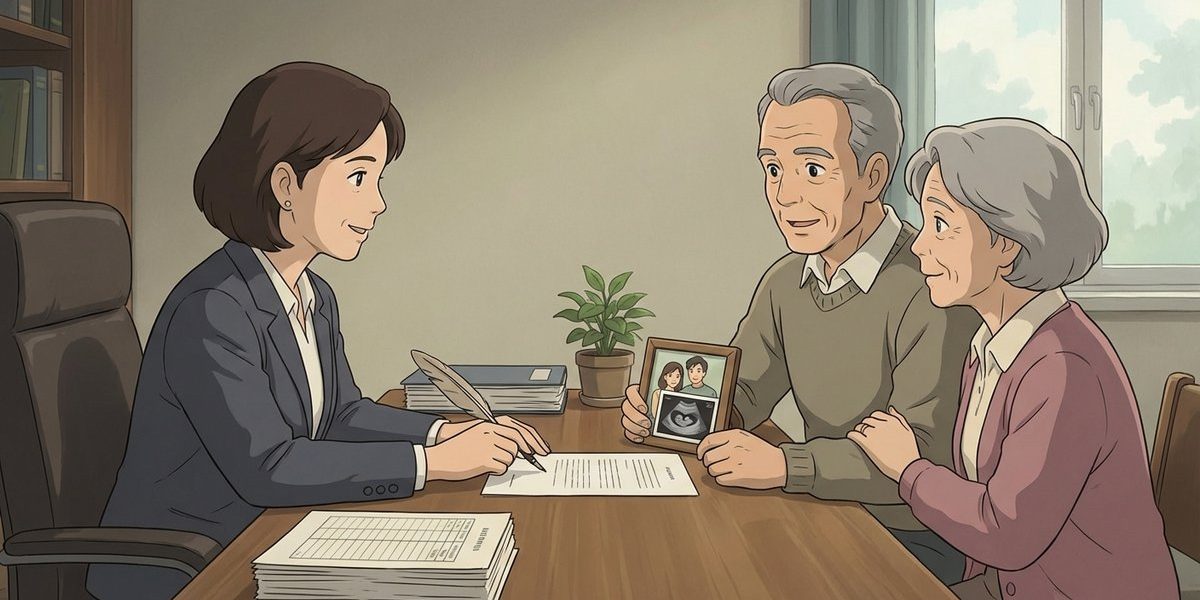
What changes should we make to our estate plan now that our child is married and we’re expecting a grandchild? – North Carolina
Short Answer
In North Carolina, a child’s marriage and an expected grandchild are common triggers to review and update a will and revocable trust—especially after a move to a new state and after a named trustee has died. Most plans need updated successor decision-makers, refreshed beneficiary language (including how future descendants are handled), and a check of how assets are titled and payable at death. A North Carolina-focused review also helps avoid unintended results from default spousal rights and “after-born child” rules that can override parts of an older will.
Understanding the Problem
Under North Carolina estate planning, the main decision is whether the existing will and trust still carry out the intended distribution and administration now that a child is married, a grandchild is expected, a trustee has died, and the family has moved into North Carolina. Can the current documents still name the right people to act (executor, trustee, agents), and do they clearly cover new family members (a child’s spouse and future descendants) without creating confusion or accidental disinheritance?
Apply the Law
North Carolina generally allows a will and a revocable trust to be updated, but the updates must be done in the right way for the document type. A will is typically changed by a properly executed codicil or a new will, and North Carolina has specific rules for revoking a will and for making a will “self-proved” to streamline probate. For family changes, North Carolina law also includes protections for certain family members in specific situations—such as a surviving spouse’s elective share rights and an after-born/after-adopted child’s right to share if the will does not address that child.
Key Requirements
- Update the right document the right way: Wills are changed by a new will or codicil executed with required formalities; trusts are changed by a written trust amendment or restatement consistent with the trust’s amendment clause.
- Name workable fiduciaries and backups: If a named trustee has died, the trust should clearly name successor trustees and a method for filling vacancies so administration does not stall.
- Address new family members intentionally: Beneficiary language should clearly state whether gifts flow to “children,” “descendants,” and future grandchildren, and how shares are divided if a child dies before the parents.
What the Statutes Say
- N.C. Gen. Stat. § 31-5.3 (Will not revoked by marriage; elective share still available) – A will is not automatically revoked by marriage, and a surviving spouse may still pursue an elective share even if the will was signed before the marriage.
- N.C. Gen. Stat. § 30-3.1 (Right of elective share) – A surviving spouse can claim an elective share based on the length of the marriage, which can affect how much passes under a plan.
- N.C. Gen. Stat. § 30-3.4 (Elective share procedure; six-month deadline) – The elective share claim is made by petition with the clerk of superior court and generally must be filed within six months after letters are issued.
- N.C. Gen. Stat. § 31-5.5 (After-born or after-adopted child; effect on will) – If a will does not address a child born or adopted after the will is signed, that child may be entitled to an intestate-style share unless an exception applies.
- N.C. Gen. Stat. § 31-5.1 (Revocation of written will) – A will can be revoked only in specific ways, such as a later properly executed writing or physical destruction with intent.
- N.C. Gen. Stat. § 31-11.6 (Self-proved wills) – North Carolina allows a will to be made “self-proved,” which can reduce proof problems during probate.
Analysis
Apply the Rule to the Facts: Because the family moved into North Carolina with an existing will and trust, the first practical step is confirming the documents still work under North Carolina execution and administration expectations (especially for probate efficiency and successor decision-makers). The death of a named trustee is a clear sign the trust’s successor trustee section should be updated so the right family member can step in without delay. The child’s marriage and the expected grandchild are also a prompt to tighten beneficiary definitions (for example, whether “descendants” includes future grandchildren and how distributions work if a child dies), and to confirm the plan does not accidentally create rights or conflicts that were not intended.
Process & Timing
- Who initiates: The people who created the will and trust. Where: Typically in an estate planning attorney’s office in North Carolina; probate filings later occur with the Clerk of Superior Court in the county of residence at death. What: A trust amendment or trust restatement (to change successor trustee and beneficiary provisions) and either a new will or a codicil (to coordinate with the trust and update North Carolina-specific language such as self-proving affidavits). When: As soon as practical after the move and before the grandchild is born, so the plan clearly covers future descendants and updated fiduciaries.
- Coordinate “non-probate” transfers: After documents are updated, confirm that beneficiary designations and account ownership match the plan (for example, retirement accounts, life insurance, and payable-on-death accounts). This step often controls what happens more than the will does.
- Confirm the trust can actually receive and manage assets: Review how major assets are titled (especially real estate after a move) so the trust administration works as intended and the successor trustee can act without unnecessary court involvement.
Exceptions & Pitfalls
- Assuming a child’s marriage “automatically updates” the plan: It usually does not. If the plan names beneficiaries by outdated descriptions (or lacks clear “descendants” language), the result can be unclear or inconsistent with current wishes.
- Forgetting future children rules: North Carolina’s after-born/after-adopted child statute focuses on children of the person who made the will, not grandchildren. But it shows why clear drafting matters when family structure changes. See N.C. Gen. Stat. § 31-5.5.
- Not updating successor trustees and backups: If a trustee has died and the trust does not provide a clean succession path, the family may face delays and may need court involvement to fill the vacancy.
- Mismatch between the will/trust and beneficiary designations: Retirement accounts and life insurance often pass by contract, not by the will. If those designations are not updated after a move and family changes, they can override the intended plan.
- Overlooking spousal rights: Even with a will and trust, North Carolina gives a surviving spouse potential elective share rights that can change the final distribution. See N.C. Gen. Stat. § 30-3.1.
Conclusion
In North Carolina, a child’s marriage, an expected grandchild, a move into the state, and the death of a named trustee are strong reasons to update an estate plan. The core goal is to (1) name the right successor trustee and backups, (2) clarify beneficiary language for children and future descendants, and (3) ensure the will and trust are updated using the proper North Carolina formalities. The most practical next step is to sign a trust amendment (or restatement) and a new will or codicil that coordinate with the trust.
Talk to a Estate Planning Attorney
If a family move, a trustee’s death, and a new grandchild are prompting an estate plan update, an estate planning attorney can help line up the trust, will, and beneficiary designations with North Carolina requirements and current family goals. Call today at [919-341-7055].
Disclaimer: This article provides general information about North Carolina law based on the single question stated above. It is not legal advice for your specific situation and does not create an attorney-client relationship. Laws, procedures, and local practice can change and may vary by county. If you have a deadline, act promptly and speak with a licensed North Carolina attorney.

