
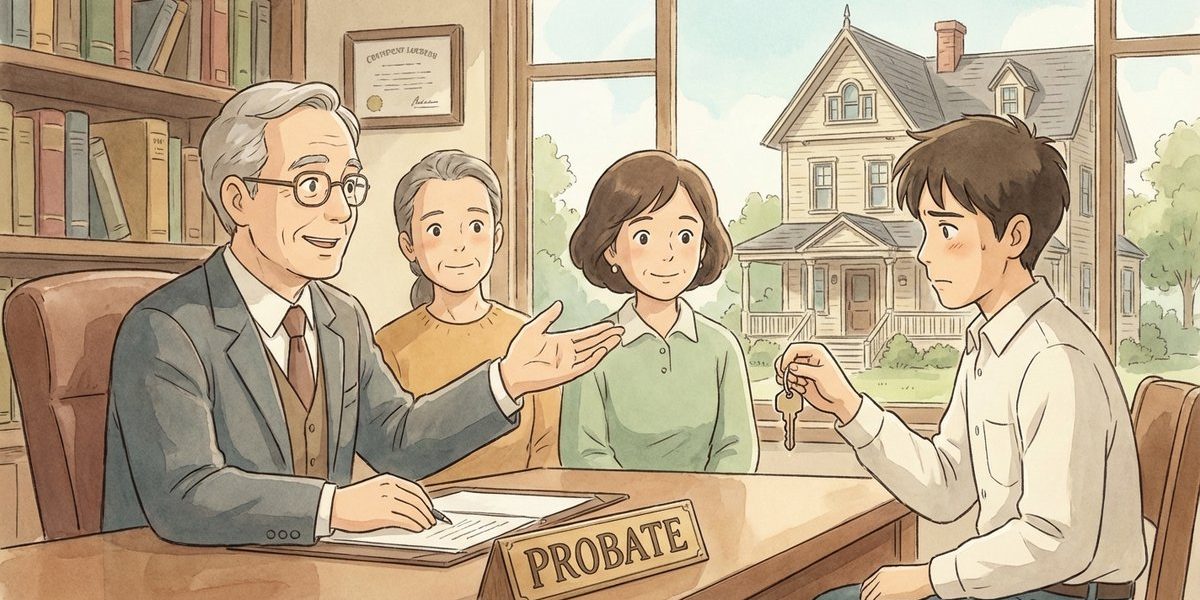
How can we deal with a family member who moved into the deceased person’s house and refuses to move out during probate? – North Carolina
Short Answer
In North Carolina, removing a family member from a deceased person’s home during probate usually requires a court order and a formal eviction-type process—self-help lockouts are not the right approach. The personal representative (executor/administrator) can often ask the Clerk of Superior Court for authority to take possession and, if needed, to eject an occupant as part of an estate proceeding. If the relative is also pushing a purported later will, a will contest (a “caveat”) may need to be filed quickly because it can affect who has authority to act for the estate.
Understanding the Problem
In North Carolina probate, the key question is how a personal representative can regain control of a decedent’s house when a relative moves in after the death and refuses to leave. The decision point is whether the person in the home has any legal right to possess the property during the estate administration, or whether the estate (through the personal representative and the Clerk of Superior Court) can require the person to move out. This issue often becomes more urgent when the occupant claims a later will controls the estate and disputes who is supposed to be in charge.
Apply the Law
North Carolina generally expects disputes over possession of a decedent’s real property to be handled through court procedures, not by changing locks or shutting off utilities. The personal representative may be able to seek an order from the Clerk of Superior Court authorizing possession, custody, and control of the property for estate administration, and North Carolina law also allows the personal representative to pursue an order to eject an occupant in the appropriate estate proceeding. Separately, if a purported later will is being offered and is believed to be forged, North Carolina provides a formal will-contest process (a caveat) that can transfer the dispute to Superior Court for a jury trial.
Key Requirements
- Proper authority to act for the estate: A court-appointed personal representative (or a person with legally recognized authority in the estate file) is typically the party who can ask the court for orders affecting estate property.
- A court-approved path to possession (not self-help): North Carolina policy generally requires removal of residential occupants through court process, not lockouts or other do-it-yourself measures.
- A clear procedural track for the dispute: If the occupant is there due to a personal relationship (not a lease), the estate may proceed through an estate proceeding to obtain possession and seek ejection; if the occupant is a tenant under a landlord-tenant arrangement, the estate typically must use the summary ejectment process under Chapter 42.
What the Statutes Say
- N.C. Gen. Stat. § 31-32 (Caveat to a will) – Allows an interested person to file a caveat (will contest), generally within three years after probate in common form.
- N.C. Gen. Stat. § 31-33 (Transfer of caveat to Superior Court) – Requires the clerk to transfer the caveat to Superior Court for a jury trial and sets out service/alignment steps.
- N.C. Gen. Stat. § 31-36 (Effect of caveat on estate administration) – Limits distributions and focuses the personal representative on preserving estate assets while the caveat is pending.
- N.C. Gen. Stat. § 42-25.6 (Eviction of residential tenants only by court process) – States North Carolina’s policy that residential occupants are removed only through the statutory eviction process.
- N.C. Gen. Stat. § 42-26 (Tenant holding over) – Describes when a person holding over without permission may be removed through the procedures in Chapter 42.
- N.C. Gen. Stat. § 7A-223 (Summary ejectment procedure in small claims) – Sets out key procedure rules for summary ejectment cases and what happens if the defendant disputes title.
Analysis
Apply the Rule to the Facts: Here, a relative moved into the decedent’s home after death, refuses to leave, and is also presenting a purported later will that is believed to be forged. That combination usually creates two parallel needs: (1) stabilize control of the property through the estate file (so the personal representative can preserve the home and handle insurance, maintenance, and eventual sale or transfer), and (2) address the will dispute through the caveat process so the correct will—and the correct decision-maker—controls the estate.
Process & Timing
- Who files: Typically the court-appointed personal representative (executor/administrator), or an interested person working to get a qualified personal representative appointed. Where: The Clerk of Superior Court in the county where the estate is administered (estate file). What: An estate proceeding requesting authority for possession/custody/control of the real property and, when appropriate, an order to eject an occupant as part of that proceeding. When: As soon as the occupancy is interfering with administration or risking loss to the estate (for example, unpaid utilities, property damage risk, inability to insure, or inability to sell).
- If the occupant claims tenant rights: If the facts show a landlord-tenant relationship (a lease or rental arrangement), the personal representative usually must use a Chapter 42 summary ejectment case in small claims court. If the occupant denies the plaintiff’s title, the case can be moved to district court for trial under the summary ejectment rules.
- Address the “later will” issue: If a later will is being offered (or has been probated) and there is a belief it is forged, an interested person can file a caveat in the estate file. After a caveat is filed, the clerk transfers the case to Superior Court for a jury trial, and the estate administration is generally limited to preservation steps while the will contest is pending.
Exceptions & Pitfalls
- Self-help lockouts can backfire: Changing locks, shutting off utilities, or removing property without a court process can create legal exposure and can complicate the probate dispute. North Carolina’s statutes emphasize court-based procedures for removing residential occupants.
- Using the wrong forum slows everything down: A tenant-style eviction (summary ejectment) is not always the right tool for a family member who moved in based on a personal relationship rather than a lease. On the other hand, if there really was a landlord-tenant relationship, the estate usually must follow Chapter 42.
- Title and authority disputes can stall possession cases: When a purported later will is involved, the occupant may argue the wrong person is acting as personal representative. Coordinating the possession/ejection strategy with the caveat strategy often matters because the will contest can change who has legal authority to act.
- Preservation duties continue during a caveat: Even when a caveat is pending, the personal representative generally must preserve estate property and follow the clerk’s orders about what can and cannot be done while the will contest is unresolved.
Conclusion
In North Carolina, a relative who moves into a decedent’s home and refuses to leave during probate usually cannot be removed by self-help measures. The personal representative typically needs a court-approved process—often an estate proceeding before the Clerk of Superior Court to obtain authority to take possession and, if necessary, to eject the occupant, or a Chapter 42 summary ejectment if the situation is truly landlord-tenant. If a purported later will is involved, the next step is to file a caveat in the estate file within the applicable deadline (often within three years after probate in common form).
Talk to a Probate Attorney
If a family member is occupying a deceased person’s home during probate and refusing to leave—especially where a disputed or allegedly forged will is involved—our firm has experienced attorneys who can help explain the court process, likely timelines, and practical next steps. Call us today at [919-341-7055].
Disclaimer: This article provides general information about North Carolina law based on the single question stated above. It is not legal advice for your specific situation and does not create an attorney-client relationship. Laws, procedures, and local practice can change and may vary by county. If you have a deadline, act promptly and speak with a licensed North Carolina attorney.

