
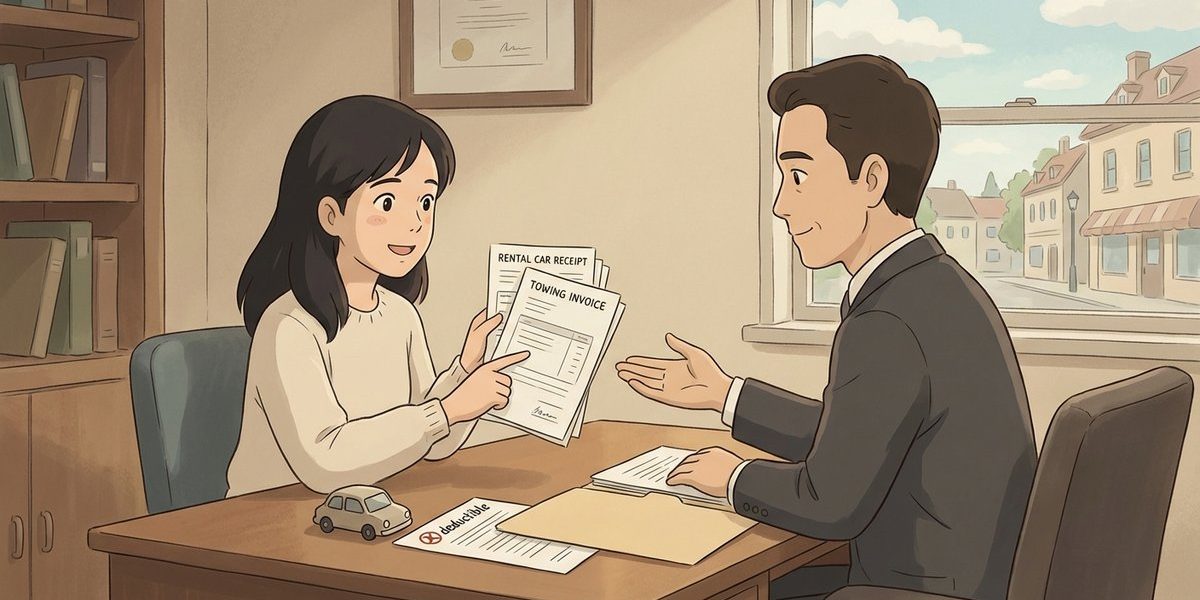
If my car was already repaired through the insurance company, do I still need to do anything to get reimbursed? – North Carolina
Short Answer
Usually, yes. Even if the vehicle repairs were already paid through an insurance/body shop arrangement, there may still be out-of-pocket costs that need to be documented and claimed, such as a rental car, towing, storage, or a deductible.
In North Carolina, a property-damage payment also does not automatically settle the injury claim (and vice versa), but it is important to confirm what was actually paid, what was not paid, and whether any paperwork released more than it should have.
Understanding the Problem
In a North Carolina motor-vehicle collision claim, the question is not only whether the car has been repaired, but whether any remaining vehicle-related costs still need to be gathered and submitted so they can be reimbursed as part of the overall claim. The common decision point is whether the repaired vehicle file is “done” or whether there are still unpaid items tied to the collision (for example, rental transportation while the car was in the shop). This often comes up when reviewing a pre-demand verification before an attorney sends a demand package to an insurance company.
Apply the Law
North Carolina generally treats vehicle repairs and other collision-related vehicle expenses as part of the property-damage side of a claim. Even when an insurer pays the body shop directly, the injured person may still have losses that were not included in that payment (such as a deductible or rental charges). Also, North Carolina law makes clear that settling property damage from a crash does not, by itself, settle bodily-injury claims unless the written settlement terms clearly say it does.
Key Requirements
- Proof of the expense and that it is crash-related: Receipts, invoices, and insurer payment documents should match the collision date and the vehicle involved.
- Identify what was paid versus what is still owed: A direct-pay repair does not always include a deductible, towing, storage, or rental transportation.
- Confirm no overbroad release was signed: Property-damage paperwork should be checked to ensure it did not release injury claims or other losses unintentionally.
What the Statutes Say
- N.C. Gen. Stat. § 1-540.2 (Settlement of property damage claims from motor-vehicle collisions) – A property-damage settlement is not an admission of liability and does not, by itself, release bodily-injury claims unless the written settlement agreement specifically says it settles all claims.
Analysis
Apply the Rule to the Facts: Here, the vehicle has already been repaired through insurance/body shop arrangements, which often means the repair bill itself may already be handled. However, the pre-demand verification stage is the right time to confirm whether there were any additional vehicle-related costs that did not get paid as part of the repair transaction (for example, rental transportation, towing, storage, or a deductible). Those items typically still need documentation so they can be included in the demand package or addressed separately with the appropriate adjuster.
Process & Timing
- Who gathers: The injured person (often with help from the law firm). Where: From the insurance adjuster, body shop, towing company, and rental company. What: Final repair invoice, proof of payment, deductible receipt, rental agreement and final receipt, towing/storage invoices, and the insurer’s payment breakdown (often called a payment summary or estimate/supplement history). When: Before the demand package is submitted, so the claim does not omit reimbursable items.
- Confirm what claim bucket each item belongs to: Many insurers separate “property damage” handling from “bodily injury” handling, sometimes with different adjusters. The demand package should match the firm’s scope (injury claim) while still flagging any property-damage items that remain unpaid or disputed.
- Resolve any remaining reimbursement issues: If something is missing (for example, rental days not covered), the next step is usually a written request to the correct adjuster with supporting documents, and a confirmation that no release will be signed that affects the injury claim unless intended.
Exceptions & Pitfalls
- Some repair payments are made directly to the shop, but the deductible remains an out-of-pocket loss unless it is separately reimbursed.
- Rental charges can become disputed if the documentation does not show the rental period matches the repair timeline, or if the insurer claims the vehicle was drivable.
- A signed release can change the case. Under North Carolina law, property-damage settlement should not bar injury claims unless the written settlement terms say it does, but paperwork should still be reviewed carefully before signing.
Conclusion
In North Carolina, having the vehicle repaired through insurance does not automatically mean everything has been reimbursed. The key next step is to gather and submit proof of any remaining crash-related vehicle expenses—most commonly a deductible, rental transportation, towing, or storage—and to confirm that any property-damage paperwork is limited to property damage only. If a demand package is about to be submitted, these documents should be provided before the demand goes out so the claim is complete.
Talk to a Wrongful Death Attorney
If you’re dealing with a crash claim where the car repairs are finished but reimbursement questions remain (like rental costs or a deductible), our firm has experienced attorneys who can help explain what belongs in the demand package and what should be handled separately with the insurer. Call us today at (919) 341-7055.
Disclaimer: This article provides general information about North Carolina law based on the single question stated above. It is not legal advice for your specific situation and does not create an attorney-client relationship. Laws, procedures, and local practice can change and may vary by county. If you have a deadline, act promptly and speak with a licensed North Carolina attorney.

