
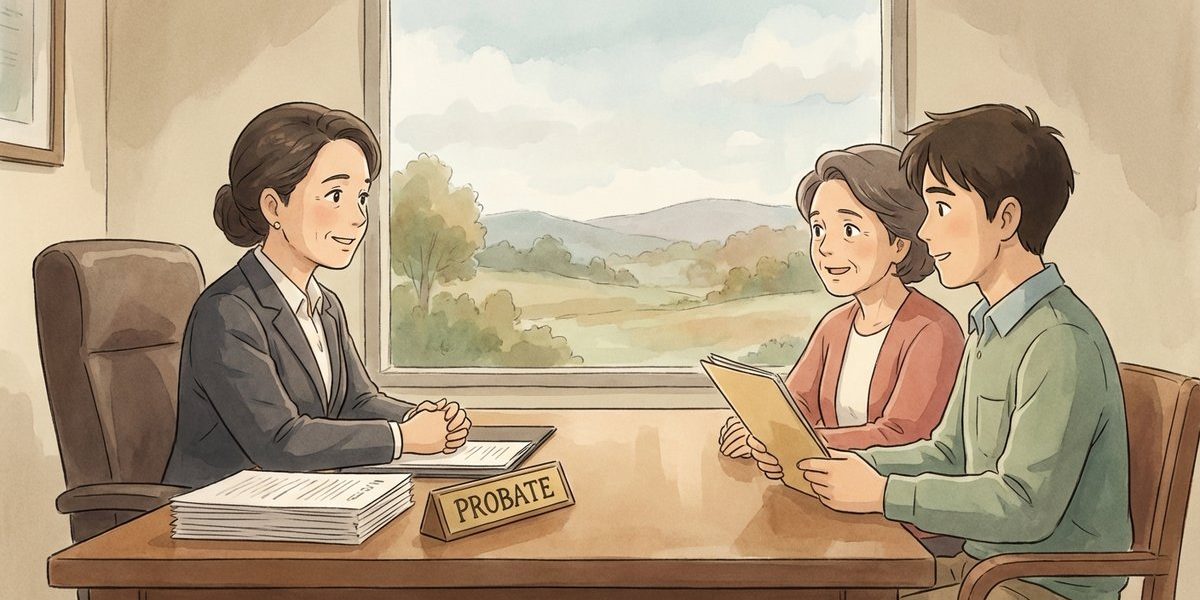
Who is the right person to speak with about a deceased person’s estate? – North Carolina
Short Answer
In North Carolina, the right person to speak with about a deceased person’s estate is usually the court-appointed personal representative (the executor if there is a will, or the administrator if there is no will). That person’s authority typically comes from the Clerk of Superior Court through “letters” issued in the estate proceeding. Until someone is appointed and has those letters, family members and other third parties often do not have legal authority to act for the estate.
Understanding the Problem
In North Carolina probate, who can speak for a deceased person’s estate when a third party contacts a company and asks to discuss the estate? The decision point is whether there is a legally authorized person who can receive information, make decisions, and sign documents on behalf of the estate. In many situations, the key trigger is whether the Clerk of Superior Court has opened an estate file and issued authority to a personal representative.
Apply the Law
North Carolina generally treats an estate as being handled through a probate proceeding overseen by the Clerk of Superior Court. The person with day-to-day authority to gather assets, deal with creditors, and communicate with third parties is the personal representative. A personal representative is expected to administer the estate efficiently and in the best interests of the people with an interest in the estate, using the authority given by North Carolina law, the will (if any), and court orders.
Key Requirements
- Appointment by the Clerk of Superior Court: The personal representative’s authority comes from a formal appointment in an estate proceeding, not just from being a spouse, child, or named beneficiary.
- Proof of authority (“letters”): Third parties commonly look for letters testamentary (executor) or letters of administration (administrator) as proof that the person can act for the estate.
- Proper role for the situation: If there is a will, the person named as executor is usually the starting point. If there is no will (or no qualified executor), an administrator is appointed, often from the closest family members under North Carolina priority rules.
What the Statutes Say
- N.C. Gen. Stat. § 7A-241 (Probate jurisdiction) – Gives the Superior Court division (through the Clerk of Superior Court acting as judge of probate) original jurisdiction over probate and estate administration.
Analysis
Apply the Rule to the Facts: Here, a third party contacts a company and asks to speak with someone about a deceased person’s estate in North Carolina. The company’s safest point of contact is the court-appointed personal representative who can show current letters from the Clerk of Superior Court. If no one has qualified yet, the company may need to wait for an appointment or direct the caller to open the estate so a personal representative can be appointed and provide proof of authority.
Process & Timing
- Who files: Typically the person seeking to serve as executor (if there is a will) or administrator (if there is no will). Where: The Clerk of Superior Court (Estates) in the county where the estate is opened in North Carolina. What: An application/petition to probate the will and qualify as executor, or an application/petition to administer the estate and qualify as administrator, along with acceptable evidence of death. When: As soon as practical after death when estate action is needed (for example, to access accounts, handle bills, or transfer property).
- Letters issued: If the Clerk approves the application and the applicant qualifies, the Clerk issues letters that show the personal representative’s authority. Third parties often request a certified copy of the letters before discussing account details or accepting instructions.
- Ongoing administration: The personal representative then gathers assets, addresses valid debts and claims, and distributes property to the proper recipients under the will or North Carolina intestacy rules, with required filings through the Clerk’s office.
Exceptions & Pitfalls
- “Next of kin” is not the same as “authorized”: A spouse, adult child, or beneficiary may have an interest in the estate, but that does not automatically give authority to speak for the estate with a company.
- Confusing estate issues with non-probate assets: Some assets pass outside the estate (for example, certain jointly owned property or beneficiary-designated accounts). Even then, a company may still require specific documentation and may not treat a family member as the estate’s representative.
- Relying on informal documents: A will alone may not be enough for third parties. Many require letters issued by the Clerk of Superior Court before sharing information or processing changes.
For a deeper look at how North Carolina chooses and appoints the person who can act for an estate, see who should serve as the personal representative.
Conclusion
In North Carolina, the right person to speak with about a deceased person’s estate is usually the court-appointed personal representative (executor or administrator) who can show letters issued by the Clerk of Superior Court. Without that appointment, a caller may have an interest in the estate but still lack authority to act for it. The most important next step is to open the estate with the Clerk of Superior Court and obtain letters so a single authorized person can communicate and handle estate business.
Talk to a Probate Attorney
If a company is receiving calls about a deceased person’s estate and it is unclear who has authority to speak or sign, our firm has experienced attorneys who can help explain the North Carolina probate process, who should qualify, and what documentation third parties typically require. Call us today at 919-341-7055.
Disclaimer: This article provides general information about North Carolina law based on the single question stated above. It is not legal advice for your specific situation and does not create an attorney-client relationship. Laws, procedures, and local practice can change and may vary by county. If you have a deadline, act promptly and speak with a licensed North Carolina attorney.

