
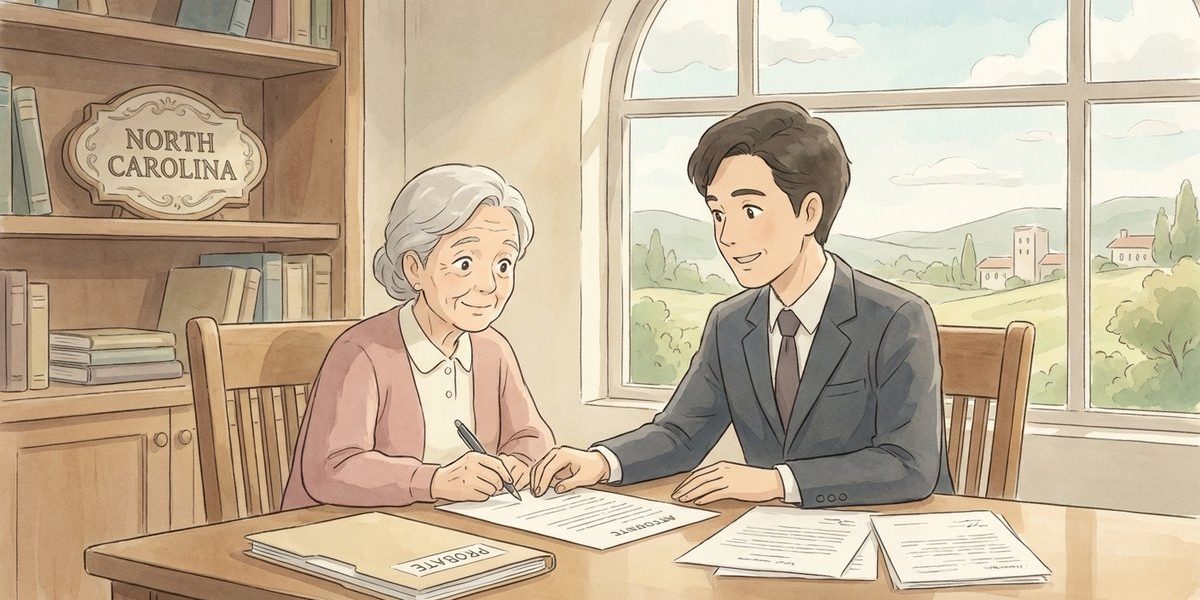
When and how can I renounce my inheritance or rights in the estate after the death certificate is corrected? – North Carolina
Short Answer
In North Carolina, a beneficiary (including a surviving spouse) can refuse an inheritance by signing a written renunciation (also called a disclaimer) and filing it with the Clerk of Superior Court in the county where the estate is (or could be) administered. Timing matters: to be treated as a “qualified” disclaimer (often important for how the law treats the transfer), the renunciation generally must be filed within the federal deadline, commonly nine months from the date the interest became transferable. A death certificate correction may be important for proving spouse status, but the renunciation itself is a separate filing in the estate matter.
Understanding the Problem
In a North Carolina probate case, can a surviving spouse refuse any inheritance or estate rights after a corrected death certificate confirms the decedent’s information and the spouse’s status? The decision point is whether the surviving spouse wants to be recognized as a spouse/heir for purposes of the estate record (and related paperwork) while still declining to receive estate assets. This issue often comes up when another family member opens an estate and lists only certain heirs, and the surviving spouse wants to avoid taking property while also reducing conflict and limiting involvement.
Apply the Law
North Carolina allows an heir or beneficiary to renounce (disclaim) a property interest that would otherwise pass to that person at death. A proper renunciation is a written instrument that is filed with the Clerk of Superior Court in the correct county estate file (or opened as an estate matter if no file exists). If the renunciation is filed within the required time window, North Carolina generally treats the renounced interest as passing as though the renouncing person had predeceased for transfer purposes, which changes who receives the property next.
Key Requirements
- A written renunciation instrument: The refusal must be in writing and should clearly identify the decedent, the estate, and the specific interest being refused (for example, “all intestate share,” a specific bequest under a will, or a survivorship interest).
- Proper filing (and sometimes recording): The renunciation becomes effective when filed with the Clerk of Superior Court in the proper county. If the renunciation involves real estate, it also must be recorded with the Register of Deeds so record title can be updated.
- Correct delivery/notice to the right people: In addition to filing, a copy typically must be delivered to the personal representative (executor/administrator) or other required parties depending on the type of asset (estate, trust, beneficiary designation, survivorship property).
What the Statutes Say
- N.C. Gen. Stat. § 29-10 (Renunciation) – Provides that renunciation of an intestate share is handled under North Carolina’s renunciation statute (Chapter 31B).
- N.C. Gen. Stat. § 31B-2 (Filing and registering of renunciations) – Explains where to file, when the renunciation is effective, and the extra recording step for real property.
- N.C. Gen. Stat. § 31B-2.1 (Delivery of renunciation) – Lists who must receive a copy of the renunciation depending on what is being renounced (estate share, trust interest, beneficiary designation, survivorship property, etc.).
- N.C. Gen. Stat. § 31B-3 (Effect of renunciation) – Describes how the property passes after a timely renunciation (often as if the renouncing person predeceased for transfer purposes) and confirms the renunciation is binding.
Analysis
Apply the Rule to the Facts: Here, the surviving spouse may need a corrected death certificate and possibly a court determination of spouse/heir status to fix the estate record and deal with agencies or the Clerk’s office. Even if the spouse is confirmed as an heir, North Carolina law still allows the spouse to refuse the inheritance by filing a written renunciation in the estate file and delivering copies to the required parties (typically the estate’s personal representative). If the goal is to avoid receiving assets while reducing exposure to disputes, the renunciation should be drafted carefully to match the specific interests being refused (probate assets, real estate interests, and any nonprobate transfers that might exist).
Process & Timing
- Who files: The person refusing the inheritance (here, the surviving spouse). Where: The Clerk of Superior Court (Estates) in the county where the estate is pending; if no estate is pending, in a county where it could be opened as an estate matter. What: A written “Renunciation/Disclaimer” identifying the decedent and the interest being renounced; if real estate is involved, plan to also record it with the Register of Deeds in the county where the property is located. When: File as early as possible; for a “qualified” disclaimer, the filing must meet the federal timing rule referenced in North Carolina’s statute (commonly within nine months of the completed transfer for transfer-tax purposes).
- Deliver copies: Provide copies to the personal representative (executor/administrator) or, depending on the asset, the trustee or the institution obligated to pay (for example, a pay-on-death account). North Carolina law has detailed delivery rules by asset type, so the correct recipients matter.
- Confirm the estate’s next distribution step: After a valid renunciation, the renounced interest passes to the next person(s) under the will, intestacy rules, or the controlling beneficiary/survivorship rules, as if the renouncing person had not taken that interest.
Exceptions & Pitfalls
- Renouncing “the estate” is not always one thing: Probate property, survivorship property, and beneficiary-designation assets can follow different paths. A renunciation may need to address each interest separately, and delivery requirements can differ by asset type.
- Real estate requires an extra recording step: Filing with the Clerk makes the renunciation effective, but record title issues can linger until the renunciation is recorded with the Register of Deeds in the county where the land is located.
- Timing and prior actions can complicate the result: Waiting too long can change how the law treats the transfer. Also, signing other documents, taking control of property, or making deals about the inheritance can create disputes about what was accepted versus refused.
- Pressure to “sign away rights” can backfire: A renunciation is different from a private family settlement or a broad release. Before signing anything presented by other heirs, it helps to confirm what rights are being waived and what the document does to future claims and deadlines. Related reading: sign paperwork giving up rights under pressure.
Conclusion
In North Carolina, a surviving spouse can renounce (disclaim) an inheritance by signing a written renunciation and filing it with the Clerk of Superior Court in the county where the estate is (or could be) administered, then delivering copies to the required parties. If real estate is involved, the renunciation should also be recorded with the Register of Deeds. If the renunciation is meant to be a “qualified” disclaimer, timing is critical—often within nine months under the rule referenced in N.C. Gen. Stat. § 31B-2(a). Next step: file the written renunciation in the estate matter with the Clerk of Superior Court within that deadline.
Talk to a Probate Attorney
If a surviving spouse needs to correct a death certificate, confirm spouse/heir status in an estate file, and still refuse inheritance rights without creating new problems, our firm has experienced attorneys who can help explain options and timelines under North Carolina probate procedure. Call us today at (919) 341-7055.
Disclaimer: This article provides general information about North Carolina law based on the single question stated above. It is not legal advice for your specific situation and does not create an attorney-client relationship. Laws, procedures, and local practice can change and may vary by county. If you have a deadline, act promptly and speak with a licensed North Carolina attorney.

