
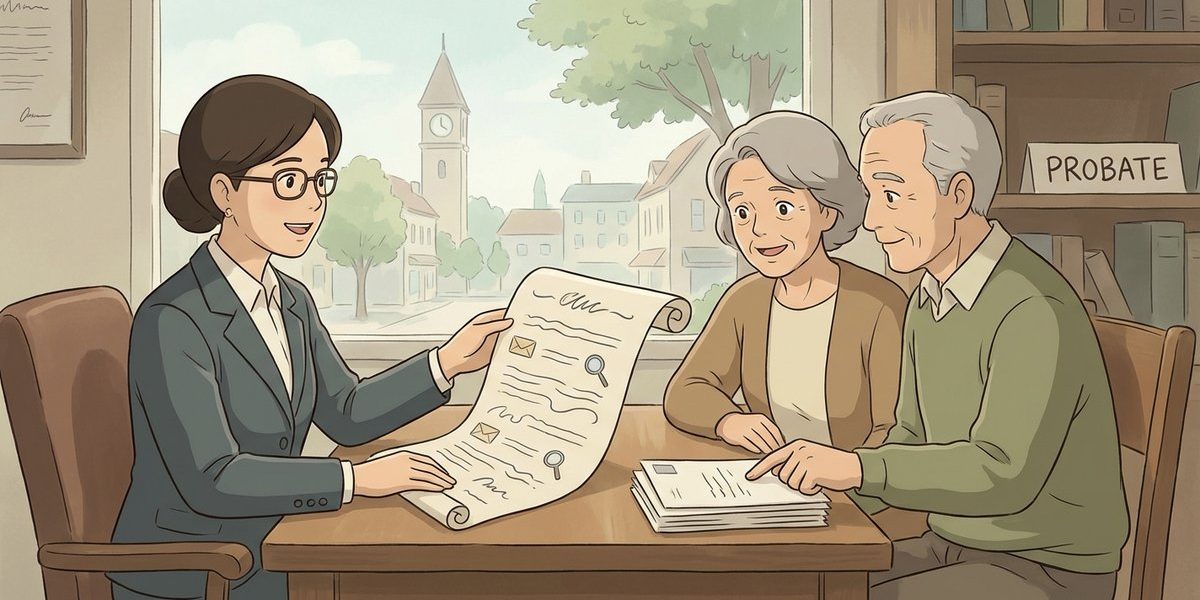
How do I find out whether there are any other creditors who might file claims against the estate? – North Carolina
Short Answer
In North Carolina, the main way to flush out unknown creditors is to publish a formal Notice to Creditors for the estate and to mail that notice to any creditors who are actually known or can be reasonably found. After proper notice runs, most creditor claims are barred if they are not presented by the deadline (often at least three months from first publication, with a possible later deadline for certain “known” creditors who receive mailed notice). In practice, the best approach is a combination of (1) required legal notice and (2) a careful records review to identify likely creditors before the deadline closes.
Understanding the Problem
In a North Carolina probate administration, can the personal representative confirm whether any other creditors might still file claims against the estate, beyond the creditors already identified, and what steps control that timeline?
Apply the Law
North Carolina estate administration uses a notice-and-deadline system. The personal representative (sometimes called the “PR”) generally gives public notice to creditors by publishing a Notice to Creditors, and must also send that notice to certain creditors who are known (or reasonably discoverable). Creditors then must present claims in the manner and within the time allowed by statute, or the claim may be barred. The Clerk of Superior Court (Estates) in the county where the estate is pending is the main office involved in receiving filings and overseeing required proof of notice.
Key Requirements
- Publish notice: The PR generally must publish a Notice to Creditors once a week for four consecutive weeks in a qualifying newspaper (or use the statutory posting alternatives if no qualifying paper exists in the county).
- Mail notice to “known” creditors: Within the statutory window after letters are issued, the PR must personally deliver or mail the notice to creditors with unsatisfied claims who are actually known or can be reasonably ascertained.
- Track the claims deadline: The notice must set a claim deadline at least three months from the first publication (and some creditors who receive mailed notice may have a later deadline tied to the mailing date).
What the Statutes Say
- N.C. Gen. Stat. Chapter 28A (Administration of Decedents’ Estates) – The chapter that contains North Carolina’s rules on notice to creditors and creditor claim deadlines in probate.
Analysis
Apply the Rule to the Facts: Here, a probate matter is underway and some creditors are already known (including a medical provider and a home services vendor). The practical risk is that another creditor exists but has not been identified yet, and could still present a timely claim. The most reliable way to reduce that risk is to (1) confirm that the estate’s Notice to Creditors was properly published and (2) confirm that mailed notice went out to any creditors who were known or reasonably discoverable from the decedent’s records and mail.
Process & Timing
- Who files: The personal representative (or the personal representative’s attorney). Where: The Clerk of Superior Court (Estates) in the North Carolina county where the estate is pending. What: Notice to Creditors publication (and later proof/affidavits showing publication and mailed notice). When: Publication runs once a week for four consecutive weeks, and the claim deadline in the notice must be at least three months from the first publication.
- Identify “reasonably discoverable” creditors: Review the decedent’s mail, email, and financial records for recurring bills and collection letters; pull account statements from the estate’s accounts (and, when available, the decedent’s pre-death statements) to spot payments to vendors, lenders, or medical providers that may indicate an unpaid balance.
- Confirm the deadline that controls late claims: Keep a single calendar that tracks (a) the first publication date, (b) the claim deadline stated in the notice, and (c) the mailing date for any known-creditor notices (because that mailing can extend the deadline for that creditor in some situations). After the deadline passes, the PR can usually move forward with fewer unknown-claim surprises when preparing the estate accounting and planning distributions.
Exceptions & Pitfalls
- Incomplete creditor search: North Carolina requires mailed notice to creditors who are actually known or can be reasonably ascertained. A rushed review of mail and statements can miss a creditor and complicate later accounting and distribution decisions.
- Publication errors: Mistakes in the notice (wrong dates, wrong address, or publication problems) can create disputes about whether the claims period ran correctly. It is important to verify the first publication date and keep proof of publication.
- Not all claims are treated the same: Some categories of claims can have different rules (including certain government-related claims and claims tied to available insurance coverage). When a claim arrives late, the details matter before assuming it is barred.
Conclusion
In North Carolina, the best way to find out whether other creditors might still file claims is to confirm that the estate gave proper Notice to Creditors (publication) and that required mailed notice went to any creditors who were known or reasonably discoverable. The notice must set a deadline that is at least three months from the first publication, and some known-creditor notices can affect the final deadline for that creditor. Next step: confirm the first publication date and calendar the claim deadline, then complete a records review to identify any additional creditors before distributions are planned.
Talk to a Probate Attorney
If a North Carolina estate is in administration and there is concern about unknown creditor claims (or the estate accounting requires complete statements and a clean claims timeline), our firm has experienced attorneys who can help explain the notice rules, deadlines, and next steps. Call us today at (919) 341-7055.
Disclaimer: This article provides general information about North Carolina law based on the single question stated above. It is not legal advice for your specific situation and does not create an attorney-client relationship. Laws, procedures, and local practice can change and may vary by county. If you have a deadline, act promptly and speak with a licensed North Carolina attorney.

