
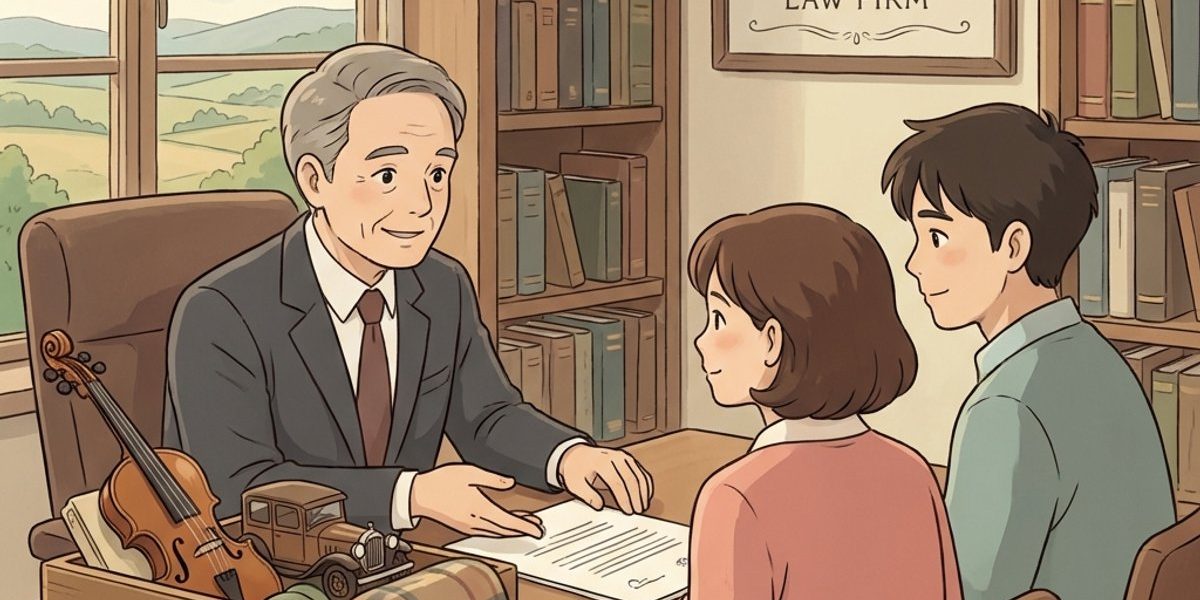
What happens if probate is still open but someone is trying to take or keep personal property like firearms, instruments, or a vehicle? – North Carolina
Short Answer
In North Carolina, once a personal representative (executor/administrator) is appointed, that person has the legal authority to collect, safeguard, and control estate property while probate is open. If someone takes or refuses to return estate property, the personal representative (and in some situations another “interested person”) can ask the Clerk of Superior Court to order the property turned over, and can also pursue a civil action to recover the property or its value. The right approach depends on whether the item is truly an estate asset, a valid lifetime gift, or a non-probate asset.
Understanding the Problem
In North Carolina probate, the core question is: when an estate is still being administered, can a family member keep or take personal property that appears to belong to the estate (such as firearms, musical instruments, or a vehicle) before the personal representative finishes the administration and makes distributions. The issue usually turns on whether the item is part of the probate estate, who has authority to possess it during administration, and what procedure the Clerk of Superior Court can use to require return of the property while the estate remains open.
Apply the Law
North Carolina places probate and estate administration under the Clerk of Superior Court (acting as the probate judge). During an open estate, the personal representative has a duty to locate, collect, and preserve estate assets and then distribute them according to the will (or intestacy law) after paying valid expenses and claims. If a third party is holding estate property without a valid reason, North Carolina law provides a probate-based “discovery of assets” procedure to examine the person and demand return, and it also allows civil remedies to recover the property or damages for wrongful interference with possession.
Key Requirements
- Estate property vs. non-estate property: The item must actually belong to the decedent’s probate estate (not a valid lifetime gift, not jointly owned with survivorship, and not controlled by a beneficiary designation).
- Proper authority to act: Usually the personal representative is the person with authority to demand possession and take action on behalf of the estate while probate is open.
- Proof and documentation: The estate typically needs practical proof the item exists and is an estate asset (titles/registrations, serial numbers, photos, appraisals, written communications, or witness information about possession and transfer).
What the Statutes Say
- N.C. Gen. Stat. § 7A-241 (Probate jurisdiction) – gives the Clerk of Superior Court exclusive original jurisdiction over probate and estate administration.
- N.C. Gen. Stat. § 30-20 (Year’s allowance; deficiency judgment) – allows the clerk to award certain personal property as a year’s allowance and, if property is insufficient, enter a deficiency judgment against the estate to be satisfied when assets later come into the personal representative’s hands.
- N.C. Gen. Stat. § 99A-1 (Interference with property rights) – creates a civil right of action for wrongful taking/interference with personal property, including potential damages in appropriate cases.
- N.C. Gen. Stat. § 1-230 (Judgment in action to recover personal property) – allows a court to award possession (or value if possession cannot be had) and damages for detention in an action to recover personal property.
Analysis
Apply the Rule to the Facts: The facts describe an open estate where a surviving spouse believes certain items (including an older vehicle and firearms) are estate-related and referenced in a deficiency judgment, while another family member claims property as gifts mentioned in the will. If probate is still open and a personal representative has been appointed, the personal representative generally controls estate personal property during administration and should account for it on the inventory and in accountings. If the other family member is holding items that are actually estate assets (not completed lifetime gifts), the estate can use probate procedures to demand return and, if needed, pursue civil remedies to recover the property or its value.
Process & Timing
- Who files: Usually the personal representative (executor/administrator). In some situations, another “interested person” may be able to start a probate proceeding to address possession of estate property. Where: the Clerk of Superior Court handling the estate (estate file) and, depending on the remedy, potentially Superior Court for a civil action. What: a verified petition asking the clerk to require a person believed to possess estate property to appear, be examined, and return the property (often described as a “discovery of assets” or proceeding to recover estate property). When: typically as soon as the issue is identified, because the personal representative has an ongoing duty to collect and preserve assets during administration.
- Clerk hearing and order: The clerk can set a hearing, take evidence about ownership and possession, and enter an order directing delivery of the property to the personal representative if the clerk finds no valid basis to keep it. If the property is not returned after an order, enforcement can involve contempt-type remedies through the clerk’s authority.
- Civil recovery (if needed): If the dispute is better handled as a civil claim (for example, the property is gone, sold, or damaged, or the case needs broader civil remedies), the estate may file an action to recover the property or its value and damages for detention under North Carolina civil law.
Exceptions & Pitfalls
- “It was a gift” disputes: A will does not make a lifetime gift happen. A family member claiming “the will says it’s mine” may still have to wait until the personal representative distributes it. On the other hand, if the decedent made a completed lifetime gift (delivery plus intent, with the recipient accepting), the item may not be an estate asset at all.
- Title and registration issues: Vehicles often require title-based proof. If the title is still in the decedent’s name, that usually supports estate ownership, but facts can vary (for example, joint ownership or transfer before death).
- Firearms safety and compliance: Firearms should be handled carefully. The personal representative may need secure storage and should avoid informal “hand-offs” while ownership is disputed, especially if there are questions about lawful possession or transfer.
- Inventory/accounting gaps: If major items are missing from the estate inventory or later accountings, that can fuel disputes and delay closing. It often helps to document what exists, where it is, and who has it, and then address it through the clerk’s process. (For more on that topic, see challenge or correct an estate inventory.)
- Non-probate assets get mixed in: Life insurance is commonly a non-probate asset paid by beneficiary designation, not by the will. A dispute about who should receive life insurance proceeds often requires a separate beneficiary/designation review and may not be resolved inside the estate administration file.
- Reimbursement vs. distribution: Funeral expenses paid by a family member may be reimbursable as an estate expense depending on the circumstances and documentation, but reimbursement is usually handled through the estate’s accounting process rather than by taking property “in exchange.”
Conclusion
When probate is still open in North Carolina, the personal representative generally controls and must safeguard estate personal property until proper distribution. If someone takes or refuses to return items that belong to the estate, the personal representative can ask the Clerk of Superior Court to require the person to appear, be examined, and deliver the property, and the estate may also pursue a civil action to recover the property or its value. The next step is to file a verified petition with the Clerk of Superior Court promptly once the property and possessor are identified.
Talk to a Probate Attorney
If probate is still open and a family member is trying to take or keep estate property like firearms, instruments, or a vehicle, our firm has experienced attorneys who can help explain the options, the clerk process, and the timelines. Call us today at 919-341-7055.
Disclaimer: This article provides general information about North Carolina law based on the single question stated above. It is not legal advice for your specific situation and does not create an attorney-client relationship. Laws, procedures, and local practice can change and may vary by county. If you have a deadline, act promptly and speak with a licensed North Carolina attorney.

