
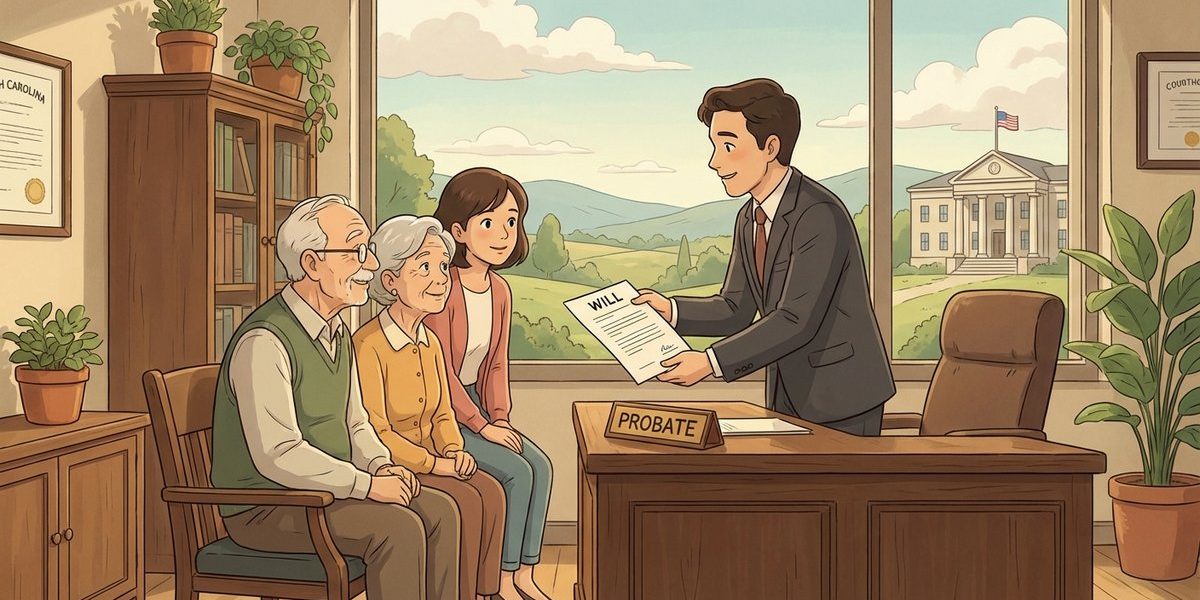
How do I start probate if the original will has been located but the estate was never opened? – North Carolina
Short Answer
In North Carolina, probate starts by taking the original will (or confirming the Clerk has it) to the Clerk of Superior Court in the county where the decedent lived and asking the Clerk to admit the will to probate and open an estate file. If the will has only been “filed” or “recorded” but no estate was opened, the next step is usually to apply for probate and, if needed, qualify a personal representative (often the executor named in the will). Timing matters because delays can create title problems, especially for real estate.
Understanding the Problem
In North Carolina probate, the key question is what to do when an original will exists and can be accessed, but no estate was ever opened with the Clerk of Superior Court. This situation often comes up when a will was placed in a physical file or deposited for safekeeping, but no one completed the step where the Clerk admits the will to probate and issues authority for someone to act for the estate. The decision point is whether the goal is only to get the will formally probated (to establish it as the valid will) or to also open a full estate administration so someone has legal authority to collect assets, pay bills, and transfer property.
Apply the Law
In North Carolina, the Clerk of Superior Court (as judge of probate) has original jurisdiction over probate and estate administration. Probate is the court process where the Clerk accepts the will as valid and places it into the estate record. If estate work is needed (collecting assets, paying creditors, transferring titles), a personal representative must usually qualify and receive “letters” from the Clerk. A will that is merely on file is not the same as a will that has been admitted to probate, and that difference can matter for property transfers and deadlines.
Key Requirements
- Get the will in front of the right office: The will must be presented to (or located by) the Clerk of Superior Court with probate jurisdiction for the decedent’s estate.
- Ask for the correct court action: A request to “file” a will is different from a request to “probate” (admit) the will and, if needed, to open an estate and qualify a personal representative.
- Address timing and authority: If the named executor does not act within a set time after death, an interested person may be able to apply to move probate forward after giving required notice; delays can also affect how the will protects title against certain third parties.
What the Statutes Say
- N.C. Gen. Stat. § 7A-241 (Probate jurisdiction) – gives the Clerk of Superior Court authority over probate of wills and administration of estates.
- N.C. Gen. Stat. § 31-39 (Probate needed to pass title; two-year protection rule) – explains why getting a will duly probated can matter for passing title and protecting against certain claims by lien creditors or purchasers.
- N.C. Gen. Stat. § 31-11 (Will depository at Clerk’s office) – allows wills to be deposited with the Clerk for safekeeping during life, which can lead to a will being “found” later in a physical file.
Analysis
Apply the Rule to the Facts: Here, the original will has been located in a physical file and will be scanned and uploaded for access. That is a helpful first step, but scanning and uploading does not automatically mean the will has been admitted to probate or that a personal representative has authority to act. The next step is to work with the Clerk of Superior Court to (1) confirm the original will is in the Clerk’s possession and (2) file the proper application to probate the will and open the estate if administration is needed.
Process & Timing
- Who files: Usually the executor named in the will; if the executor will not act, another interested person may be able to apply after giving required notice. Where: Clerk of Superior Court (Estates) in the North Carolina county where the decedent was domiciled at death. What: An application to probate the will and, if needed, an application to qualify as personal representative (the Clerk’s Estates office provides the required forms and instructions). When: As soon as practicable after the will is located; delays can create avoidable complications, especially if real estate is involved.
- Clerk review and probate: The Clerk reviews the will for proper execution and determines what proof is needed (for example, whether the will is self-proved or whether witness proof is required). If accepted, the Clerk admits the will to probate.
- Qualification (if administration is needed): If assets require an estate administration, the personal representative qualifies and receives letters (letters testamentary if an executor qualifies under a will). Those letters are what banks, title companies, and others typically require before releasing or retitling assets.
Exceptions & Pitfalls
- “Filed” is not the same as “probated”: A will can exist in the Clerk’s records without being admitted to probate, and that can leave heirs, beneficiaries, and third parties unsure who has authority to act.
- No qualification vs. full administration: In some estates, it may be possible to probate the will without qualifying a personal representative, but that choice can limit what can be done (for example, collecting assets or handling creditor issues). The right approach depends on what property exists and how it is titled.
- Executor delay or nonresponse: If the named executor does not move the process forward, North Carolina procedure may allow another interested person to initiate probate after required notice. Waiting too long can increase costs and conflict.
- Real estate and county recording: When real property is involved, probate and recording steps can be time-sensitive and county-specific, and missing a step can create a title problem later.
Conclusion
To start probate in North Carolina when the original will has been located but no estate was opened, the next step is to work with the Clerk of Superior Court (Estates) in the county of the decedent’s domicile to have the will admitted to probate and, if needed, to qualify a personal representative so letters can be issued. A will that is only “on file” may not be enough to transfer property. Because delays can affect title protections, the practical next step is to file the probate application with the Clerk promptly.
Talk to a Probate Attorney
If you’re dealing with a situation where an original will has been found but no estate was ever opened, our firm has experienced attorneys who can help explain the steps, the paperwork, and the timelines for starting probate with the Clerk of Superior Court. Call us today at (919) 341-7055.
Disclaimer: This article provides general information about North Carolina law based on the single question stated above. It is not legal advice for your specific situation and does not create an attorney-client relationship. Laws, procedures, and local practice can change and may vary by county. If you have a deadline, act promptly and speak with a licensed North Carolina attorney.

