
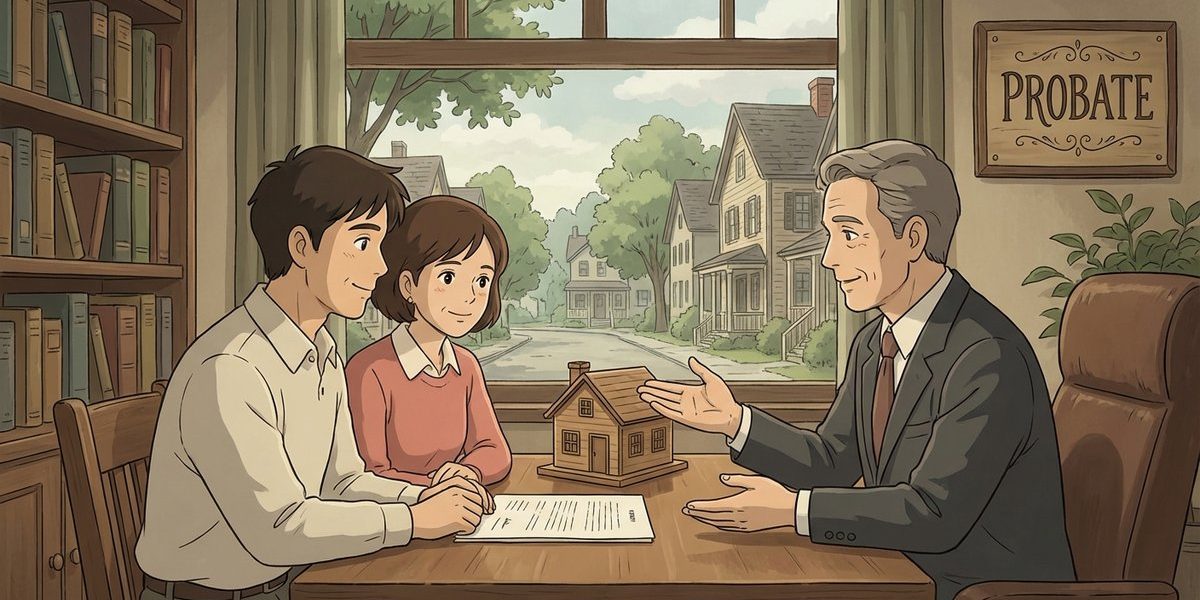
Can I keep living in the deceased relative’s house while the estate is being handled, and could I get in trouble for staying there? – North Carolina
Short Answer
Sometimes, but it depends on who has the legal right to possess the home during the estate process. In North Carolina, title to a decedent’s real estate generally vests in the heirs (if there is no will) or the devisees (if there is a will) as of the date of death, but the personal representative can take possession and control of the property if that is needed for proper administration. Staying in the home without clear permission can create legal risk, including an order to leave and possible claims that the occupant interfered with estate administration.
Understanding the Problem
In North Carolina probate, the key question is: can a family member who lived with the decedent keep living in the decedent’s house while the Clerk of Superior Court determines whether a will exists and an estate is opened. The decision point is who has the right to possess the home during the gap between death and the appointment of a personal representative (executor or administrator), and what happens if someone stays in the home without authority. This issue often comes up when the home is paid off, multiple family members may claim an interest, and important papers are being gathered while the estate file is being located or opened.
Apply the Law
Under North Carolina law, a decedent’s real property generally passes to heirs (if intestate) or devisees (if testate) as of the date of death, subject to the estate administration process. Even so, a personal representative has statutory authority to take possession, custody, and control of the decedent’s real property when the personal representative determines it is in the best interest of the estate administration, including the ability to seek an order to remove an occupant through an estate proceeding. Practically, that means living in the home can be allowed if the lawful owners (heirs/devisees) agree and it does not interfere with administration, but it can become a problem if the personal representative needs access, needs to secure the property, needs to sell it, or believes the occupancy is harming the estate.
Key Requirements
- Right to possess the home: Possession usually follows who owns the interest after death (heirs or devisees), but it can be overridden temporarily if the personal representative takes control for administration.
- Authority of the personal representative: Once appointed, the personal representative can manage and protect estate property and may seek an order to eject an occupant if necessary for administration.
- No interference or “self-help” with estate property: Using the home (or removing items from it) in a way that looks like taking ownership, hiding assets, or blocking access can trigger court involvement and potential claims by heirs, devisees, or the personal representative.
What the Statutes Say
- N.C. Gen. Stat. Chapter 28A (Administration of Decedents’ Estates) – sets the framework for estate administration and the personal representative’s powers and court proceedings through the Clerk of Superior Court.
- N.C. Gen. Stat. § 30-15 (Spouse’s allowance) – provides a support allowance process for a surviving spouse, with a six-month deadline after letters issue if a personal representative is appointed.
- N.C. Gen. Stat. § 30-17 (Child’s allowance) – provides a support allowance process for certain children, also tied to a six-month deadline after letters issue if a personal representative is appointed.
Analysis
Apply the Rule to the Facts: Here, the home was owned by the decedent and is paid off, and a relative lived in the home with the decedent. If a will is found and probated, the people named to receive the house generally become the owners (subject to administration). If no will exists, the heirs under North Carolina intestacy law generally become the owners (subject to administration). Either way, once a personal representative is appointed, that person may decide the estate needs control of the home (for security, insurance, repairs, creditor issues, or sale), and the occupant may be required to leave if continued occupancy is not in the estate’s best interest.
Process & Timing
- Who files: A person with priority (often a spouse, adult child, or other heir) applies to serve as personal representative. Where: The Clerk of Superior Court (Estates) in the county where the decedent lived at death. What: An application to probate the will (if located) and/or to open an estate and be appointed (letters testamentary or letters of administration). When: As soon as practical after death, especially if bills must be paid, property must be secured, or there is disagreement about who may stay in the home.
- Control decision: After appointment, the personal representative evaluates whether the estate needs possession and control of the home (for example, to secure valuables, maintain insurance coverage, arrange repairs, or prepare for sale). If the occupant and the personal representative agree, the arrangement is often documented in writing (such as a short-term occupancy agreement covering utilities, maintenance, and access).
- If there is a dispute: The personal representative can ask the Clerk of Superior Court for relief through an estate proceeding, including an order addressing possession and, when appropriate, removal of an occupant. If the occupant is a tenant under a landlord-tenant arrangement, different procedures may apply.
Exceptions & Pitfalls
- “I lived there, so I can stay” is not a rule: Prior cohabitation does not automatically create a legal right to stay once the estate needs control, especially after a personal representative is appointed.
- Removing items from the home can create serious conflict: Gathering documents for probate is common, but taking property (especially titles, keys, firearms, collectibles, or financial items) without transparency can lead to accusations of hiding or converting estate property and can trigger court proceedings to recover property.
- Insurance, taxes, and upkeep still matter: Even when a home is paid off, someone must keep it insured, prevent damage, and address property taxes and basic maintenance. If occupancy increases risk (unreported vacancy/occupancy changes, damage, unauthorized occupants), the personal representative may act quickly to take control.
- Vehicle titles and jointly titled property: Titled vehicles may require specific transfer steps, and a jointly titled vehicle with a surviving spouse may follow survivorship rules depending on how it is titled. Mixing up “estate property” versus “survivorship property” often causes disputes during administration.
- Do not block access: Refusing reasonable access to the personal representative, heirs/devisees, or appraisers can be used as a reason to seek a court order for possession and removal.
For a broader overview of what happens after someone dies and an estate must be opened, see what the probate process looks like.
Conclusion
In North Carolina, a relative may be able to keep living in a decedent’s house during probate, but only if the lawful owners and the estate administration process allow it. Title to real estate generally vests in heirs or devisees at death, yet a personal representative can take possession and control when it is needed for administration and can seek an order to remove an occupant. The most practical next step is to open the estate with the Clerk of Superior Court and get a personal representative appointed so occupancy can be addressed clearly and in writing.
Talk to a Probate Attorney
If you’re dealing with a situation where someone is living in a deceased relative’s home while the estate is pending, our firm has experienced attorneys who can help explain who has the right to possess the property, how the Clerk of Superior Court process works, and what timelines to watch. Call us today at [919-341-7055].
Disclaimer: This article provides general information about North Carolina law based on the single question stated above. It is not legal advice for your specific situation and does not create an attorney-client relationship. Laws, procedures, and local practice can change and may vary by county. If you have a deadline, act promptly and speak with a licensed North Carolina attorney.

