
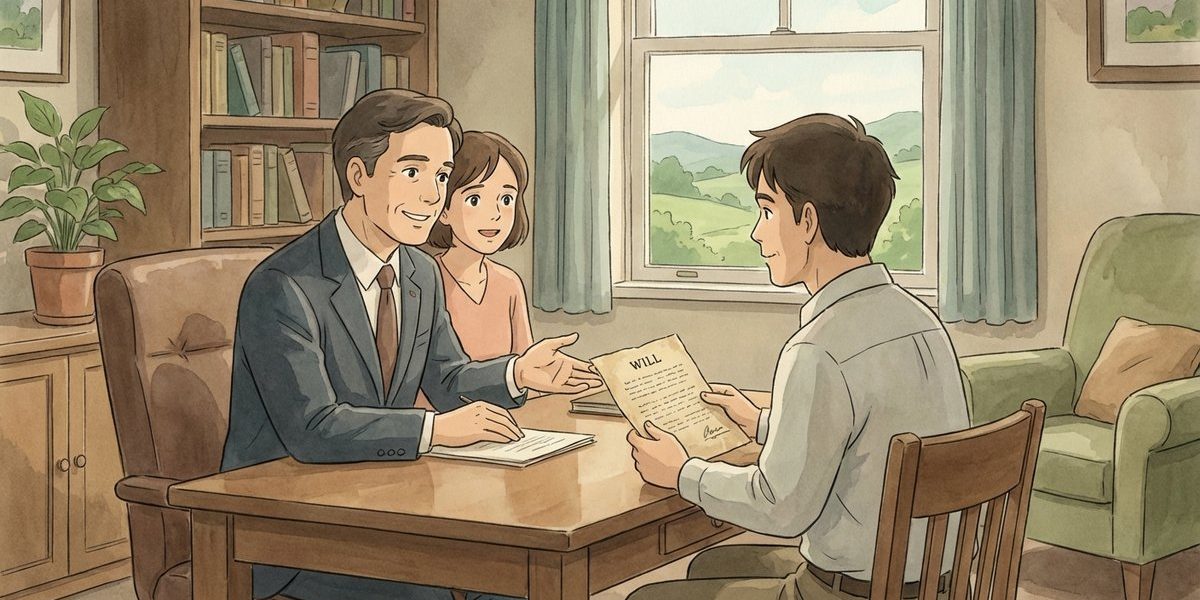
How can I tell if the will we found is legally valid and enforceable? – North Carolina
Short Answer
In North Carolina, a will is usually valid if it was properly signed and witnessed (an “attested” will) or, in some cases, if it was entirely handwritten and signed by the person who made it (a “holographic” will). “Enforceable” generally means the will can be admitted to probate by the Clerk of Superior Court and then used to transfer property through the estate process. The fastest way to tell is to identify what type of will it is, check whether it meets the signing/witnessing rules, and confirm it can be probated in the correct county.
Understanding the Problem
Under North Carolina probate law, the key question is whether the document found after a death qualifies as a valid will that the Clerk of Superior Court can admit to probate, so the estate can be handled under that document instead of by heirship rules. The decision point is whether the paper is a legally recognized will (for example, a witnessed will or a handwritten will) and whether it can be accepted by the Clerk as the controlling document for the estate administration.
Apply the Law
North Carolina recognizes different kinds of wills, and the validity checklist depends on the type. Most wills are “attested” (signed and witnessed). Some are “holographic” (handwritten). A will becomes practically enforceable when it is admitted to probate in the estate file by the Clerk of Superior Court in the county with jurisdiction over the estate. If the will is self-proved, probate is often simpler because the Clerk can rely on the notarized self-proof instead of tracking down witnesses.
Key Requirements
- Recognized will type: The document must fit a type North Carolina law recognizes (most commonly an attested written will or a holographic will).
- Proper execution for that type: For an attested will, that usually means the person making the will signed it and at least two competent witnesses signed as witnesses. For a holographic will, it generally must be entirely in the testator’s handwriting and signed as required by statute.
- Probate acceptance by the Clerk: The will must be offered to the Clerk of Superior Court for probate, and the Clerk must be satisfied the execution requirements are met (often through a self-proving affidavit, witness testimony/affidavits, or other permitted proof).
What the Statutes Say
- N.C. Gen. Stat. § 31-3.2 (Kinds of wills) – Recognizes attested written wills and holographic wills (and limited oral wills) as types of wills under North Carolina law.
- N.C. Gen. Stat. § 31-3.4 (Holographic will) – Defines the requirements for a valid holographic (handwritten) will.
- N.C. Gen. Stat. § 31-11.6 (Self-proved wills) – Allows an attested will to be “self-proved” through notarized acknowledgments/affidavits, which can reduce the need to locate witnesses later.
- N.C. Gen. Stat. § 31-39 (Probate necessary to pass title; two-year protection rule) – Explains why timely probate matters, including a two-year rule that can affect enforceability against certain lien creditors or purchasers.
Analysis
Apply the Rule to the Facts: Here, the estate initially appeared to be headed toward an heirship-based approach (using an heirship-related affidavit), but a will was later located. That changes the decision point: if the will is valid and admitted to probate, the estate generally follows the will rather than default heirship rules. The practical next step is to identify whether the document is an attested will (witness signatures) or a holographic will (entirely handwritten), and then prepare to offer it to the Clerk of Superior Court for probate with the proof the Clerk will require.
Process & Timing
- Who files: The person named as executor in the will (or another interested person if needed). Where: The Clerk of Superior Court (Estates) in the county with jurisdiction over the decedent’s estate in North Carolina. What: The original will (not a copy, unless a specific procedure applies), plus the probate application and supporting proof (often including witness affidavits or a self-proving affidavit if attached). When: As soon as reasonably possible after death, especially if real estate or third parties are involved.
- How the Clerk evaluates validity: If the will is self-proved, the Clerk typically reviews the notary certificate and self-proof language and may not require locating witnesses. If it is not self-proved, the Clerk commonly requires proof from the subscribing witnesses (or other permitted proof if witnesses are unavailable).
- What “enforceable” looks like: Once admitted to probate, the will becomes the operative document for estate administration, and the executor can qualify and act under the Clerk’s supervision (collect assets, pay valid debts, and distribute property as the will directs).
Exceptions & Pitfalls
- “Looks official” is not the test: A document can look formal and still fail if it lacks the required signatures/witnessing for an attested will or fails the handwriting rules for a holographic will.
- Self-proved vs. not self-proved: A self-proving affidavit can make probate much smoother because it can reduce the need to find witnesses years later. If the will is not self-proved, delays often come from locating witnesses or proving execution another way.
- Later documents and revocation issues: If there is a newer will, a codicil, or evidence the will was revoked, the Clerk may still admit a will in common form, but the dispute can shift into a will contest (caveat) process in the proper forum. For related reading, see file a will caveat if the newer will hasn’t been filed.
- Real estate timing risk: Waiting too long to offer a will for probate can create title problems, especially if heirs have already acted as if there were no will. The two-year rule in N.C. Gen. Stat. § 31-39 is a common trap.
- Proof problems when witnesses are missing: If witnesses cannot be found or are unavailable, the estate may need alternative proof methods allowed by North Carolina procedure. See also prove a will is valid if the witnesses or notary can’t be found.
Conclusion
In North Carolina, a will is usually legally valid if it fits a recognized will type and was executed with the required formalities (most often, signed and witnessed; sometimes, entirely handwritten and signed). A will becomes enforceable in practice when it is offered to, and admitted by, the Clerk of Superior Court in the estate proceeding. If real estate or third parties are involved, the safest next step is to file the original will with the Clerk promptly—ideally within two years from the date of death to avoid title and enforceability problems under N.C. Gen. Stat. § 31-39.
Talk to a Probate Attorney
If you’re dealing with a newly found will and uncertainty about whether it can be probated and enforced in North Carolina, our firm has experienced attorneys who can help explain the requirements, gather the right proof, and map out the timeline. Call us today at (919) 341-7055.
Disclaimer: This article provides general information about North Carolina law based on the single question stated above. It is not legal advice for your specific situation and does not create an attorney-client relationship. Laws, procedures, and local practice can change and may vary by county. If you have a deadline, act promptly and speak with a licensed North Carolina attorney.

