
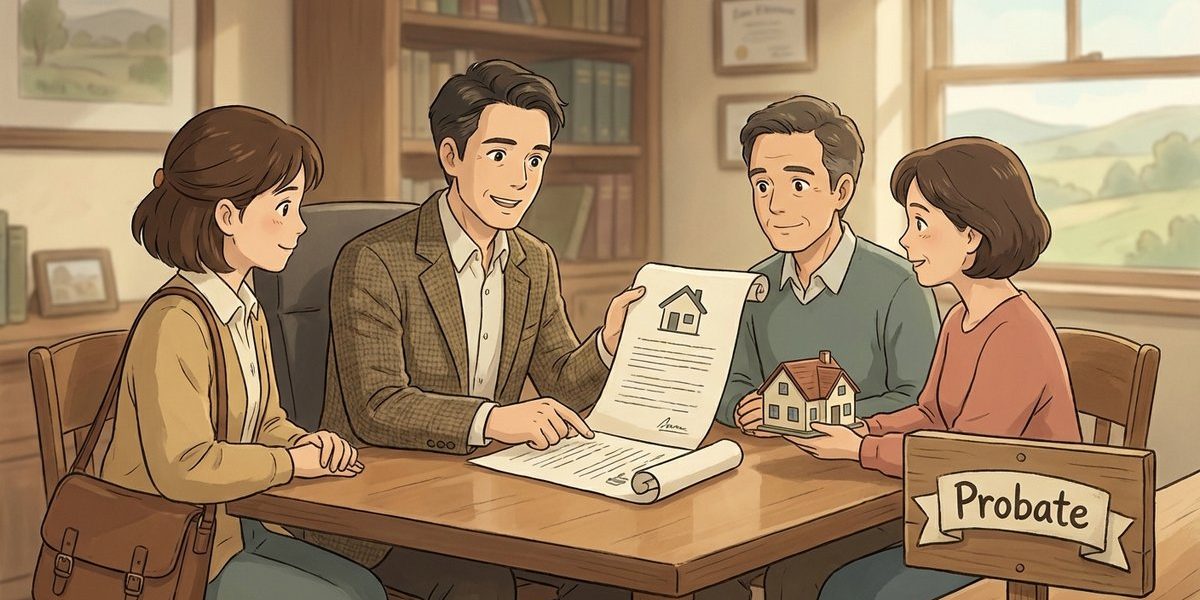
What happens to the house during probate if there is no will and multiple heirs are involved? – North Carolina
Short Answer
In North Carolina, when someone dies without a will, the house generally passes to the legal heirs under the intestate succession laws, but it remains subject to the estate’s debts, expenses, and the probate process. Multiple heirs typically end up owning the home together, which means major decisions (like selling) usually require cooperation or a court process. If the estate needs cash to pay valid debts or administration costs, the personal representative may need to sell the house through a clerk-supervised procedure.
Understanding the Problem
When a North Carolina resident dies without a will, what happens to the house depends on who the heirs are and whether the estate administration needs the house (or sale proceeds) to pay debts and expenses. The key decision point is whether the heirs can agree on what to do with the home (keep it, sell it, or have one heir buy out the others) or whether the estate must involve the Clerk of Superior Court to authorize a sale. With multiple heirs involved, the practical issue is often how title and decision-making work while probate is pending.
Apply the Law
North Carolina’s intestate succession rules control who inherits when there is no will. Even though heirs may become the owners of the home, that ownership is not “free and clear” during probate. The home can remain subject to the estate’s administration, including payment of costs of administration and other lawful claims. The main forum for estate administration and many real-estate-related estate proceedings is the Clerk of Superior Court in the county with jurisdiction over the estate (and, for certain land-sale proceedings, the county where the land is located).
Key Requirements
- Identify the heirs under intestate succession: The home passes to the people the statute calls “heirs” (often a surviving spouse and/or children), based on family relationships and survivorship rules.
- Confirm whether the estate must use the home to pay debts and expenses: Even if heirs take the home, it can be reached to pay administration costs and valid claims if the estate lacks other funds.
- Follow the correct sale/transfer path when there are multiple heirs: If the heirs want to sell, or if the estate needs to sell to create cash, the personal representative and/or the Clerk of Superior Court may need to be involved to pass marketable title.
What the Statutes Say
- N.C. Gen. Stat. § 29-13 (Intestate succession; estate passes subject to administration and claims) – Provides that an intestate estate passes to heirs, but remains subject to administration costs and lawful claims.
Analysis
Apply the Rule to the Facts: Here, the estate includes a house and bank accounts, and there is no will. Under North Carolina intestate succession, the house will pass to the proper heirs, but it can still be affected by probate because the estate may need funds to pay expenses and valid debts. If multiple heirs inherit the house, they will generally have to act together to decide whether to keep it, sell it, or arrange a buyout, and the personal representative may need to participate to deliver clear title if the estate is still being administered.
Process & Timing
- Who files: A qualified heir or other eligible person applies to serve as the estate’s personal representative (administrator). Where: The Clerk of Superior Court (Estates) in the county with jurisdiction over the decedent’s estate in North Carolina. What: An application to open the estate and be appointed, followed by the required estate filings and notices. When: As soon as practical after death, especially if bills must be paid or assets must be accessed.
- Inventory and claims period: The personal representative identifies assets (including whether the house is titled solely in the decedent’s name), determines what passes outside probate, and addresses creditor issues. If the estate needs cash and the house is the main asset, the personal representative may need to pursue a clerk-supervised sale process to create assets to pay debts and expenses.
- Transfer or sale of the house: If the heirs agree to sell and the personal representative confirms the estate will not need the proceeds to pay debts/expenses, the personal representative may need to join in the conveyance so the buyer receives good title. If the heirs do not agree, or if the estate needs the sale proceeds, a court process through the Clerk of Superior Court may be required to authorize a sale.
Exceptions & Pitfalls
- Not everything goes through probate: Life insurance often pays directly to named beneficiaries (if beneficiaries are properly named), and some bank accounts may pass by payable-on-death or joint ownership. Those assets may not be available to pay estate debts unless they are payable to the estate.
- Multiple heirs can create a “decision gridlock”: If one heir wants to keep the home and another wants to sell, the dispute can force a court-supervised process (either through estate sale procedures or a separate partition-type proceeding, depending on the situation).
- Title and closing problems: A buyer and title company often require the correct estate paperwork and signatures. Attempting to sell “informally” without the personal representative’s involvement (when required) can delay or derail a closing.
- Maintenance and carrying costs: Taxes, insurance, utilities, and repairs do not stop at death. If no one has authority to act, the property can deteriorate or coverage can lapse, creating avoidable losses and disputes among heirs.
Conclusion
In North Carolina, if there is no will, the house generally passes to the heirs under intestate succession, but it remains subject to probate administration, including costs and valid claims. With multiple heirs, the home is commonly owned together, and selling or transferring it usually requires coordinated signatures and, in some cases, Clerk of Superior Court involvement. The next step is to open the estate with the Clerk of Superior Court so a personal representative can gather information, confirm who the heirs are, and determine whether the house must be sold to pay estate expenses.
Talk to a Probate Attorney
If there is no will and multiple heirs are involved with a house, the probate steps and the sale/transfer rules can get complicated quickly—especially if the estate needs money to pay expenses or the heirs disagree. Our firm has experienced attorneys who can help explain options and timelines under North Carolina law. Call us today at (919) 341-7055.
Disclaimer: This article provides general information about North Carolina law based on the single question stated above. It is not legal advice for your specific situation and does not create an attorney-client relationship. Laws, procedures, and local practice can change and may vary by county. If you have a deadline, act promptly and speak with a licensed North Carolina attorney.

