
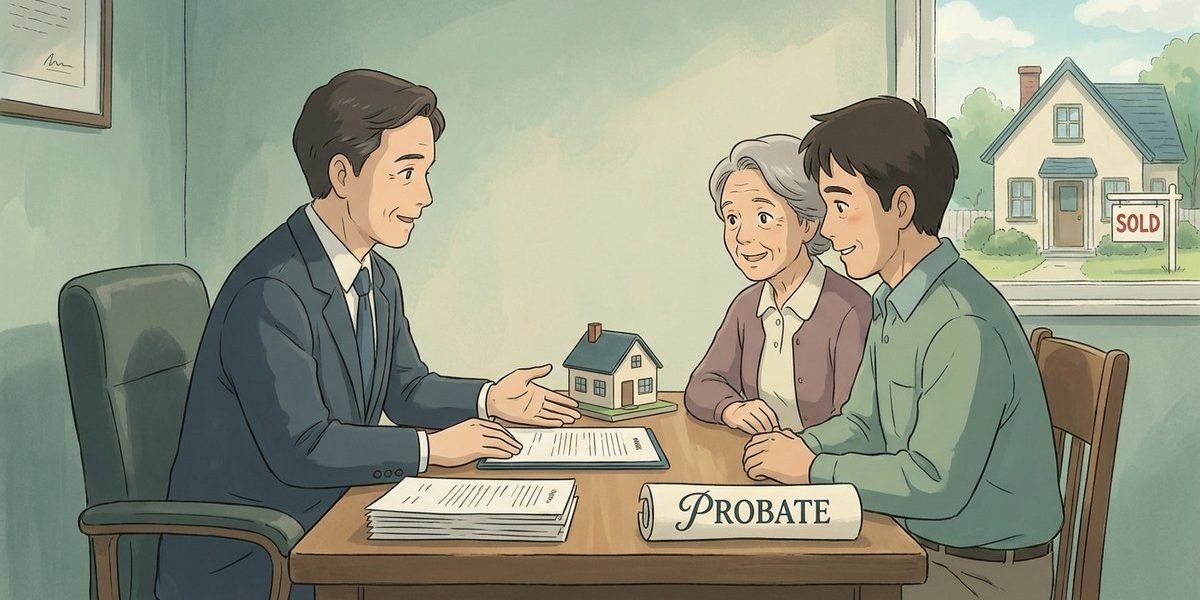
What happens at the two hearings for a probate house sale, and do I have to attend either one? – North Carolina
Short Answer
In North Carolina, a court-supervised probate house sale often involves (1) a hearing (or review) where the Clerk of Superior Court decides whether to authorize the personal representative to take custody/control of the home and sell it, and (2) a later confirmation hearing (or confirmation review) after the sale is reported and the upset-bid period expires. Attendance is not always required, but it can be important if the Clerk has questions, if someone objects, or if the file is missing proof about heirs, liens, notice, or the sale terms.
Understanding the Problem
In North Carolina probate, can a personal representative sell a decedent’s home to pay estate debts (including a Medicaid estate-recovery claim), and what happens at the two court dates that often come up in that process? Must the personal representative attend either hearing before the Clerk of Superior Court when the estate needs court permission to take custody/control of the property and complete a sale?
Apply the Law
When a North Carolina estate needs to sell real property to create assets to pay valid debts, the sale is typically handled as a special proceeding before the Clerk of Superior Court in the county where the property is located. The first court event is usually about authority: whether the Clerk will enter an order allowing the personal representative to take custody/control of the home and proceed with a sale. The second court event is usually about finalizing the transaction: the Clerk confirms the sale after the required upset-bid period runs, and only then can the sale be consummated.
Key Requirements
- Proper authority to sell: The personal representative generally needs a court order in the special proceeding authorizing the sale of the estate’s real property when the sale is needed to pay debts or otherwise administer the estate.
- Proper parties and notice: Heirs/devisees (and sometimes lienholders or other claimants, depending on the situation) must receive proper notice/service so the Clerk has jurisdiction to enter valid orders.
- Sale procedure and confirmation: After a sale is arranged and reported, the sale remains open for upset bids for a set period, and the Clerk cannot allow the closing to occur until the confirmation step happens after that period expires.
What the Statutes Say
- N.C. Gen. Stat. § 1-339.64 (Upset bid on real property; compliance bond) – sets the basic upset-bid rules, including the 10-day upset-bid window and the deposit requirements.
- N.C. Gen. Stat. § 1-339.67 (Confirmation of sale of real property) – states that a judicial sale of real property cannot be consummated until the Clerk confirms it, and confirmation cannot occur until the upset-bid time expires.
- N.C. Gen. Stat. § 1-339.37 (Private sale; confirmation) – addresses confirmation timing for private sales and ties confirmation to the upset-bid period.
- N.C. Gen. Stat. § 1-339.25 (Public sale; upset bid on real property; compliance bond) – defines upset bids and explains the 10-day upset-bid cycle and minimum bid increases for public sales.
Analysis
Apply the Rule to the Facts: Here, the personal representative needs court permission to take custody/control of a vacant home and sell it to pay an estate debt (a Medicaid estate-recovery claim). That commonly triggers a first hearing (or court review) focused on whether the petition is complete, the right parties received notice, and the sale is authorized. After a buyer is lined up and the sale is reported, the second hearing (or review) focuses on whether the upset-bid period has expired and whether the Clerk will enter an order confirming the sale so closing can occur, including addressing any lien payoff/satisfaction issues that affect the deed and closing.
Process & Timing
- Who files: The personal representative. Where: The Clerk of Superior Court (as a special proceeding) in the county where the real property is located in North Carolina. What: A petition asking for custody/control of the real property and authority to sell, plus supporting information about the estate, the property, heirs/devisees, and debts. When: Before listing/contracting in any way that requires court authority, and early enough to avoid delaying payment of valid claims.
- First hearing (authorization/custody-control and order to sell): The Clerk typically checks that the required parties received notice, that the estate has a legitimate administration reason to sell (such as paying claims), and that the requested relief is appropriate. If the file is uncontested and complete, the Clerk may handle it quickly; if someone objects or the Clerk has questions (for example, about heirs, service, or whether a lien must be joined), the matter can take longer and may require live testimony or additional filings.
- Second hearing (confirmation after sale report and upset-bid period): After the sale is arranged and reported, the sale remains open for upset bids for a 10-day period, and that clock can restart if an upset bid is filed. Once the upset-bid period ends with no new upset bid, the Clerk can enter an order confirming the sale, which is the green light needed to close and deliver the deed.
Exceptions & Pitfalls
- Attendance can become “required” if something is disputed: If an heir/devisee objects, if there is a dispute about whether the sale is necessary, or if a lien payoff/satisfaction is unclear, the Clerk may require the personal representative (or counsel) to appear and answer questions or present evidence.
- Service/notice problems can derail the first hearing: If an heir or devisee is not properly made a party and served, the Clerk may not be able to enter a valid order, which can delay the sale and create title/closing problems later.
- Upset bids can delay closing: Even a fully negotiated contract can be delayed by the upset-bid process. Each timely upset bid can restart a new 10-day period, and the “winning” bidder can change.
- Lien issues affect net proceeds and closing: If there is a prior deed of trust or other secured lien, the closing typically must confirm payoff and satisfaction recording. If the estate expects the sale proceeds to pay debts like Medicaid recovery, lien priority and payoff amounts can materially change what funds remain available.
- Deed choice matters: In many probate sales, the deed is structured to avoid personal liability for the personal representative (often avoiding broad warranties), and the Clerk may expect the deed approach to match the court’s order and the closing facts.
For more background on how court hearings and confirmation fit into a court-supervised property sale, see appear at a hearing when the sale is pending closing and next steps after an order confirming the sale.
Conclusion
In North Carolina, a probate house sale that requires court involvement often has two court events: first, the Clerk of Superior Court considers whether to authorize the personal representative to take custody/control and sell the home; second, the Clerk confirms the sale after the 10-day upset-bid period ends so the closing can occur. Attendance is not always mandatory, but it is often the safest approach when the Clerk has questions or any party may object. The next step is to file the petition and supporting documents with the Clerk in the county where the property sits.
Talk to a Probate Attorney
If you’re dealing with a North Carolina probate house sale that needs court approval and a confirmation hearing (especially with Medicaid estate recovery or lien questions), our firm has experienced attorneys who can help explain the process, required filings, and timelines. Call us today at (919) 341-7055.
Disclaimer: This article provides general information about North Carolina law based on the single question stated above. It is not legal advice for your specific situation and does not create an attorney-client relationship. Laws, procedures, and local practice can change and may vary by county. If you have a deadline, act promptly and speak with a licensed North Carolina attorney.

