
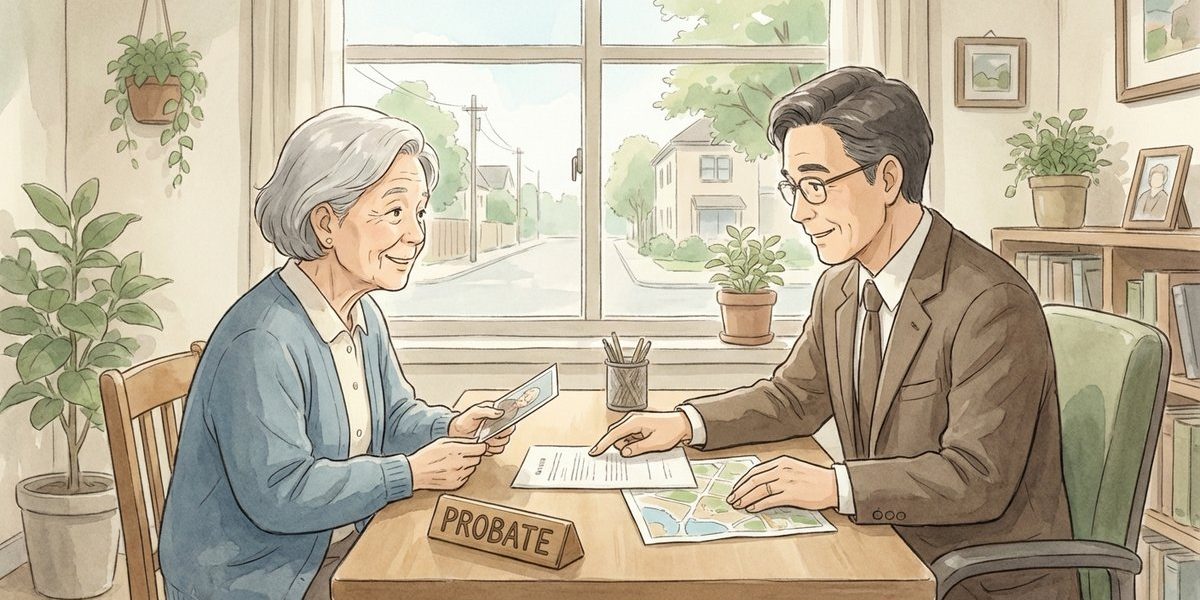
How can I get an adult child and their spouse out of the home after my spouse passed away, especially if ownership is still being sorted out? – North Carolina
Short Answer
In North Carolina, removing an adult child (and their spouse) from a home after a spouse’s death usually requires a court process—either a landlord-tenant eviction (summary ejectment) or an estate/probate proceeding that gives the personal representative authority to take control of the property and seek an order to remove occupants. The right process depends on whether the occupants are treated as “tenants” and whether a personal representative has been appointed. Until ownership and authority are clarified, self-help lockouts and utility shutoffs are risky and can create liability.
Understanding the Problem
In North Carolina probate, the key question is often: can a surviving spouse or the estate require an adult child and the child’s spouse to move out of a home when the deed, parcel boundaries, and ownership interests are not yet clear after a death? The decision point is which legal authority controls possession right now—an individual owner, multiple co-owners, or the estate through a court-appointed personal representative—and what procedure applies to remove occupants from the dwelling and any separate lot or parcel tied to the property.
Apply the Law
North Carolina generally requires a court process to remove residential occupants. If the situation is a landlord-tenant relationship (even informal), the usual route is summary ejectment in small claims court. If the occupants are living there because of a personal relationship with the decedent and the estate needs control of the real property, a personal representative may be able to seek relief through an estate proceeding to take possession and request an order to eject an occupant. Which path applies can turn on how the occupants got possession, whether rent was paid, and whether the estate has an appointed personal representative with authority to act.
Key Requirements
- Clear authority to act: The person trying to remove the occupants must have legal standing—such as being the titled owner, a co-owner with enforceable possession rights, or a court-appointed personal representative acting for the estate.
- Use the correct removal process: If the occupants are treated as residential tenants, removal generally proceeds through summary ejectment (eviction) rather than informal “move out” demands.
- Follow due process and avoid self-help: North Carolina policy requires that residential occupants be removed only through the procedures in the eviction statutes, not by lockouts, shutting off utilities, or removing doors.
What the Statutes Say
- N.C. Gen. Stat. § 42-25.6 (Eviction only through statutory procedure) – States the public policy that a residential tenant may be removed only through the eviction procedures in Chapter 42.
- N.C. Gen. Stat. § 42-26 (Summary ejectment for holding over) – Allows removal of a tenant holding over without permission after demand for surrender, using the statutory process.
- N.C. Gen. Stat. § 7A-223 (Small claims procedure for summary ejectment) – Addresses procedure in small claims summary ejectment cases and what happens if title is disputed.
- N.C. Gen. Stat. § 42-36.2 (Sheriff execution timing and handling property) – Sets rules for the sheriff’s execution of a writ of possession and notice, and addresses handling of personal property during execution.
- N.C. Gen. Stat. § 29-14 (Surviving spouse share in intestacy) – Explains the surviving spouse’s share of real property when there is no will, which can affect who has ownership and possession rights.
- N.C. Gen. Stat. § 30-15 (Spouse’s allowance and timing) – Provides for a spouse’s allowance and includes a six-month deadline to file if a personal representative has been appointed.
Analysis
Apply the Rule to the Facts: Here, the home and land may involve multiple parcels (including an additional lot behind the home), and ownership is still being sorted out after the spouse’s death. That uncertainty matters because the correct “removal” process depends on who currently has the legal right to possession of each parcel and whether the adult child and spouse are treated as tenants or as occupants tied to a family relationship with the decedent. A practical first step is to confirm what the deed(s) actually convey and whether the decedent owned the home, the rear lot, or both—and then align the court process to the correct parcel(s).
Process & Timing
- Who files: Often the court-appointed personal representative (executor/administrator) for the estate, or the person(s) who hold title. Where: Typically the Clerk of Superior Court for the county where the estate is administered for estate proceedings, and/or small claims court (before a magistrate) for summary ejectment. What: A summary ejectment complaint (for landlord-tenant cases) or an estate proceeding seeking authority to take possession/control of the decedent’s real property and remove occupants. When: Timing depends on the chosen procedure; if a spouse’s allowance is part of the overall plan, note the six-month deadline after letters issue to file when a personal representative has been appointed.
- Expect a “title dispute” fork in the road: If the occupants deny the plaintiff’s title in a summary ejectment case, the matter can be moved off the magistrate’s track and placed on the district court civil docket for trial under the statute governing summary ejectment procedure.
- Enforcement: If the court enters judgment for possession, the sheriff executes the writ of possession. North Carolina law controls notice of execution and how personal property is handled during and after execution, so planning for storage and retrieval logistics matters.
Exceptions & Pitfalls
- Using the wrong procedure: Treating family occupants as “tenants” (or not) can change the correct filing. When the wrong process is used, the case can stall or be dismissed, especially if the occupants raise a title dispute.
- Self-help lockouts: Locking occupants out, shutting off utilities, or removing doors can create legal exposure. North Carolina policy requires removal through the statutory eviction process for residential tenants.
- Parcel confusion: When the deed shows separate parcels (home tract vs. rear lot), an order affecting one parcel may not automatically resolve possession issues on the other. A careful deed review and mapping of who occupies what area helps avoid partial, ineffective relief.
- Standing problems before appointment: Before someone qualifies as personal representative, there may be limited authority to act for the estate. If ownership is unclear and the estate needs control of the property, qualifying an executor/administrator can be the step that creates enforceable authority.
- Surviving spouse rights affect leverage: Intestate shares and spousal rights can change who owns what and who can demand possession, so the “right answer” can shift once the estate file is opened and the deed and heirs are confirmed.
For more background on this issue, see adult children staying in the deceased person’s home during probate and, if a sale is part of the plan, sell the estate house before heirship is finalized.
Conclusion
In North Carolina, getting an adult child and their spouse out of a home after a spouse’s death usually requires a court process, and the correct process depends on who has legal authority to control the property while ownership is being sorted out. When the occupants are treated as tenants, summary ejectment is the typical route; when the estate needs control of the real property, a personal representative may need to file an estate proceeding to obtain possession and seek removal. The next step is to open (or confirm) the estate and file the appropriate court action in the proper county.
Talk to a Probate Attorney
If you’re dealing with an adult child and spouse staying in a home after a death while the deed and ownership are still being sorted out, our firm has experienced attorneys who can help explain the options, the correct court process, and the timelines. Call us today at (919) 341-7055.
Disclaimer: This article provides general information about North Carolina law based on the single question stated above. It is not legal advice for your specific situation and does not create an attorney-client relationship. Laws, procedures, and local practice can change and may vary by county. If you have a deadline, act promptly and speak with a licensed North Carolina attorney.

