
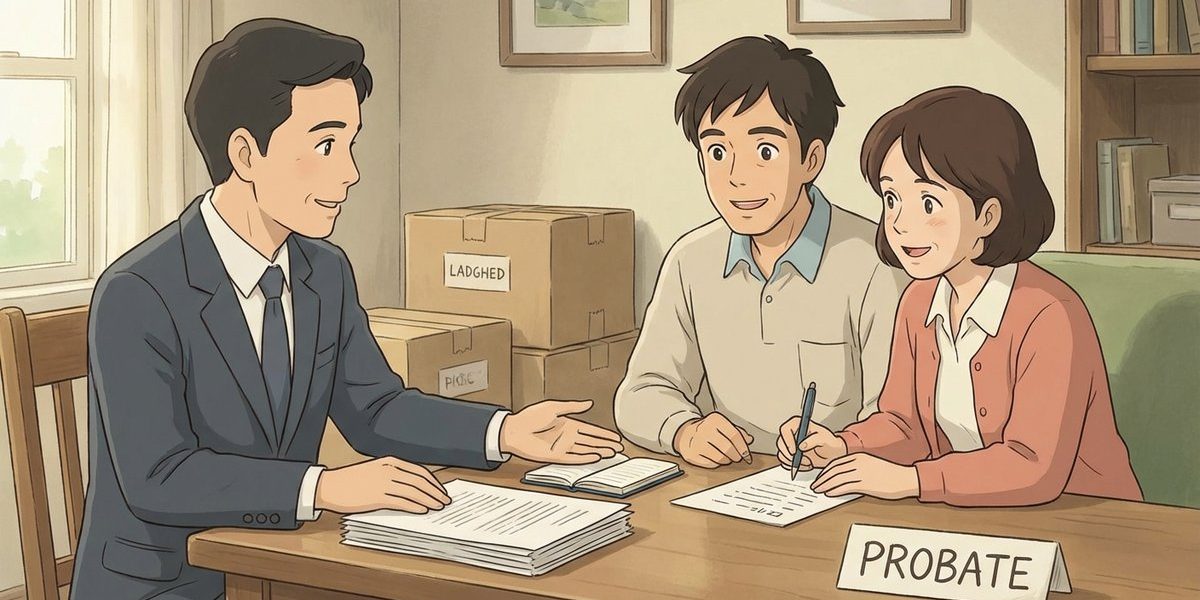
Can we do an estate auction or clear out the home before the estate is opened, and how do we avoid disputes about who gets specific items? – North Carolina
Short Answer
In North Carolina, it is usually safest to wait until a personal representative (executor/administrator) is officially appointed by the Clerk of Superior Court before selling or auctioning a deceased person’s personal property. Before the estate is opened, family members can often take limited steps to secure the home, document what is there, and get bids/quotes, but selling or distributing items early can trigger disputes and create problems for the later estate administration. The best way to reduce fights is to create a written, documented process for identifying, valuing, and allocating items before anything leaves the house.
Understanding the Problem
In North Carolina probate, the decision point is whether heirs can remove, divide, or sell a deceased parent’s household belongings while the estate has not yet been opened with the Clerk of Superior Court. The concern usually comes up when heirs want to sell a home (including during a pending partition case), but the house is still full of personal property and someone wants time to get repair bids and an estate-auction quote to improve the eventual sale value. The practical question is how to move the process forward without creating a later claim that someone took items, gave away valuables, or “picked over” the house before there was authority to do so.
Apply the Law
Under North Carolina law, once a personal representative is qualified/appointed, that person generally has the authority and responsibility to gather, protect, inventory, and (when appropriate) sell estate personal property as part of administration. That structure matters because an estate auction is a sale of estate assets, and sales and distributions are easiest to defend when they are done by the appointed personal representative with good records and a clear plan. Separate from probate administration, a surviving spouse may have statutory rights that can affect household furnishings in the home, which can limit when certain items can be sold.
Key Requirements
- Proper authority to sell: A sale (including an estate auction) is typically best handled after a personal representative is appointed so the seller has clear legal authority and can account for the proceeds as estate funds.
- Documented inventory and valuation: The process should start with identifying what exists, separating clearly personal items from trash/donations, and documenting condition and approximate value so later claims can be evaluated.
- Fair, written allocation method: To avoid disputes over “who gets what,” heirs should use a written agreement or a structured selection process (and receipts) before items are distributed or sold.
What the Statutes Say
- N.C. Gen. Stat. Chapter 28A (Administration of Decedents’ Estates) – sets the framework for estate administration, including the role of the personal representative and court supervision through the Clerk of Superior Court.
- N.C. Gen. Stat. Chapter 28A, Article 16 (Sales) – addresses sales of estate property, including personal property sales handled during administration.
- N.C. Gen. Stat. Chapter 28A, Article 25 (Collection of Personal Property of Decedent) – provides procedures that may apply in limited situations for collecting certain personal property without a full administration.
- N.C. Gen. Stat. Chapter 29 (Intestate Succession) – includes rules that can affect a surviving spouse’s rights, which may impact timing for dealing with household furnishings in the home.
Analysis
Apply the Rule to the Facts: Here, the home is still full of personal belongings while heirs are trying to reach agreement to sell the house during a pending partition case. Getting repair bids and an estate-auction quote is usually consistent with protecting and maximizing value, but actually removing, distributing, or selling items before a personal representative is appointed is where disputes often start. A documented plan (photos, inventory, written rules for who gets what, and a clear “no one removes items” rule until an agreed date) reduces the risk that later someone claims missing property or unfair dealing.
Process & Timing
- Who files: The person nominated in the will (if any) or an eligible heir. Where: The Clerk of Superior Court (Estates) in the North Carolina county where the decedent lived at death (venue rules can vary). What: Application to qualify as personal representative and related estate-opening filings. When: As soon as practical, especially if the home needs to be cleared, insured, maintained, or sold.
- Secure and document the contents: Before anything is removed, create a room-by-room photo/video record, then a written inventory list (even if it is “generalized” at first). If there are potentially valuable items (jewelry, collectibles, antiques, firearms, tools), separate them for safekeeping and consider an appraisal for higher-value items or collections.
- Use a written distribution/sale plan: After appointment, the personal representative can (a) distribute items with signed receipts and refunding agreements, (b) sell items (including through an estate auction), and (c) deposit proceeds into the estate account for later distribution. If the plan is an auction, get a written contract/quote and keep a clear record of what was sold and for how much.
Exceptions & Pitfalls
- “We all agree” is not the same as “we have authority”: Even if heirs agree informally, early removal or sales can still create later conflict, especially if someone changes position, a creditor appears, or a spouse’s rights apply.
- Surviving spouse rights can affect furnishings: If there is a surviving spouse, North Carolina law can restrict selling certain household furnishings from the home place until the spouse’s election period expires, so timing and strategy should be checked before an auction is scheduled.
- Missing-items accusations: The most common fight is “something valuable disappeared.” Avoid this by (a) a written “no removal” rule, (b) a sign-in/log for anyone entering the home, (c) photos/videos, and (d) a simple inventory spreadsheet shared with all heirs.
- Unequal “picking” of sentimental items: A fair method helps—examples include a rotation draft (taking turns), sealed bids with equalization, or assigning categories (photos, heirlooms, tools) with agreed rules. Put the method in writing before anyone starts selecting items.
- Donations and trash-outs without documentation: A fast clean-out can accidentally discard estate property. If a trash-out is necessary, document what is being discarded and keep receipts from haulers/donation centers.
- Partition pressure: When a partition case is pending, personal property disputes can spill into the larger conflict. A written protocol for contents (and a neutral auctioneer/appraiser when needed) can reduce escalation while repair bids and sale planning move forward.
Conclusion
In North Carolina, clearing out a deceased parent’s home and holding an estate auction is usually best handled after the estate is opened and a personal representative is appointed by the Clerk of Superior Court. Before that appointment, the safest approach is to secure the home, document and inventory the contents, and gather repair bids and auction quotes without distributing or selling items. The most important next step is to open the estate and have the appointed personal representative implement a written, documented plan for allocating or selling personal property.
Talk to a Probate Attorney
If a family is dealing with a house full of belongings while trying to sell inherited real estate during a dispute or partition case, a clear probate plan can prevent expensive conflicts and keep the sale moving. Our firm has experienced attorneys who can help explain options and timelines and set up a process that reduces fights over personal items. Call us today at (919) 341-7055.
Disclaimer: This article provides general information about North Carolina law based on the single question stated above. It is not legal advice for your specific situation and does not create an attorney-client relationship. Laws, procedures, and local practice can change and may vary by county. If you have a deadline, act promptly and speak with a licensed North Carolina attorney.

