
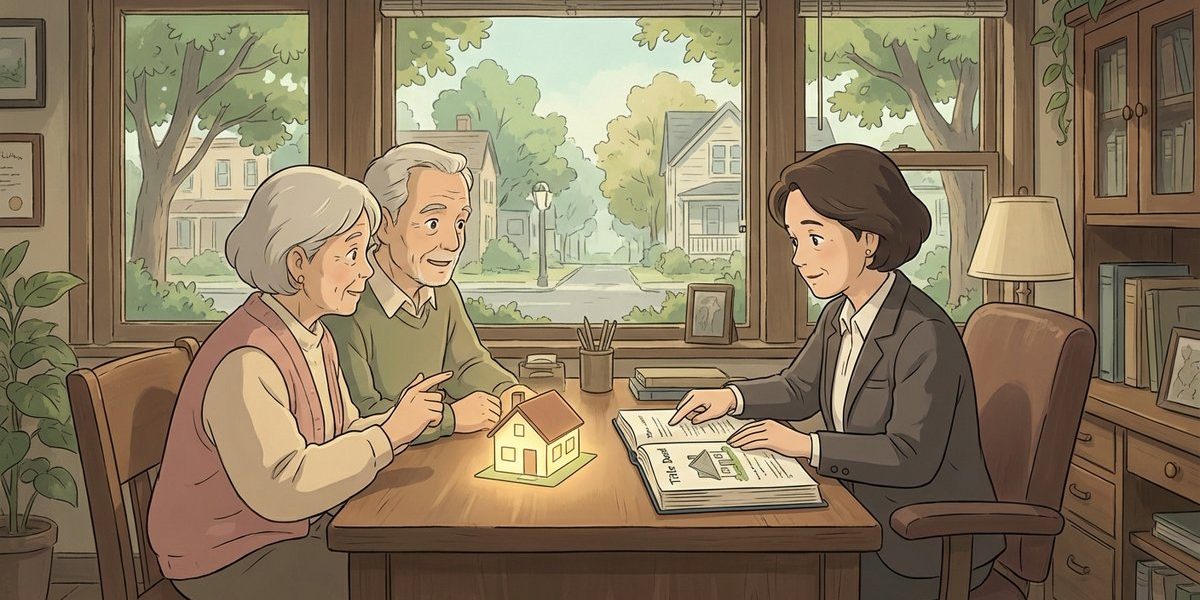
How can I keep the house I’ve lived in and paid for if the deed is in my late relative’s name with no will? – North Carolina
Short Answer
In North Carolina, a house titled only in a deceased person’s name usually passes to that person’s legal heirs under the intestate succession rules, even if someone else lived there and paid the mortgage. To keep the home, the typical path is to (1) identify the legal heirs, (2) open the right estate proceeding with the Clerk of Superior Court (when needed), and (3) transfer title by an estate-approved deed or order. If the person who paid for the home is not a legal heir, the focus often shifts to negotiating with the heirs or pursuing a court claim based on equitable ownership theories, supported by strong payment records.
Understanding the Problem
In North Carolina probate, the key question is whether a person who lived in a deceased relative’s home and paid the mortgage can keep the house when the deed stayed in the deceased relative’s name and no will is known. The decision point is whether North Carolina law treats that person as an heir who automatically receives an ownership share, or instead treats the person as a non-heir who must use another legal route to obtain title. The timing trigger that often matters is how quickly title needs to be cleared for refinancing, selling, or preventing disputes among family members.
Apply the Law
When a North Carolina resident dies without a will, the decedent’s property generally passes under the intestate succession statutes to the decedent’s heirs (such as a surviving spouse, children, or other relatives in the statutory order). Real estate titled solely in the decedent’s name typically vests in the heirs at death, but it can remain clouded in the land records until the proper probate/estate steps are taken to document who the heirs are and to execute a deed or obtain an order that can be recorded. Mortgage payments made by someone other than the titled owner may support reimbursement claims or, in some cases, an equitable claim to ownership, but those issues are fact-specific and often require a court proceeding if the heirs do not agree.
Key Requirements
- Heir status under North Carolina intestacy: The first step is determining whether the person seeking to keep the house is a legal heir under North Carolina’s intestate succession rules (being raised by the decedent, without formal adoption, may not create heirship by itself).
- Clear title through the Clerk of Superior Court process: If title needs to be marketable (for a refinance, sale, or to avoid future disputes), the estate usually needs a documented path to transfer title from the decedent’s name into the appropriate living owner(s).
- Proof supporting any non-heir claim: If the person is not an heir, keeping the home usually depends on agreement with the heirs (for example, a buyout or deed transfer) or a contested claim in court supported by records showing payments, intent, and fairness factors.
What the Statutes Say
- N.C. Gen. Stat. § 29-13 (Intestate succession; descent and distribution) – Provides that an intestate estate descends and is distributed under Chapter 29, subject to administration costs and lawful claims.
- N.C. Gen. Stat. § 29-14 (Share of surviving spouse) – Sets the surviving spouse’s share of real and personal property when there is no will.
- N.C. Gen. Stat. § 30-15 (Year’s allowance; timing and petition) – Gives a surviving spouse a statutory allowance and includes a key deadline: if a personal representative is appointed, the petition generally must be filed within six months after letters issue.
Analysis
Apply the Rule to the Facts: The deed is in the decedent’s name and no will is known, so the home generally follows North Carolina intestate succession to the decedent’s legal heirs. Because the person who lived in the home was raised by the decedent without a formal adoption, heir status is not automatic and must be evaluated under North Carolina’s intestacy rules and family history. The mortgage payoff records are important, but they usually do not change the deed by themselves; they most often support either (1) a negotiated transfer with the heirs or (2) a claim for reimbursement or equitable ownership if the heirs dispute the arrangement.
Process & Timing
- Who files: Typically an heir (or another interested person) starts the estate process. Where: The Clerk of Superior Court (Estates) in the North Carolina county where the decedent lived at death (or where the property is located in some situations). What: An application to open an intestate estate and be appointed administrator (letters of administration), plus the required filings to identify heirs and give notice to creditors. When: As soon as practical, especially if the home needs to be sold, refinanced, insured, or protected from disputes.
- Identify the heirs and the home’s status: The estate process typically involves confirming who the legal heirs are and reviewing the deed, deed of trust, taxes, insurance, and any liens. If the goal is to keep the home, the heirs may agree to sign a deed transferring the property to one person (often as part of a buyout or family settlement), or the administrator may need to participate depending on timing and creditor issues.
- Transfer and record title: Once the correct parties sign the proper instrument (or the Clerk enters an order in an estate proceeding), the final step is recording the deed/order with the Register of Deeds in the county where the land sits so the public record reflects the new owner.
Exceptions & Pitfalls
- Being “raised by” the decedent is not the same as being an heir: Without a formal adoption or another recognized legal basis, the intestacy statutes may not treat the person who paid the mortgage as an heir, even with a long family relationship.
- Payment records help, but they do not automatically transfer title: Mortgage payoff records, canceled checks, and bank statements are valuable evidence, but a deed or court order is still needed to clear title.
- Creditor and timing issues can affect real estate transfers: Transfers by heirs can be vulnerable if the estate has debts or if required probate steps (including notice to creditors) have not been handled correctly, especially early after death.
- Family agreements must match the land records: Informal understandings among relatives often fail later when refinancing, selling, or dealing with a new dispute. A properly drafted and recorded instrument is usually needed.
Conclusion
In North Carolina, when a relative dies with no will and the deed stayed in the decedent’s name, the house usually passes to the decedent’s legal heirs under the intestate succession rules, not automatically to the person who lived there and paid the mortgage. Keeping the home typically requires confirming heirship and then clearing title through the Clerk of Superior Court estate process so a deed or order can be recorded. The most important next step is to file for the proper estate administration with the Clerk of Superior Court so title can be transferred correctly.
Talk to a Probate Attorney
If a loved one died without a will and the deed is still in the decedent’s name even though someone else paid for the home, a probate case plan can make the difference between keeping the property and getting stuck in a title dispute. Our firm has experienced attorneys who can help explain options, paperwork, and timelines. Call us today at (919) 341-7055.
Disclaimer: This article provides general information about North Carolina law based on the single question stated above. It is not legal advice for your specific situation and does not create an attorney-client relationship. Laws, procedures, and local practice can change and may vary by county. If you have a deadline, act promptly and speak with a licensed North Carolina attorney.

