
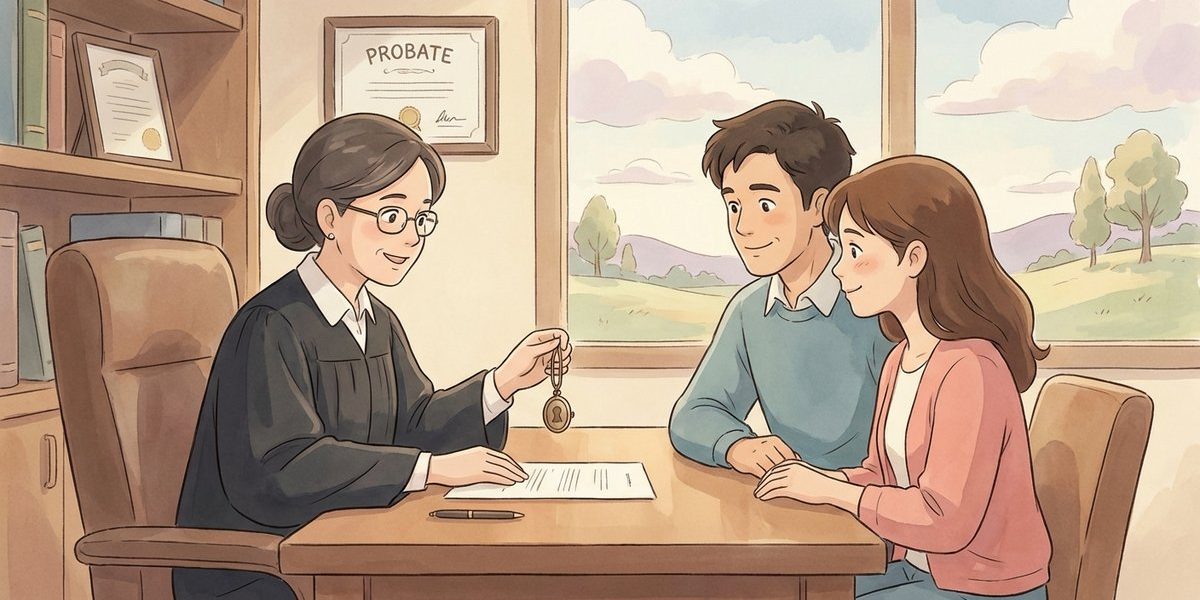
Can I recover specific items like jewelry that my parent intended for me if the surviving spouse already sold some pieces? – North Carolina
Short Answer
Sometimes, yes—but it depends on whether the jewelry was legally part of the estate and whether it can still be identified and traced. In North Carolina, a will generally has to be admitted to probate before it is effective to pass title to personal property, and the clerk of superior court has primary authority over probate administration. If items were sold before the estate was opened or before a personal representative took control, the usual remedies shift from “getting the exact item back” to recovering the item’s value or sale proceeds through an estate proceeding or a civil claim.
Understanding the Problem
In North Carolina probate, the key question is whether a beneficiary can enforce a will’s gift of specific personal property (like jewelry) when the surviving spouse has possession of the property and has already sold some of it. The decision point is whether the jewelry was estate property that should have been preserved for probate administration, as opposed to property the surviving spouse already owned (for example, by joint ownership or by a non-probate transfer). The timing issue that often drives the outcome is whether a probate estate has been opened with the clerk of superior court and whether a personal representative has authority to demand return of estate property.
Apply the Law
North Carolina probate is handled through the clerk of superior court, who has original jurisdiction over probate and estate administration. A will generally must be admitted to probate before it is effective to pass title to real and personal property, which matters when someone is holding or selling items that the will allegedly gives to a beneficiary. When estate property is being withheld or dissipated, North Carolina procedure allows estate-related proceedings to identify, examine, and seek recovery of property believed to belong to the decedent’s estate, and it can also allow a separate civil action in superior court to recover estate property or its value.
Key Requirements
- Proof the jewelry was estate property: The jewelry must have belonged to the decedent at death and not already belonged to the surviving spouse (for example, as the spouse’s separate property or by a valid non-probate transfer).
- Proof of a valid right to the item: The will (once probated) or intestacy rules must show who is entitled to that specific item or to the estate value it represents.
- A proper procedure to recover it: Recovery usually runs through the estate: opening probate, appointing a personal representative, and using estate proceedings (and sometimes a civil lawsuit) to demand return, trace proceeds, or seek a money judgment.
What the Statutes Say
- N.C. Gen. Stat. § 7A-241 (Probate jurisdiction) – Gives the clerk of superior court original jurisdiction over probate and estate administration.
- N.C. Gen. Stat. § 31-39 (Probate needed to pass title) – Explains that a duly probated will is effective to pass title to real and personal property, and sets timing protections for purchasers and creditors.
- N.C. Gen. Stat. § 1-52(4) (Three-year limit for conversion / recovery of chattels) – Sets a three-year limitations period for actions involving taking, detaining, converting, injuring, or specifically recovering goods and chattels.
Analysis
Apply the Rule to the Facts: The facts describe a situation where the surviving spouse controls access to the will, excludes the beneficiary from the residence, and is selling household items and jewelry. If the jewelry belonged to the decedent at death and the will (once admitted to probate) specifically leaves that jewelry to the beneficiary, the jewelry is typically treated as estate property that should be preserved for administration rather than sold. If some pieces are already gone, the practical remedy often becomes recovery of the sale proceeds or a money judgment for the value, rather than return of the exact item—especially if the buyer was a good-faith purchaser and the item cannot be located.
Process & Timing
- Who files: Typically an interested person starts the probate process by taking the will to the clerk of superior court, and then a qualified personal representative is appointed. Where: Clerk of Superior Court in the county with proper venue for the estate. What: File the will for probate and apply for letters (the clerk’s office provides the local forms/process). When: As soon as possible after death, especially if property is being sold or removed.
- Secure authority and information: Once appointed, the personal representative can demand information about estate assets and can use estate procedures to require a person believed to possess estate property to be examined and to demand recovery. This is often the fastest way to create a court-supervised record of what existed, what was sold, and where proceeds went.
- Recover property or value: If the jewelry is still identifiable and recoverable, the estate may pursue return. If it has been sold and cannot be recovered, the estate may pursue the proceeds or a money judgment. In some situations, a separate civil action in superior court is used to recover estate property or damages, and timing can matter because claims involving conversion of personal property often have a three-year limitations period.
Exceptions & Pitfalls
- The jewelry may not be estate property: Some items may have been the surviving spouse’s separate property, gifted during life, or otherwise not owned by the decedent at death. In that case, the will cannot give it away, even if it “intended” to.
- Non-probate ownership can override the will: If an item was not solely owned by the decedent at death (or was transferred outside probate), the will may not control it. Establishing ownership is often the first fight.
- Waiting to open probate: Without a personal representative, it is harder to compel records, stop sales, or demand return. Early probate filing can create a clear authority figure to act for the estate.
- Proof problems after a sale: Once jewelry is sold, recovery often depends on documentation—photos, appraisals, insurance schedules, text messages, receipts, pawn tickets, marketplace listings, or witness statements. Lack of proof can turn a strong legal theory into a weak practical case.
- Buyer issues: Even if the sale was improper, recovering the exact item from a later buyer can be difficult. Many cases focus on tracing proceeds and seeking repayment instead.
For additional background on stopping pre-probate sales and preserving estate property, see what happens if the surviving spouse starts selling property before or without probate.
Conclusion
In North Carolina, a beneficiary can sometimes recover jewelry a parent intended to leave under a will, but the will generally must be admitted to probate and the jewelry must be shown to have been the decedent’s property at death. If the surviving spouse already sold pieces, the remedy often shifts to recovering sale proceeds or the item’s value through an estate proceeding or a civil claim. The most important next step is to file the will and open the estate with the Clerk of Superior Court as soon as possible so a personal representative can act.
Talk to a Probate Attorney
If a surviving spouse is selling household items or jewelry and blocking access to the will or the home, a probate attorney can help clarify what is estate property, open the proper proceeding with the clerk of superior court, and pursue recovery of items or proceeds. Call us today at (919) 341-7055.
Disclaimer: This article provides general information about North Carolina law based on the single question stated above. It is not legal advice for your specific situation and does not create an attorney-client relationship. Laws, procedures, and local practice can change and may vary by county. If you have a deadline, act promptly and speak with a licensed North Carolina attorney.

