
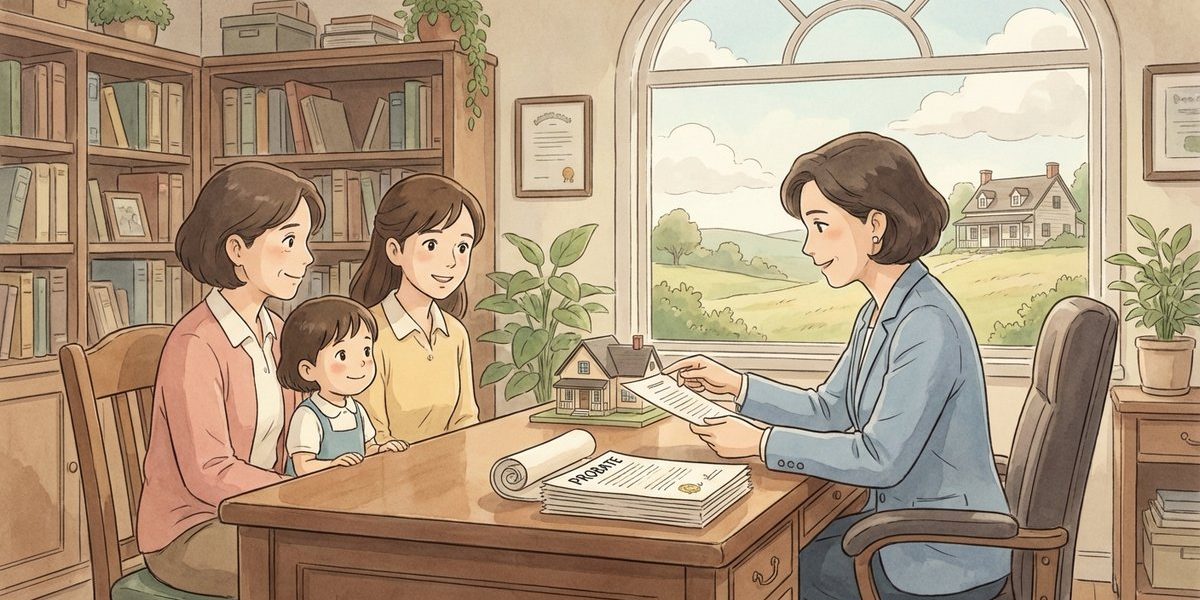
How do we transfer the deed to inherited houses when the parent died without a will and nothing has been filed? – North Carolina
Short Answer
In North Carolina, a deed usually cannot be “transferred” out of a deceased parent’s name just because the family agrees. When someone dies without a will, the houses generally pass to the legal heirs under North Carolina intestate succession rules, but clearing title for a refinance, sale, or DMV-related issues often requires opening an estate with the Clerk of Superior Court and appointing an administrator.
When an heir has died and left minor children, the minor-heir interest often adds a court-supervised step before any deed transfer or sale can be completed.
Understanding the Problem
When a parent dies in North Carolina without a will and leaves real estate titled in the parent’s name, can the surviving spouse and children transfer the deed into living family members’ names without opening an estate, especially when one heir died soon after and left minor children?
Apply the Law
Under North Carolina law, when a person dies without a will (intestate), the person’s property passes to heirs as set out by statute, subject to estate administration costs and valid debts. For real estate, that usually means the surviving spouse and children (or the descendants of a deceased child) become the owners as “heirs,” but the public land records still show the deceased parent as the titled owner until the family completes the right probate and recording steps. If an heir is a minor (or minors inherit through a deceased child), extra protections apply and a simple family-signed deed is often not enough to create marketable title for a buyer or lender.
Key Requirements
- Identify the legal heirs: Determine who inherits under North Carolina intestate succession (often the surviving spouse plus children, including the children of any child who died).
- Clear authority to sign and convey: Either all owners with capacity must sign, or a court-appointed fiduciary (such as an estate administrator and, for minors, a properly authorized representative) must sign in a way that binds the minor’s interest.
- Address debts and claims that affect title: Mortgages, estate expenses, and creditor issues can affect whether the property can be transferred or sold cleanly, and whether an estate needs to be opened to publish notice to creditors and document authority.
What the Statutes Say
- N.C. Gen. Stat. § 29-13 (Intestate succession; general rule) – Provides that an intestate estate passes to heirs, subject to administration costs and lawful claims.
- N.C. Gen. Stat. § 29-14 (Surviving spouse’s share) – Sets the surviving spouse’s share of real and personal property when there is no will.
Analysis
Apply the Rule to the Facts: Here, the parent died intestate owning two houses (one with a mortgage) and a vehicle, and nothing has been filed. Even if the surviving spouse and children have been living in the properties, title issues remain because the land records still show the parent as owner, and a lender, buyer, or title company typically requires documented heirship and proper signing authority. Because one child died shortly after the parent and left minor children, those minors likely step into that child’s inheritance share, which can prevent a clean deed transfer or sale without additional court involvement to protect the minors’ interests.
Process & Timing
- Who files: Usually a family member (often the surviving spouse or an adult child) seeks appointment as administrator. Where: The Estates Division of the Clerk of Superior Court in the county where the decedent lived at death. What: An estate opening/qualification package to be appointed administrator (often called “letters of administration” once issued). When: As soon as practical, especially if a vehicle must be titled, a mortgage must be dealt with, or a sale/refinance is planned.
- Next step: The administrator gathers asset information, addresses required notices and claims procedures, and confirms the heirs and their shares. If the family needs to sell or refinance, the administrator and/or heirs coordinate with a closing attorney and the Register of Deeds for proper deed preparation and recording. If minor heirs are involved, an additional court-supervised step is often required before a minor’s interest can be conveyed or sale proceeds can be handled.
- Final step: After debts/expenses and required steps are handled, the estate is closed through filings with the Clerk. For real estate, the “end result” is typically a recordable chain of documents (estate filings and/or deeds) that allows future transfers and financing without the deceased owner remaining in the chain of title.
Exceptions & Pitfalls
- Minor-heir ownership interests: When a deceased child’s share passes to minor children, a deed signed only by adult family members usually cannot convey the minors’ interest. A court-approved process is often needed before any transfer or sale can safely proceed.
- “Nothing filed” creates practical roadblocks: Even if heirs legally inherit, banks, title insurers, and DMV offices often require formal documentation (estate appointment and certified records) before they will recognize authority to transfer or access property.
- Mortgage and creditor issues: A house with a mortgage can be kept, refinanced, or sold, but unpaid debts and unclear authority can stop a closing. Estate administration is often the cleanest way to document who can act and how proceeds get handled.
Conclusion
In North Carolina, transferring the deed to inherited houses after a parent dies without a will usually requires confirming the heirs under intestate succession and creating clear signing authority that a buyer, lender, and the land records will accept. When nothing has been filed, the most reliable next step is to open an estate with the Clerk of Superior Court and have an administrator appointed, especially when a deceased child left minor children whose inherited share must be protected through a court-supervised process.
Talk to a Probate Attorney
If a family is dealing with inherited houses still titled in a deceased parent’s name (especially with a mortgage, a vehicle title problem, or minor heirs), our firm has experienced attorneys who can help explain the probate steps, paperwork, and timelines. Call us today at (919) 341-7055.
Disclaimer: This article provides general information about North Carolina law based on the single question stated above. It is not legal advice for your specific situation and does not create an attorney-client relationship. Laws, procedures, and local practice can change and may vary by county. If you have a deadline, act promptly and speak with a licensed North Carolina attorney.

