
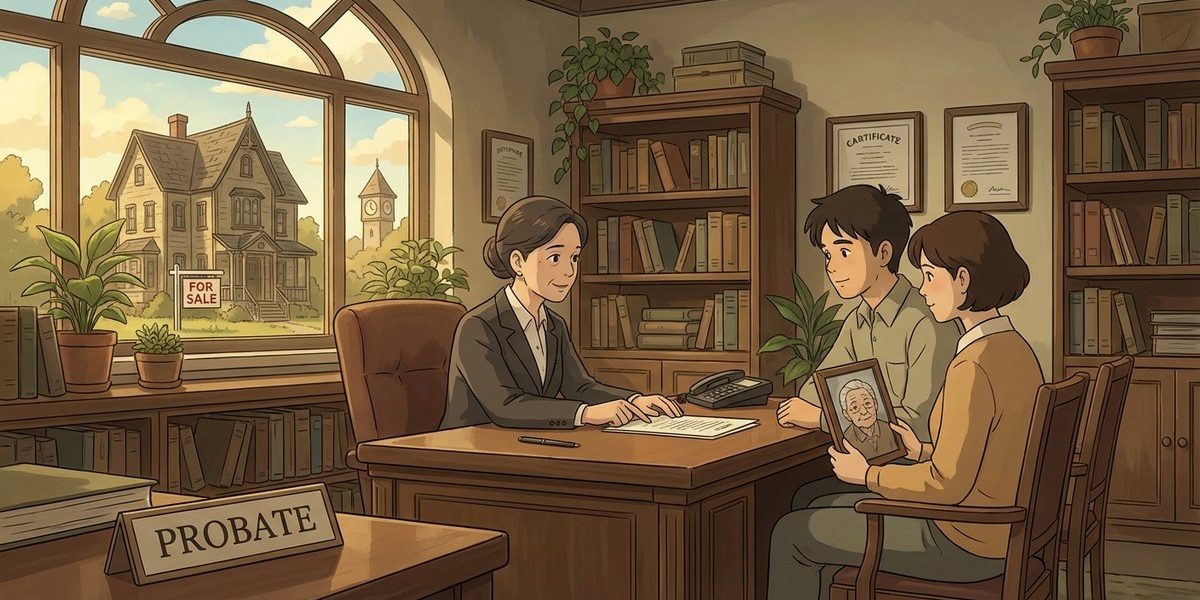
How can I stop a foreclosure auction on a deceased parent’s home if probate isn’t opened yet? – North Carolina
Short Answer
In North Carolina, the fastest way to stop (or at least pause) a foreclosure auction on a deceased parent’s home is usually to (1) open an estate and get someone appointed by the Clerk of Superior Court, and (2) immediately notify the foreclosure attorney/trustee and request a postponement while the estate gets authority to act. If the sale is too close or the lender will not pause voluntarily, the next step may be seeking a court order to enjoin the sale, which can require a bond. Paying the loan in full (or reinstating, if the lender allows it) before the sale becomes final can also stop the foreclosure.
Understanding the Problem
In North Carolina, can an heir stop a foreclosure auction when the mortgage and title are still in a deceased parent’s name and no probate estate has been opened yet? The practical issue is that the lender and the foreclosure trustee usually will not accept instructions from an heir until the Clerk of Superior Court appoints a personal representative (an administrator in an intestate estate). The timing trigger is the scheduled foreclosure sale date, because once the sale occurs, the options narrow quickly and become deadline-driven.
Apply the Law
North Carolina foreclosures commonly proceed as a “power of sale” foreclosure under a deed of trust, with a sale conducted by a trustee/foreclosure attorney and overseen procedurally through the Clerk of Superior Court. A death does not automatically stop foreclosure. However, a properly appointed personal representative can step into the decedent’s shoes to communicate, request payoff figures, negotiate, and (when appropriate) sell or otherwise handle estate property. Separately, North Carolina law allows postponement of a scheduled foreclosure sale for “good cause,” and it also allows a judge to enjoin (stop) a sale on legal or equitable grounds if the requirements are met.
Key Requirements
- Estate authority: Someone must be appointed by the Clerk of Superior Court (administrator when there is no will) so there is clear legal authority to act for the deceased owner’s estate.
- Immediate communication with the foreclosure trustee/attorney: The foreclosure file typically needs proof of death and proof that an estate is being opened (and then Letters of Administration) so the trustee can consider a postponement or other pause.
- A valid “stop” mechanism before the sale becomes final: This is usually (a) a voluntary postponement, (b) payment/tender of the debt and foreclosure expenses, or (c) a court order enjoining the sale.
What the Statutes Say
- N.C. Gen. Stat. § 7A-241 (Probate jurisdiction) – gives the Clerk of Superior Court authority over probate and estate administration.
- N.C. Gen. Stat. § 45-21.21 (Postponement of foreclosure sale) – allows the person exercising the power of sale to postpone a scheduled sale for certain reasons, including “other good cause,” with required notice steps.
- N.C. Gen. Stat. § 45-21.20 (Paying the debt before the sale becomes final) – provides that paying/tendering the secured obligation and sale expenses can terminate the power of sale before completion (including during the upset-bid period).
- N.C. Gen. Stat. § 45-21.34 (Enjoining a mortgage sale) – allows an owner or other person with a legal/equitable interest to ask a Superior Court judge to enjoin a sale on legal or equitable grounds, typically with a bond requirement.
- N.C. Gen. Stat. § 1-339.25 (Upset bids; 10-day periods) – explains the upset-bid process and the 10-day window(s) after a sale report is filed.
Analysis
Apply the Rule to the Facts: Here, the mortgage and title remain in the deceased parent’s name, and probate has not been opened, so the lender and foreclosure trustee are signaling they need a court-appointed decision-maker. The notarized sibling statement may help show family agreement, but it usually does not substitute for (1) appointment by the Clerk of Superior Court and (2) a properly drafted and recorded deed if the goal is to transfer title. Because an auction date is pending, the most time-sensitive move is getting an estate opened and requesting a postponement immediately; if that fails, the next “hard stop” is pursuing an injunction or paying/tendering the amounts required under the foreclosure statutes before the sale becomes final.
Process & Timing
- Who files: An heir (often the person who will serve as administrator). Where: The Clerk of Superior Court (Estates Division) in the county where the decedent lived at death (and sometimes additional filings where the land is located). What: An application to open an intestate estate and be appointed administrator, so the clerk can issue Letters of Administration. When: As soon as the foreclosure sale is noticed; if the sale is within days, filing the same day is often necessary.
- Notify the foreclosure trustee/attorney right away: Provide a death certificate (or other acceptable proof of death), the estate file number once opened, and then the Letters of Administration as soon as issued. Ask in writing for a postponement under the power-of-sale process while the estate gets authority to evaluate payoff, reinstatement options, or a sale of the property.
- If the trustee will not postpone: Evaluate emergency options. One option is seeking a Superior Court order to enjoin the sale (which can require a bond). Another is paying/tendering the payoff and foreclosure expenses before the sale becomes final, which can stop the power of sale under North Carolina law.
Exceptions & Pitfalls
- “Family paperwork” is not the same as title transfer: A notarized statement from siblings may show intent, but it usually does not change record title or satisfy a lender’s requirement for a court-appointed estate representative. A deed (properly drafted and recorded) is typically needed for a transfer, and timing can matter if creditors are involved.
- Waiting to open probate: Delay often removes leverage. Without Letters of Administration, it can be hard to get payoff figures, negotiate, list the property for sale, or sign documents the lender will accept.
- Assuming a separate building must be moved before the auction: Whether a structure is part of the real property being foreclosed (a “fixture”) or separate personal property can be fact-specific and title-dependent. If the building is treated as part of the real estate, it generally goes with the land at foreclosure; if it is truly personal property, different rules may apply. This issue should be reviewed quickly because it can affect bidding, insurance, and negotiations with the lender and family members.
- Injunction bond risk: Stopping a sale through court can require a bond or deposit, and the court can set conditions. That makes early negotiation and postponement requests important when time is short.
Conclusion
In North Carolina, stopping a foreclosure auction on a deceased parent’s home usually requires fast action to create legal authority: open the intestate estate with the Clerk of Superior Court and obtain Letters of Administration, then immediately ask the foreclosure trustee/attorney to postpone the sale while the estate evaluates payoff or other options. If a voluntary postponement is not granted, the remaining options are typically a court order enjoining the sale (often with a bond requirement) or paying/tendering the required amounts before the sale becomes final.
Talk to a Probate Attorney
If a foreclosure sale is scheduled on a deceased parent’s home and probate has not been opened, our firm has experienced attorneys who can help clarify who has authority to act, what can be filed with the Clerk of Superior Court, and what timelines matter before and after the sale. Call us today at (919) 341-7055.
Disclaimer: This article provides general information about North Carolina law based on the single question stated above. It is not legal advice for your specific situation and does not create an attorney-client relationship. Laws, procedures, and local practice can change and may vary by county. If you have a deadline, act promptly and speak with a licensed North Carolina attorney.

